
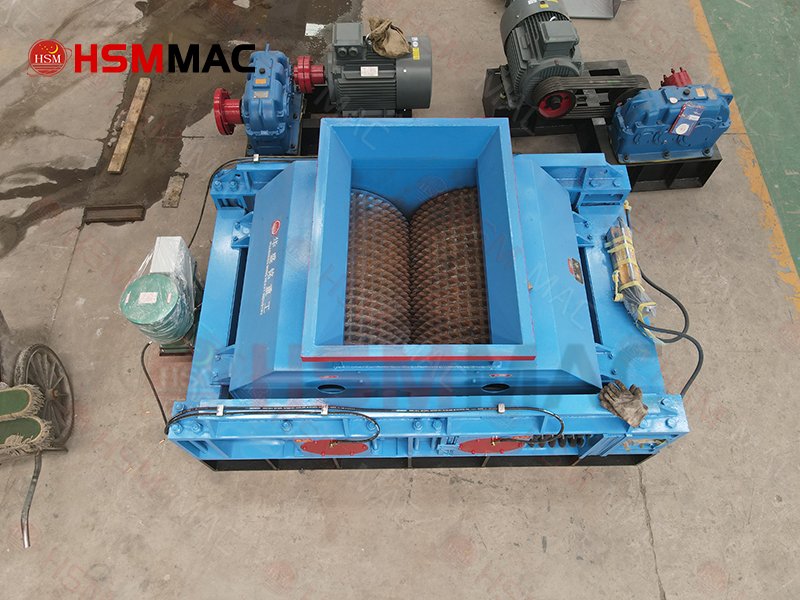

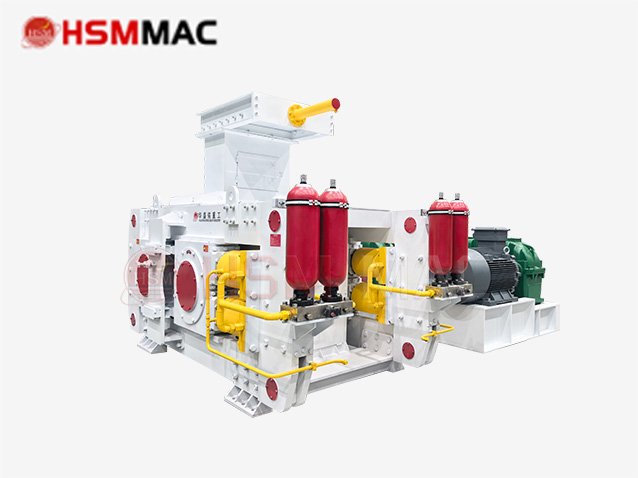
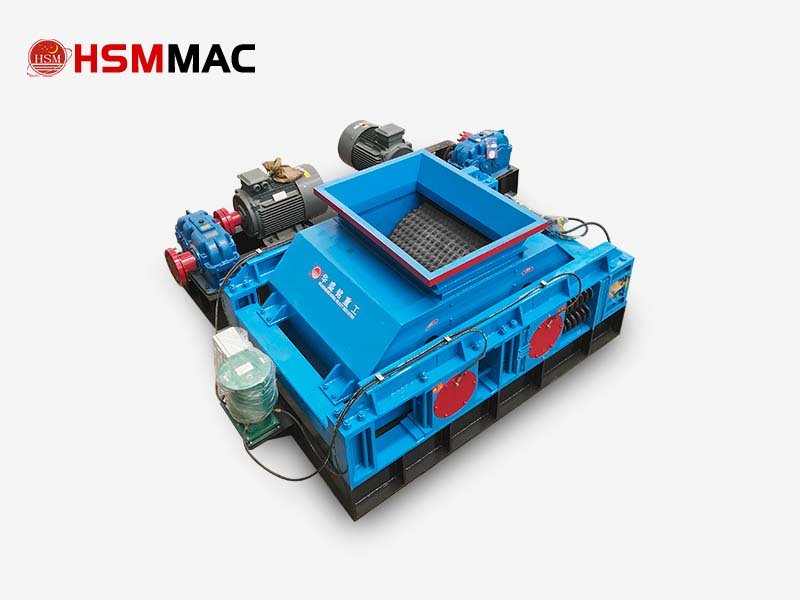
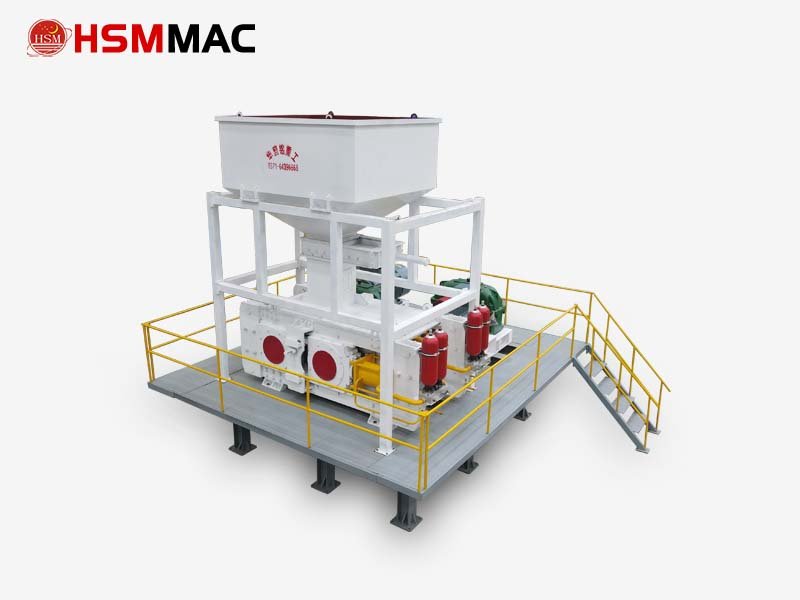
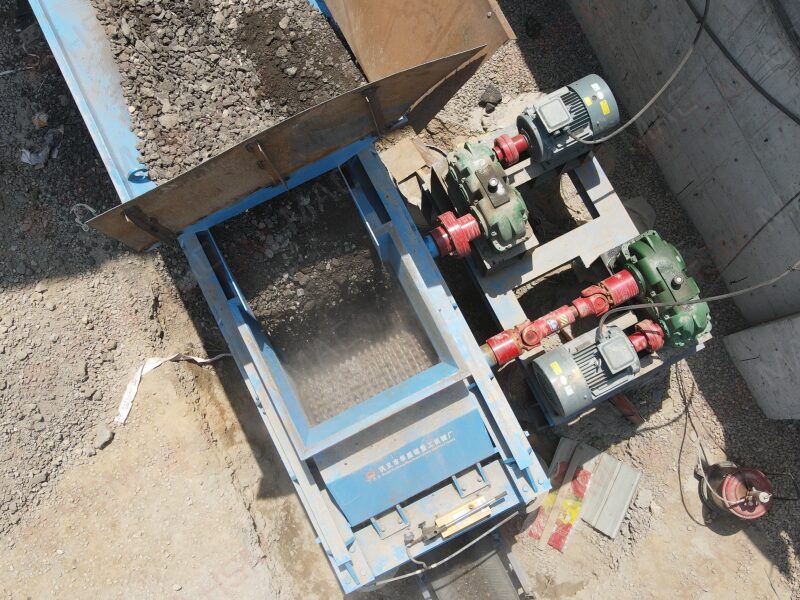

Intelligent Power: HSM Redefines Large-Scale Crushing with Hydraulic Double Roller Technology
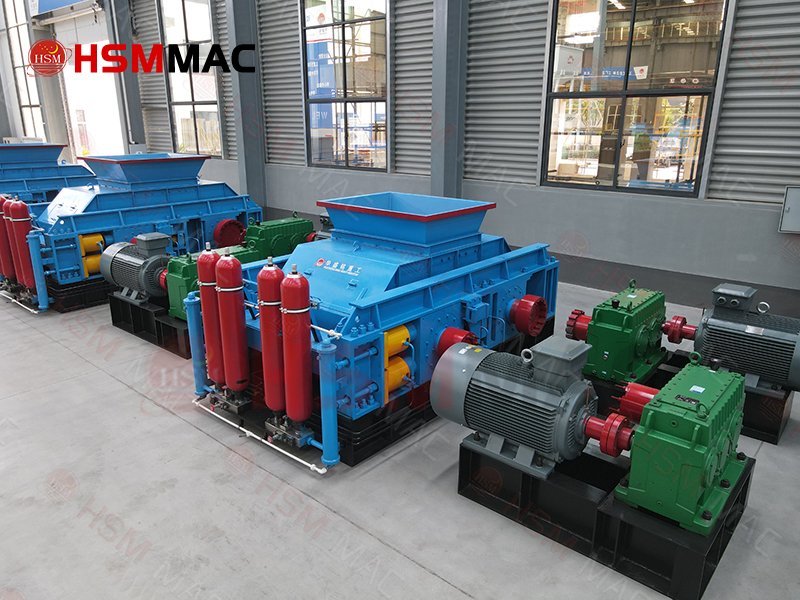
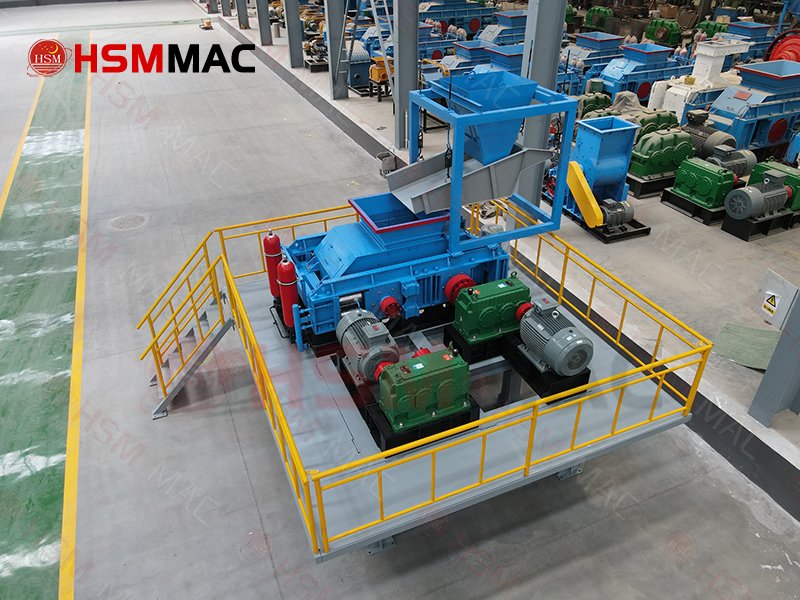
2026-05-04Industry Innovation Intelligent Power: HSM Redefines Large-Scale Crushing with Hydraulic Double Roller Technology Combining electromechanical-hydraulic integration for maximum energy savings and output. As the demand for high-quality manufactured sand and efficient ore processing grows, the HSM Hydraulic Double Roller Crusher has emerged as the industry benchmark for intelligence and durability. Designed for hard material processing, this machine integrates advanced hydraulic systems to ensure stable, cost-effective operations in the toughest environments. Smart Protection Meets High Output 30% Higher Production, 20% Lower Energy Compared to traditional crushing methods, HSM’s hydraulic roller technology significantly reduces power consumption while boosting total throughput, providing an immediate boost to plant ROI. Intelligent Hydraulic Safeguards The automated retreat-and-reset system protects the rollers from unshreddable foreign objects, preventing costly downtime and ensuring 24/7 continuous production for mining and metallurgy. Upgrade to Intelligent Crushing HSM offers a full range of hydraulic double roller models to match your specific capacity needs. Contact us to optimize your production line. Consult an HSM Expert © 2026 HSM Heavy Industry | Leader in Intelligent Hydraulic Crushing Solutions
-
Precision Screening: The Essential Role of Trommel Screens in Modern Recycling
2026-05-03Industry Insight 2026 Precision Screening: The Essential Role of Trommel Screens in Modern Recycling Discover how rotary drum technology is optimizing material separation across mining and waste management. As global industries push for higher purity in material separation, the HSM Trommel Screen has become a cornerstone for efficient processing. Whether it’s sorting municipal solid waste or classifying gold ore, this robust mechanical machine offers a level of versatility that traditional vibrating screens struggle to match. Overcoming the Challenge of “Difficult” Materials Anti-Clogging & Self-Cleaning Wet, sticky, or irregular materials often cause blockages. The rotary action of the trommel ensures constant tumbling, naturally dislodging particles that would typically clog a flat screen. Low Operational Costs With lower power consumption and fewer moving parts compared to vibrating alternatives, the Trommel Screen provides a significantly more energy-efficient and low-maintenance solution for bulk screening. Optimize Your Screening Process Today HSM offers custom-engineered rotary screens tailored to your material type and site capacity. Contact us for professional support. Request a Quote © 2026 HSM Heavy Industry | Specialist in Industrial Screening & Separation
-
No Electricity? No Problem: HSM’s Diesel Portable Hammer Crusher Dominates Remote Sites
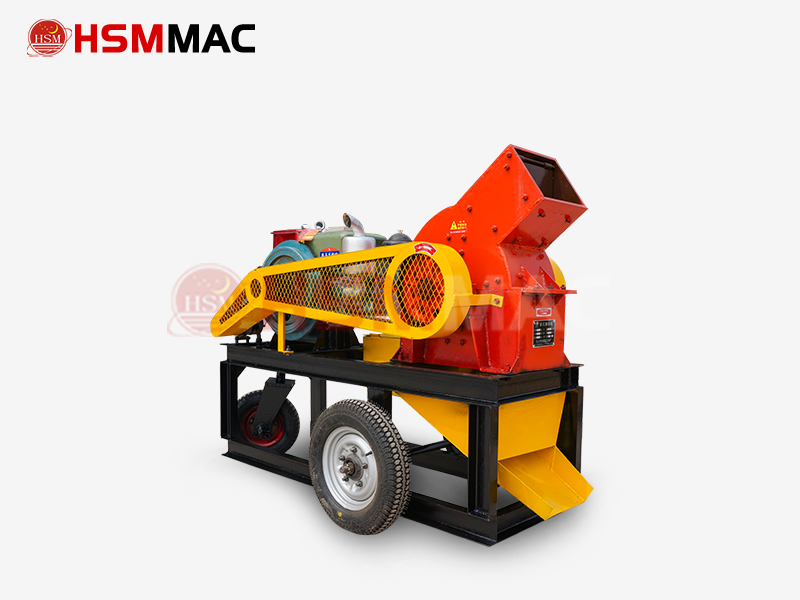
2026-04-29Field-Ready Solutions No Electricity? No Problem: HSM’s Diesel Portable Hammer Crusher Dominates Remote Sites Unlocking productivity in off-grid mining and infrastructure projects worldwide. For many small-scale mining operations and rural infrastructure projects, the lack of a stable power grid is the biggest obstacle to expansion. HSM Heavy Industry has addressed this challenge head-on with its Diesel Portable Hammer Crusher, a self-contained unit that brings industrial-strength crushing power to any location reachable by a tow vehicle. Why the Diesel Portable Series is a Game-Changer 01. Total Energy Independence Equipped with a high-torque diesel engine, this crusher requires zero external electrical input. It is the perfect solution for “start-and-work” operations in mountains, deserts, or remote quarries. 02. Rapid Deployment & Mobility Featuring a heavy-duty chassis and industrial tires, the unit can be easily towed across rugged terrain. Its compact design allows for quick setup, meaning you can start crushing within minutes of arriving at the site. Versatile Performance for Brittle Materials This diesel-powered workhorse is optimized for processing materials with hardness up to 300MPa, including: ✔ Limestone & Gypsum: For cement and building material production. ✔ Coal & Slag: Ideal for energy and metallurgical pretreatment. ✔ Construction Waste: Mobile recycling of bricks…
-
Double Stage Crusher
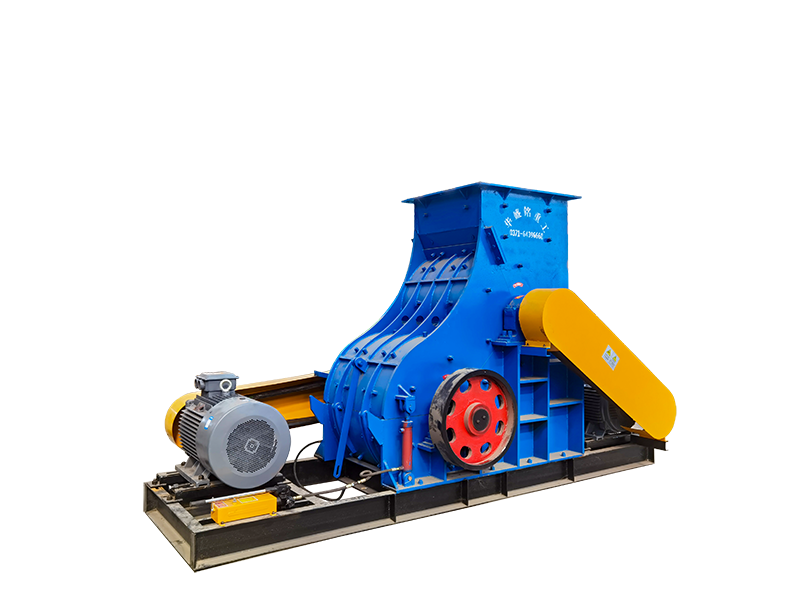
2026-04-28Tech Innovation 2026 Solving the Clogging Nightmare: The Power of HSM’s Screenless Double Stage Crusher How dual-rotor technology ensures 100% smooth production even with high-moisture materials. For many brick factories and power plants, processing wet coal gangue, shale, or slag during the rainy season is a production bottleneck. Traditional crushers with screen bottoms often suffer from severe clogging, leading to frequent shutdowns. HSM’s Double Stage Crusher has emerged as the ultimate solution, fundamentally changing how moisture-rich materials are handled. The Secret Behind Non-Clogging Performance 01. Screenless Design (No Sieve Bottom) By removing the traditional sieve bottom, the material falls through as soon as it reaches the target size. This allows for continuous operation even when the moisture content exceeds 10%, effectively eliminating “pasting” and blocking. 02. Dual-Rotor Relay Crushing Equivalant to having two hammer crushers in one, the upper and lower rotors work in series. The first rotor performs coarse crushing, while the second completes the fine crushing. The result? 80% of discharge particles are below 3mm. Wide Material Adaptability The HSM Double Stage Crusher is engineered to thrive in harsh environments, making it ideal for: ✔ Coal & Coal Gangue: For brick making and power generation. ✔ Shale &…
-
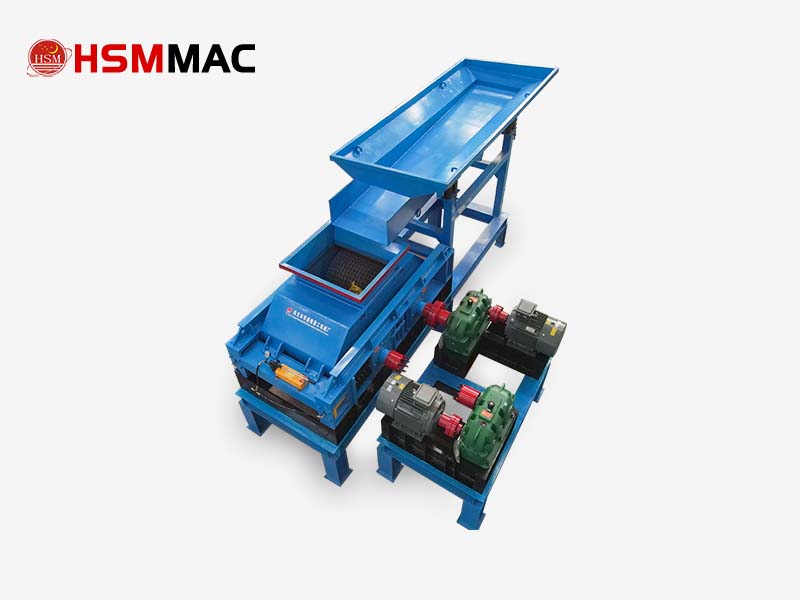
High-Efficiency Crushing: The Rise of Intelligent Hydraulic Double Roller Crushers
2026-04-26Industry News High-Efficiency Crushing: The Rise of Intelligent Hydraulic Double Roller Crushers Discover how modern hydraulic control is saving 30% energy in large-scale mining operations. In the rapidly evolving sectors of mining and infrastructure, the demand for high-capacity yet energy-efficient equipment has never been higher. The Large Hydraulic Double Roller Crusher has set a new benchmark, integrating advanced electromechanical-hydraulic technology to handle the toughest materials with precision. Why Industries are Switching to Hydraulic Control 1. Intelligent Protection Unlike traditional models, the hydraulic system allows the rollers to automatically retreat and reset when encountering unbreakable foreign objects, preventing costly downtime and machinery damage. 2. Significant Energy Savings Field data shows that HSM’s hydraulic series saves 20%-30% energy while increasing total output by up to 40% compared to legacy crushing equipment. Whether it’s iron ore processing in mining or solid waste recycling for environmental protection, this machine provides a cubic finished product with low needle-flake content, meeting the most stringent international gradation requirements. Ready to Upgrade Your Production Line? Contact our engineers today to find the perfect model for your specific material requirements. Get a Free Quote © 2026 HSM Heavy Industry | Leader in Intelligent Crushing Technology
-
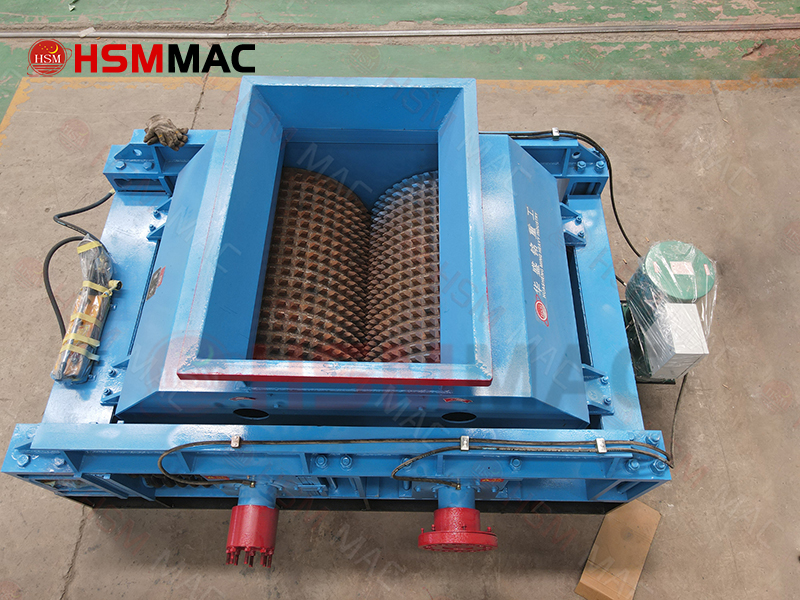
Next-Gen Hydraulic Double Toothed Roller Crusher: Redefining Precision in Mining
2026-04-25INDUSTRIAL TECH Next-Gen Hydraulic Double Toothed Roller Crusher: Redefining Precision in Mining Integrating intelligent hydraulic control for 24/7 stable heavy-duty operations. The latest Hydraulic Double Toothed Roller Crusher from HSM represents a leap in crushing intelligence. Featuring two counter-rotating toothed rollers and a high-torque design, it excels in processing medium-hard to hard materials with unmatched stability. The core innovation lies in its real-time hydraulic adjustment, allowing operators to fine-tune particle sizes without stopping production. Smart Protection Systems Equipped with an automatic overload protection system, the machine instantly senses unbreakable objects and retracts the movable roller to clear obstacles, ensuring maximum safety for global mining and metallurgical sectors. Explore Tech Specs
-
Integrated Two-Stage Crushing: The Four Roller Crusher Revolutionizing Coal & Mining
2026-04-24Industrial Innovation Integrated Two-Stage Crushing: The Four Roller Crusher Revolutionizing Coal & Mining Eliminating clogging issues with a unique screen-less design and multi-purpose operation. The Four Roller Crusher has emerged as a powerhouse for industrial medium and fine crushing. By integrating two crushing stages into a single unit, it simplifies production lines, reduces labor costs, and fundamentally solves the clogging issues common with wet and viscous materials (up to 30% moisture content). Key Industrial Advantages 01. Two-Stage Crushing, One-Time Forming With upper rollers for coarse crushing and lower rollers for fine crushing, this machine delivers an adjustable output from 0.01mm to 10mm without additional screening equipment. 02. Screen-less Anti-Clogging Design Specifically engineered for the coal and building materials industries, it allows for continuous production even in rainy seasons when processing wet coal gangue or limestone. 03. High Wear Resistance Roller surfaces utilize high-chromium manganese steel alloy, supporting on-site surfacing repair to extend service life and drastically reduce spare parts expenditure. Technical Specifications Model Feed Size (mm) Capacity (t/h) Power (KW) 4PG0806PT < 40 8 – 90 30 – 37 4PG1210PT(Y) < 80 30 – 220 75 – 90 Boost Your Efficiency Today Contact HSM engineers to obtain a personalized customized…

Revolutionizing Mining Efficiency: High Pressure Grinding Rolls (HPGR) for Sustainable Production
2026-04-23Energy-Saving Solutions Revolutionizing Mining Efficiency: High Pressure Grinding Rolls (HPGR) for Sustainable Production 30-45% energy reduction and ultra-high efficiency for global mineral processing. The High Pressure Grinding Roll (HPGR) has emerged as the ideal equipment for enterprises pursuing energy-saving and high-efficiency crushing. Widely applied in the global mining, aggregates, and cement industries, it delivers a more significant energy-saving effect compared to traditional crushing equipment, ensuring stable performance and easy operation for large-scale continuous production. Core Competitive Advantages 01. Significant Energy Savings Compared with traditional crushing equipment, the HPGR can save 30-45% of energy, effectively reducing daily operation costs and helping enterprises achieve green energy goals. 02. Superior Product Quality The crushed products feature uniform particle size and high cubical particle content, with a finished product yield increased to 85% and powder content controlled within 5%. 03. Low Maintenance & High Utilization Utilizing high-strength centrifugal casting rollers, the liners maintain stable operation even at 1cm thickness, achieving a 90% utilization rate without additional grinding media. Technical Parameters Product Model Roller Diameter × Width (mm) Processing Capacity (t/h) Motor Power (KW) G8030 800 × 300 60 – 90 90KW × 2 G1060 1000 × 600 130 – 150 160KW × 2 G1280…
-
What Materials Can a Four-Roll Crusher Handle? A Comprehensive Guide
2026-04-22The Four-Roll Crusher is a versatile fine-crushing powerhouse, ideal for materials with compressive strength below 300MPa and moisture content up to 30%. Ores & Construction Materials: Suitable for limestone, calcite, feldspar, quartz, river pebbles, and medium-hardness granite, as well as gypsum and quicklime. Energy & Industrial Waste: A top choice for coal, coke, and coal gangue. It effectively processes steel slag, clinker, and C&D waste (bricks/concrete). Chemicals & Specialty Scenarios: Handles fertilizers, salt, and ceramic raw materials. Due to its screen-free design and hydraulic protection, it excels with high-moisture sticky materials (like clay) and materials containing tramp metal. Limitations: Not suitable for ultra-hard rocks (>300MPa), high-toughness materials (fiber/plastic), mud, or explosive substances. Summary: For mineral, metallurgical, and recycling industries, the four-roll crusher is a stable, energy-efficient “all-rounder” for any material meeting its basic hardness and moisture requirements.
-
Maximize RAP Value: Double-Roll Crusher for High Lump Rate and Low Fines
2026-04-21In Reclaimed Asphalt Pavement (RAP) recycling, traditional hammer crushers often produce excessive dust due to high-speed impact, slashing material value. The Double-Roll Crusher provides a controlled solution using “low-speed shearing and extrusion”: High Lump Rate & Low Fines: Operating at 30–80 RPM, the rollers peel the binder from the aggregate rather than smashing the stone. This achieves a lump rate (>5mm) of over 85%, while keeping fines (<0.075mm) below 10%, strictly meeting thermal recycling standards. Stable Grading & Price Premium: Regular particle shapes and smooth grading curves ensure consistent mix performance. Case studies show that switching to roll crushing can double the selling price of RAP, significantly boosting annual revenue. Specialized Configuration: “Wolf-teeth” rollers are available for hard asphalt, while scrapers handle high-moisture materials to prevent buildup. Summary: Crushing is about “shaping and value preservation.” By minimizing powder at the source, the double-roll crusher transforms waste asphalt into a high-profit resource.
Hydraulic Double-Roll Sand Maker: Saving 30% Energy and Doubling Output
2026-04-20In the aggregate industry, high electricity bills often erode profit margins. Traditional impact or hammer crushers rely on high-speed kinetic energy, leading to significant power waste and frequent clogging. The Hydraulic Double-Roll Sand Maker has become the ultimate solution for cost-conscious owners: 30%-50% Energy Savings: Unlike the “high-speed impact” method, the roll crusher uses low-speed, counter-rotating rollers to “squeeze” stone under immense static hydraulic pressure. This inter-particle crushing maximizes energy efficiency and slashes the power cost per ton of sand. Doubled Output: With a high-throughput design, the machine handles wet or fine materials without clogging. Its continuous extrusion mode allows for a processing capacity 1.5 to 2 times higher than traditional equipment of the same power rating. Comprehensive Profitability: By significantly reducing utility bills and boosting production, the equipment drastically shortens the ROI period. Summary: In an era of thin margins, the hydraulic double-roll crusher empowers sand plants to ditch the burden of high energy costs and enter a high-output, high-profit fast track.
-
High-Pressure Grinding Rolls (HPGR): The Definitive Solution for Manganese Ore Beneficiation
2026-04-19When processing manganese iron ore characterized by extreme hardness and high abrasivity, traditional crushing equipment often suffers from frequent wear-part failure, excessive energy consumption, and inconsistent output. The High-Pressure Grinding Roll (HPGR) has emerged as a high-efficiency tool for mineral processing plants, offering several core advantages: Superior Wear Resistance & Low Maintenance: The roller surfaces are engineered from high-chromium manganese steel infused with rare metals or reinforced with tungsten carbide studs, extending service life to several thousand hours. Compared to conventional equipment, spare part consumption is reduced by approximately 70%, drastically cutting downtime and maintenance overhead. “More Crushing, Less Grinding” for Enhanced Efficiency: Utilizing the inter-particle crushing principle, the HPGR induces micro-cracks within the ore during the crushing stage. Field data indicates that unit energy consumption can be reduced from 18 kWh/t to 12 kWh/t (a 33% energy saving), while simultaneously boosting ball mill throughput by 18%–22%. Uniform Output & Higher Recovery: The finished product features a highly consistent, cubical particle size distribution with minimal over-crushing. This ensures a stable load for downstream ball mills and can even lead to a measurable increase in metal recovery rates. Summary: By delivering significantly lower energy consumption and reduced maintenance requirements, the HPGR…
 +86-13838144666
 +86-13838144666