Jaw and cone crushers often take center stage in crushing equipment, but the roller crusher is an unsung hero in many industries. Compact yet powerful, it’s indispensable in material processing across mining, construction, chemistry, and agriculture. Below, we’ll break down its working principle, key advantages, applications, and selection tips.
1. What Is a Roller Crusher & How Does It Work?

Working Principle
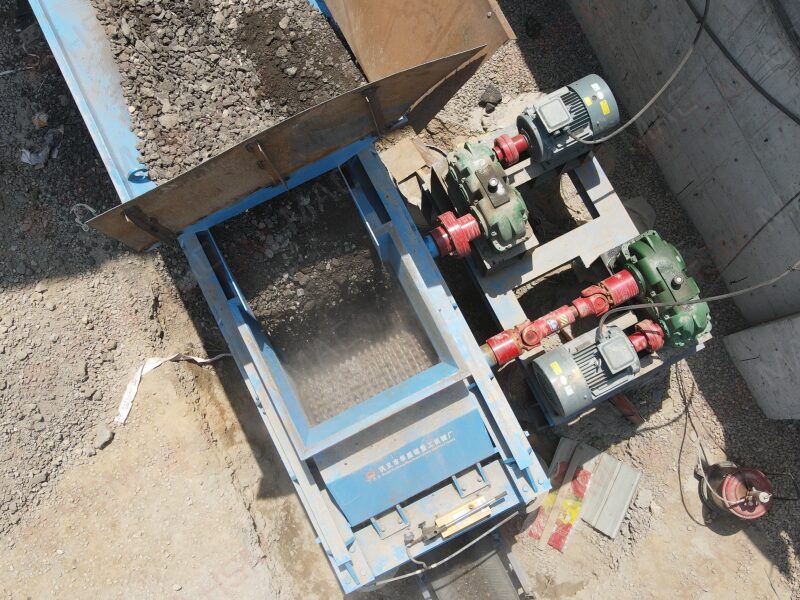
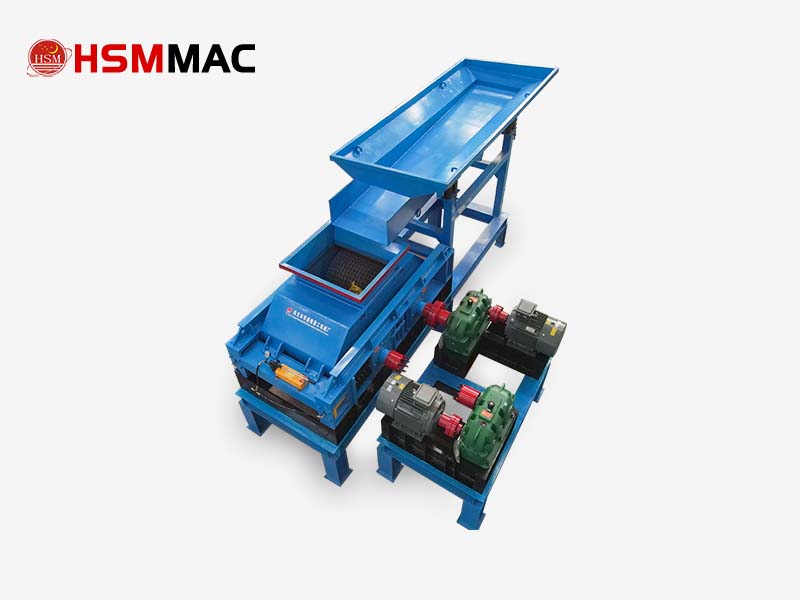
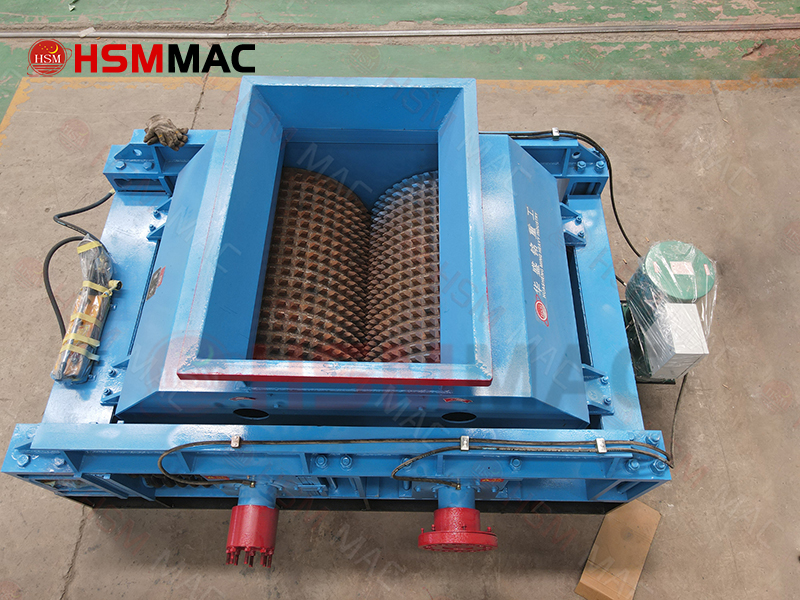
As a compression crusher, a roller crusher reduces materials by squeezing them between two counter-rotating cylindrical rollers (driven by a motor and reducer). Raw materials (coal, limestone, ore, etc.) enter the chamber, get crushed between rollers, and the final product size is adjustable via roller gap—ensuring high flexibility.
Classified by roller count, they include single-roller, double-roller, and multi-roller types. Double-roller crushers are most widely used for balanced performance and easy maintenance.
2. Unique Advantages of Roller Crushers: Why They Stand Out
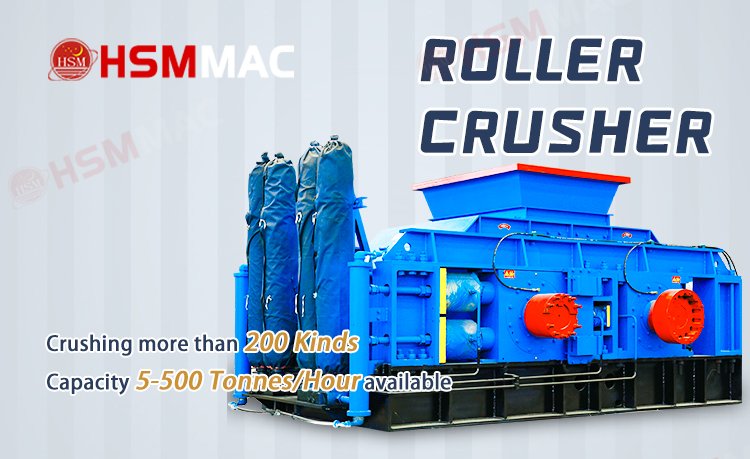
Double Roller Crusher
Compared to other crushers, roller crushers offer unique advantages that make them ideal for specific scenarios:
Uniform Product Size: Compression crushing ensures regular shapes, uniform sizes, and minimal over-crushed fines—critical for coal-fired power plants and cement production.
Low Energy Consumption & High Efficiency: Operating with low noise and energy loss (relying on pressure, not impact), they save 20-30% energy vs. jaw crushers at the same capacity.
Compact & Space-Saving: Their small footprint and easy installation/movement make them perfect for small-medium factories or mobile stations with limited space.
Gentle Crushing, Less Wear: No violent impact means lower roller wear (especially for brittle/soft materials). Wear-resistant sleeves (easily replaceable) cut maintenance costs and downtime.
Wide Material Adaptability: They handle brittle, soft, sticky, and wet materials without clogging—outperforming impact crushers prone to blockage.
3. Typical Applications of Roller Crushers
These advantages make roller crushers ubiquitous across industries. Key applications include:
3.1 Mining & Metallurgy Industry
Ideal for primary/secondary crushing of low-hardness ores (iron, copper, etc.), they provide uniform feed for grinding, boosting mineral processing efficiency.
3.2 Coal Industry
A top application field: used in power plants, coking plants, and coal washers to crush coal for combustion/coking. Uniform particles ensure full combustion, cutting waste and pollution.
3.3 Construction & Building Materials Industry
They crush limestone, gypsum, and sandstone into construction aggregates, and are widely used in cement lines to crush clinker/raw meal, guaranteeing cement quality.
3.4 Chemical & Agricultural Industry
In chemicals: crushing fertilizers, pigments, and plastics. In agriculture/feed: crushing biomass (straw, wood chips) for organic fertilizers/fuels, and feed raw materials.
4. Key Tips for Selecting a Roller Crusher
Key factors to consider when selecting a roller crusher:
Material Traits: Clarify hardness, moisture, and particle size. Choose high-hardness sleeves (e.g., manganese steel) for hard materials, and anti-clogging models for wet/sticky ones.
Production Needs: Define capacity (t/h) and final particle size to select roller diameter, length, and speed (larger rollers = higher capacity).
Installation Space: Choose a size fitting your factory/workshop. Opt for mobile models if on-site movement is needed.
Maintenance & After-Sales: Select manufacturers offering good service, easy-to-replace parts (e.g., sleeves), and technical support to reduce later troubles.
5. Final Thoughts
Though less famous, roller crushers are vital for industrial chains. Choosing the right model boosts efficiency, cuts costs, and improves product quality across sectors.
Have questions about model selection, maintenance, or pricing? Leave a comment—our team will reply promptly!
Share this with industry peers and follow our account for more industrial equipment insights!
 +86-13838144666
 +86-13838144666