




HPGR Technology: Transforming Energy Efficiency in Ilmenite and Pyrite Processing
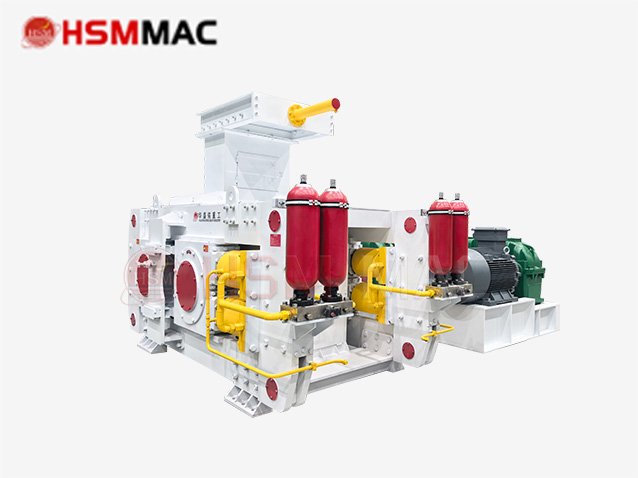
2026-04-18In mineral processing plants, the High-Pressure Grinding Roll (HPGR) has become the definitive solution for fine-crushing hard ores, utilizing the principle of inter-particle crushing. By applying extreme pressure to induce micro-fractures in the ore, it ensures a uniform particle size distribution and significantly minimizes over-grinding. Ilmenite (Titanium Ore): For high-hardness ores, crushing power consumption is maintained below 3 kWh/t, while the downstream ball milling system achieves energy savings of over 30%, delivering remarkable economic returns. Pyrite (Sulfur Ore): The HPGR effectively suppresses the generation of fines. It reduces ≤50mm raw ore to a 3–8mm range, boosting ball mill throughput by 20%–30% and significantly reducing steel ball consumption. Manganese & Silicic Iron Ore: To combat high abrasiveness, the rolls are equipped with tungsten carbide studded surfaces. This offers exceptional wear resistance, with roller sleeves lasting thousands of hours to ensure uninterrupted, stable operation. Summary: By implementing the strategy of “more crushing and less grinding,” the HPGR drastically cuts energy and maintenance costs. It is more than just a cost-saving tool; it is the technical benchmark for enhancing throughput and operational stability in iron ore beneficiation.

Ending the “Dust Siege”: How HSM Four-Roll Crushers Deliver Green Production for the Coking Industry
2026-04-16Environmental Solutions Ending the “Dust Siege”: How HSM Four-Roll Crushers Deliver Green Production for the Coking Industry Advanced sealing and low-speed extrusion for zero-disturbance operations. In the coal and coking sectors, operators have long struggled with the “Dust Siege”—massive, unorganized dust emissions caused by traditional crushing methods. Conventional hammer and impact crushers rely on high-speed kinetic energy to shatter materials, which creates violent air currents that scatter fine particles, leading to environmental complaints and compliance risks. A Triple-Threat Strategy Against Industrial Dust 01. Suppression at the Source By utilizing low-speed (tens of RPM), high-torque extrusion rather than violent high-speed impact, HSM equipment eliminates air turbulence. This suppresses dust at the point of origin and drastically reduces the over-crushing rate of high-value coke. 02. Total Enclosure Technology The crushing chamber features integrated high-precision welding and professional labyrinth seals. This ensures the internal crushing environment is hermetically isolated from the outside, preventing any physical leakage of fine coal powder. 03. Emissions Stabilized Below 10mg/m³ With standardized interfaces for dust extraction and a micro-negative pressure environment within the chamber, HSM crushers maintain dust concentrations well below global environmental limits, ensuring a clean and safe job site. Field results demonstrate that switching to an…
-
Solving RAP Challenges: Why Double-Toothed Roll Crushers are the Key to Quality Recycling
2026-04-16When processing Reclaimed Asphalt Pavement (RAP), improper equipment selection (such as using hammer crushers) often leads to excessive fines, damaging aggregate gradation and reducing mixture strength. The Double-Toothed Roll Crusher, with its unique “Shearing + Compression” principle, provides the definitive solution to this industry pain point: Preserving Aggregates & Controlling Fines: By slowly “tearing” the material rather than using violent impact, the machine functions with precision. Over 90% of the output consists of granules larger than 3mm, maintaining an extremely low over-crushing rate. Stable Gradation & Superior Performance: The resulting aggregates feature regular shapes and sharp angles, significantly enhancing the recycling ratio, drainage, and crack resistance of the reclaimed asphalt mixture. Outstanding Comprehensive Advantages: Low-speed operation not only ensures energy efficiency and quiet performance but also effectively solves the clogging issues typically associated with sticky asphalt materials. Choosing a Double-Toothed Roll Crusher allows for the precise transformation of engineering waste into high-quality resources, resulting in recycled roadbeds that are both more durable and more economical.
-
Why Our Hydraulic Roller Sand Makers Are the Industry’s Top Choice
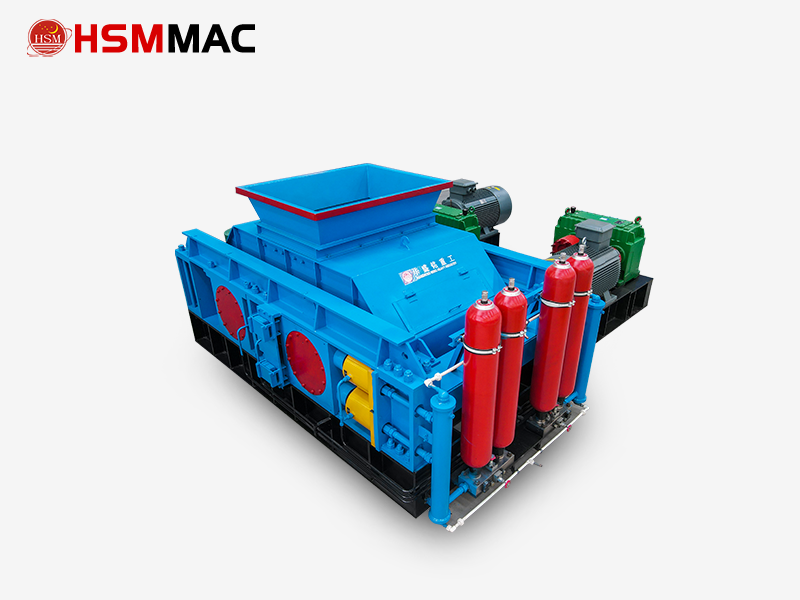
2026-04-15With decades of expertise in the roller crushing sector, HSM Heavy Industry has established its Hydraulic Double Roller Sand Maker as a premier solution, driven by the following core advantages: Solving Industry Pain Points: Our equipment produces superior cubical sand with minimal needle/flake content, fully meeting high-standard construction requirements. The screen-less design completely eliminates clogging, while power consumption per ton is reduced by over 30% compared to traditional machinery. Leading Technology: The Smart Hydraulic System features automated overload protection and real-time remote monitoring. Our proprietary high-chromium alloy roller skins boast a service life 2–3 times longer than standard alternatives. Broad Versatility: Engineered for both hard rock crushing and solid waste recycling, our product lineup covers capacities ranging from 200 to 450 tons per hour. By championing “Intelligence, Durability, and Energy Efficiency,” HSM empowers sand plants to achieve significant cost reductions and efficiency gains. We are the brand you can trust.
-
HSM HPGR: Setting New Efficiency Standards in Sand Making & Ore Processing
2026-04-14Industry Update 2026 HSM HPGR: Setting New Efficiency Standards in Sand Making & Ore Processing In 2026, Huashengming (HSM) High-Pressure Grinding Rolls (HPGR) have emerged as a disruptive force in the crushing industry. By leveraging advanced inter-particle (laminated) crushing technology, HSM is redefining performance benchmarks across two critical industrial sectors. Pebble Sand Making Produces high-quality cubical sand with <8% needle content and 30% lower energy costs compared to traditional methods. Metallic Ore Pre-grinding Creates extensive micro-fractures in ore, boosting ball mill capacity by 20%–35% for maximum efficiency. Equipped with Tungsten Carbide reinforced rollers and intelligent hydraulic relief systems, HSM HPGR ensures reliable operation in the most demanding environments. Contact us for more project details →
-
Toothed roller sizer, Coal crusher machine, Coke crushing solution, HSM industrial crusher.
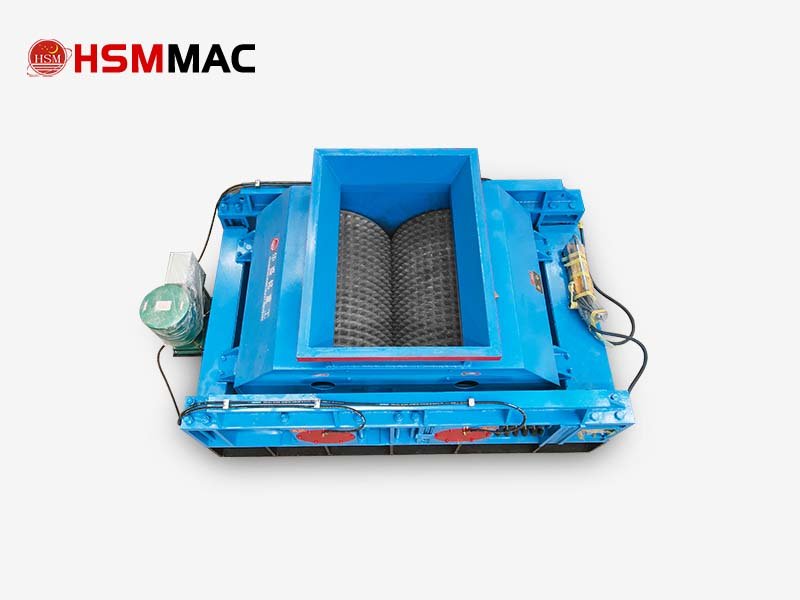
2026-04-13Double Tooth Roller Crusher High-Torque Shearing Technology for Coal & Industrial Minerals. Maximum Throughput with Zero Clogging The HSM Double Tooth Roller Crusher is the heavy-duty solution for primary and secondary crushing. By utilizing specialized high-strength toothed rollers, it creates a powerful “shearing and tearing” action, making it far more effective than traditional crushers for handling coal, coke, lime, and coal gangue. Even with high-moisture content, the vertical flow and tooth geometry prevent material buildup, ensuring continuous 24/7 operation. HSM Technical Edge Optimized Tooth Profiles: Engineered for forced-bite intake. Non-Stick Design: Ideal for wet or sticky coal series. Adjustable Sizing: Flexible control over final particle size. Hydraulic Safety: Instant protection against tramp iron. The HSM Difference Low Fines Generation The low-speed rotation preserves material structure, significantly reducing over-crushing and dust production compared to hammer mills. Heavy-Duty Alloy Rollers Cast from high-manganese steel with specialized heat treatment for maximum wear resistance and service life. Versatile Application From thermal power plants to coking facilities and solid waste recycling, HSM delivers consistent performance. Technical Parameters Model Max Feed (mm) Output Size (mm) Capacity (t/h) Power (KW) 2PGC0404 < 150 10 – 30 10 – 30 11×2 2PGC0909 < 400 30 – 80 80…
-
The Four-Roll Crusher: A Dedicated Solution for Coal & Coke—Seamless Processing Without Clogging or Sticking
2026-04-13In industries such as coal washing, coking, and thermal power generation, the crushing stage is frequently hampered by wet and sticky materials. Run-of-mine (ROM) coal, washed middlings, and coke breeze during the rainy season often have high moisture content and a tacky texture. These materials easily clog the screens or chambers of traditional crushers, leading to frequent downtime for manual cleaning and severely disrupting production continuity. The Four-Roll Crusher, with its unique screen-free, vertical open-chamber design, has become the definitive equipment for coal-based materials, achieving a truly “non-stick, non-clogging, and smooth” crushing process. I. The Core of “Non-Clogging”: A Simplified, Screen-Free Flow Traditional hammer or impact crushers rely on screen plates (grates) to control discharge size. When high-moisture coal enters, fine coal slime quickly coats the screen holes, forming a dense “coal cake” that blocks discharge and forces a total line shutdown. The Four-Roll Crusher completely abandons the screen mesh. Instead, the final particle size is controlled directly by the physical gap between the bottom rollers. As long as the particles are smaller than this gap, they are discharged smoothly via gravity. The entire crushing chamber acts as a vertical, unobstructed conduit with no horizontal dead zones or intercepting structures….
-
A Sand Plant Owner’s Revelation: “I Only Realized How Much My Old Equipment Was Costing Me After Switching to HSM.”
2026-04-12“I used to think that as long as the machine worked, it was good enough. But after switching to Huashengming (HSM), I realized just how much my previous equipment was actually draining my profits.” — This is the candid feedback from a sand plant owner after integrating an HSM Roller Crusher into his production line. The “hidden costs” he referred to were primarily bleeding his business in three areas: The Wear Part Trap: “I used to replace hammers multiple times a year. With HSM, I only need to change the roller skins once every three years.” The Electricity Drain: HSM’s energy-efficient design has led to a noticeable and consistent drop in his monthly utility bills. The Maintenance Pitfall: “My old machines were plagued by constant minor issues, leading to frequent downtime. Now, with stable operations, my maintenance costs have dropped to near zero.” This owner’s journey offers a valuable lesson for every operator: when you accurately calculate the Total Cost of Ownership (TCO), you’ll discover that choosing the right equipment isn’t an expense—it’s the most effective way to save money.
-
Launching a Sand Plant? Choose HSM Roller Crushers to Make “Energy-Saving, Hassle-Free, and Wear-Resistant” Your Reality
2026-04-10What matters most to a sand plant owner? It boils down to three core priorities: saving power, reducing stress, and cutting consumable costs. These three factors directly dictate your plant’s profitability and your overall operational experience. The Huashengming (HSM) Roller Crusher is engineered specifically around this “Triple-Saving” philosophy: Energy-Saving: Utilizing high-efficiency crushing principles, our machines deliver a significantly lower power consumption per ton of output. Hassle-Free: An integrated smart control system simplifies management, while our rugged, reliable structure ensures minimal mechanical failures and maximum uptime. Wear-Resistant: Our proprietary ultra-wear-resistant cast alloy roller skins last up to 3 years, drastically slashing your long-term expenditure on wear parts. Choosing HSM means making these “Triple-Savings” a standard part of your daily operations. We are committed to helping you generate greater value with lower costs and less effort.
-
HSM Roller Crushers: Built to Last for Generations—Our Best Ads are Written by Our Clients
2026-04-09In an era of information overload and endless advertising, the most powerful message remains the authentic voice of a satisfied customer. When our long-term clients describe the Huashengming (HSM) Roller Crusher as a machine “built to be passed down through three generations,” we know we have achieved the highest form of recognition. This simple yet profound praise reflects our customers’ total confidence in the durability, stability, and ruggedness of HSM equipment. To them, it means: Exceptional Longevity: Equipment designed to stand the test of time alongside your business. Minimal Failure Rates: A near-zero headache experience where maintenance is a rarity, not a routine. Long-term Value Creation: Even after a lifetime of service, the machine continues to operate at peak performance, ready to be handed down to the next generation. At HSM Heavy Industry, we cherish this reputation above all else. We remain committed to earning your trust by engineering products that don’t just work—they endure. If you are looking for the peace of mind that comes with “three-generation reliability,” we invite you to partner with us.
-
Direct Manufacturer & Massive Inventory: HSM Roller Crushers are Ready When You Are
2026-04-08For sand plant owners with projects ready to launch, equipment delivery timelines are critical. As a Direct Source Manufacturer, Huashengming (HSM) Heavy Industry operates a large-scale production base with extensive raw material reserves, ensuring we can respond rapidly to your urgent order requirements. Our facility maintains a robust inventory of various roller crusher models. From compact 5 TPH units to massive 450 TPH industrial machines, we are fully stocked and prepared. Once your requirements are confirmed, we can initiate fast shipping immediately, ensuring your project stays on schedule without unnecessary delays. By choosing a direct manufacturer, you don’t just get more competitive pricing—ing you also benefit from shorter lead times and more responsive technical support. HSM looks forward to a successful partnership with you.
-
HSM Focuses Solely on Roller Crushers—That’s Why We Know Them Best
2026-04-07In the business world, dedication often breeds far greater expertise than a broad, jack-of-all-trades approach. For years, Huashengming (HSM) Heavy Industry has remained steadfastly focused on the R&D and manufacturing of double roller sand makers and High-Pressure Grinding Rolls (HPGR). This singular focus has granted us a profound understanding and unrivaled technical mastery of these machines. Because we specialize, we truly understand: How to maximize roller skin wear resistance. How to ensure peak hydraulic system stability. How to engineer a more compact and high-efficiency structure. How to design intelligent systems that solve real-world operational challenges. Our technical team researches roller crushers every single day. Our production staff builds roller crushers every single day. When you choose HSM, you are choosing a team of specialists who live and breathe roller technology, providing you with the most professional products and support in the industry.
 +86-13838144666
 +86-13838144666