Efficiency, durability and cost-effectiveness are crucial in mineral processing. The hydraulic roller crusher stands out for its excellent performance and versatility, becoming a must-have for modern plants. Let’s explore its key features.
What is a Hydraulic Roller Crusher?

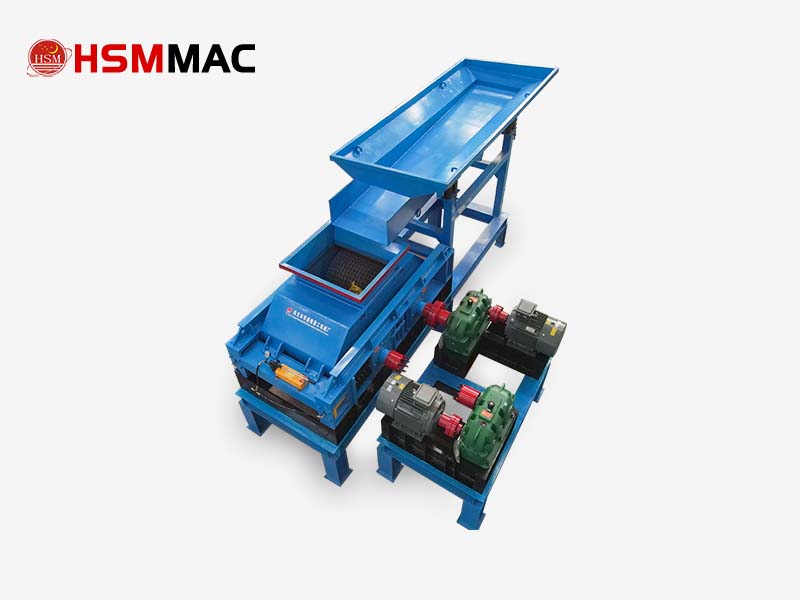
Hydraulic Roller Crusher
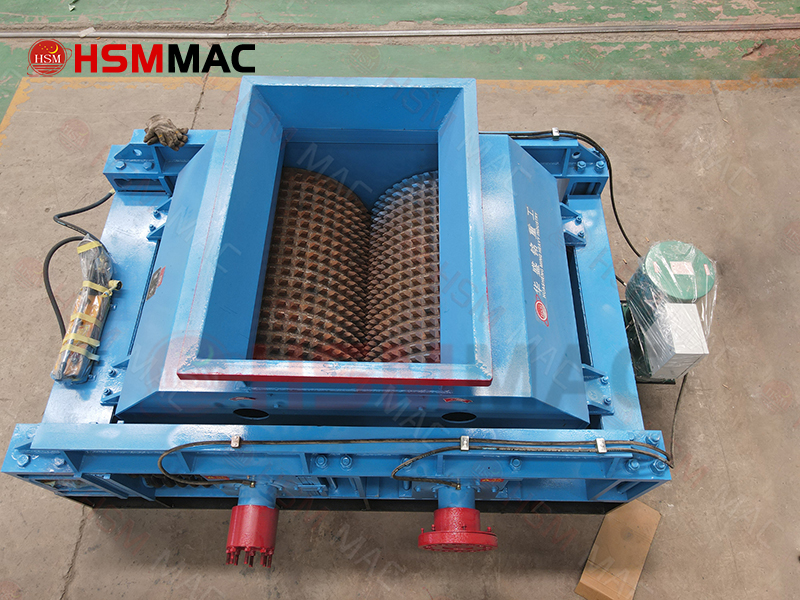
As the name suggests, a hydraulic roller crusher is a type of crushing equipment that uses two or more rotating rollers to squeeze and crush materials. Unlike traditional crushers that rely on impact or compression alone, this crusher combines the advantages of squeezing, shearing, and grinding, making it ideal for processing a wide range of minerals, from soft coal and limestone to hard granite and basalt.
The core highlight of this equipment lies in its hydraulic system. This system controls the gap between the rollers with high precision, ensuring consistent particle size of the crushed products. Moreover, it provides overload protection — when uncrushable materials (such as metal debris) enter the crushing chamber, the hydraulic system automatically adjusts the roller gap to let the debris pass, avoiding damage to the equipment.
Key Advantages of Hydraulic Roller Crusher in Mineral Crushing

Working Principle
Its unique advantages make it superior to other crushers:
1. Superior Crushing Efficiency & High Output
Adopting continuous crushing, it reduces energy consumption and boosts efficiency. Compared to jaw or cone crushers, it increases output by 20%-30% under the same power, ideal for large-scale plants.
2. Excellent Product Quality with Uniform Particle Size
Precise roller gap adjustment (down to 0.1mm) ensures uniform particle size, reducing oversized/undersized particles and improving the quality of finished products for subsequent beneficiation.
3. Strong Durability & Low Maintenance Cost
High-wear alloy rollers ensure long service life. The simple and reliable hydraulic system has fewer vulnerable parts, lowering maintenance frequency and costs (mainly checking oil level and replacing wear parts).
4. Wide Application Range for Various Minerals
It handles coal, iron ore, limestone and more, suitable for primary, secondary and even fine crushing. This versatility eliminates the need for multiple crushers.
5. Safe & Stable Operation
Equipped with overload protection, emergency stop and protective covers, it operates safely. The hydraulic overload system relieves pressure automatically when encountering uncrushable materials, preventing jams or damage.
Application Scenarios in Mineral Industry
It has been widely used in:
Coal Mining: Crushes raw and clean coal with uniform particles and low powder content, suitable for combustion or coking.
Metal Ore Processing: Crushes iron, copper, gold ores, providing qualified materials for beneficiation.
Non-Metal Mineral Processing: Crushes limestone, gypsum, talc, meeting construction and chemical industry needs.
How to Choose the Right Hydraulic Roller Crusher?
Key factors for selection:
Material Properties: Consider hardness, moisture and particle size to choose roller material and model.
Output Requirement: Select a model matching your daily output.
Finished Particle Size: Choose a crusher with adjustable gaps to meet your needs.
Manufacturer Reputation: Choose experienced manufacturers for quality and after-sales service.
Final Thoughts
With high efficiency, good product quality, wide application and safe operation, it’s indispensable for mineral crushing, reducing costs and boosting competitiveness.
For equipment upgrades or new lines, it’s a worthy investment. Leave a comment for more details!
 +86-13838144666
 +86-13838144666