
How can you resolve issues with roller gap misalignment and uneven wear in a double-roller crusher?
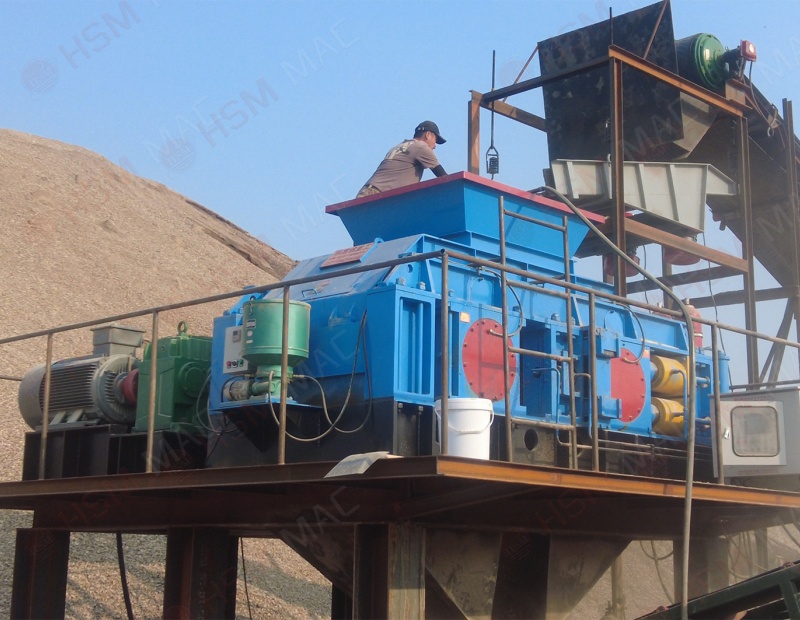
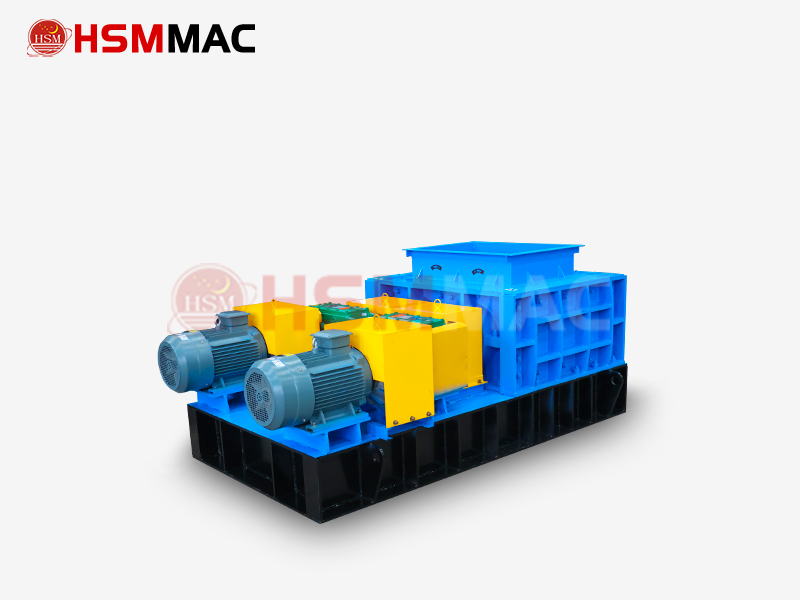
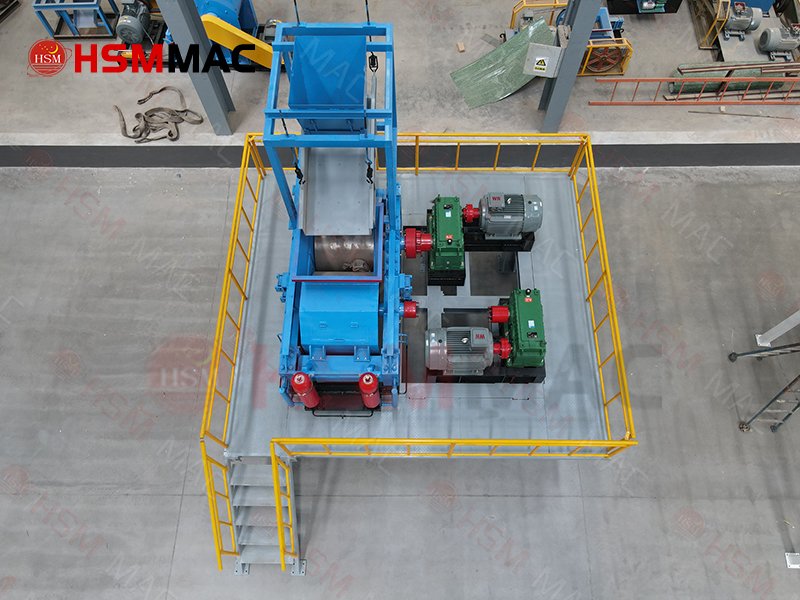
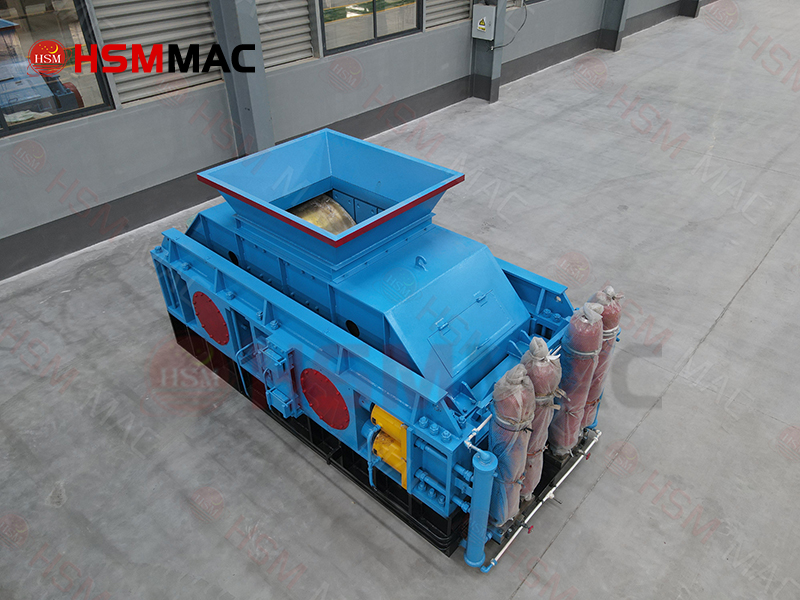
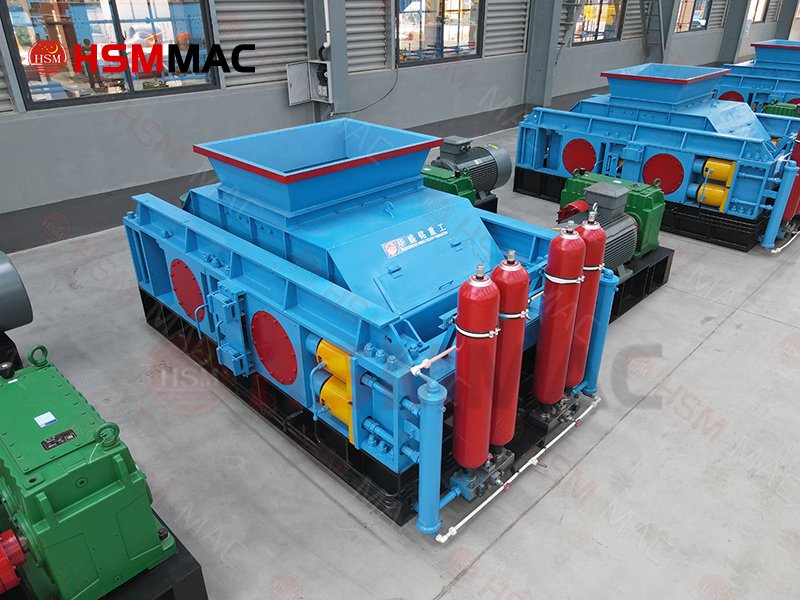
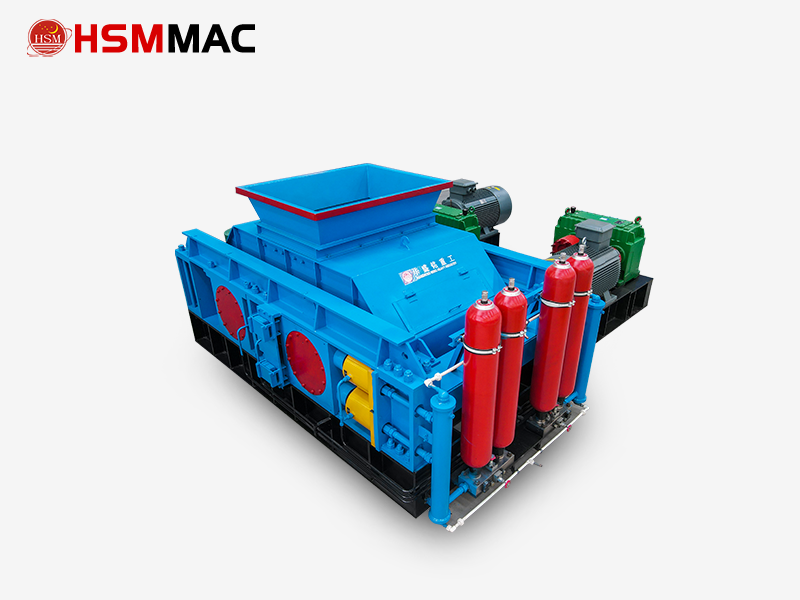
2026-09-21Direct Solution: Ordinary double roller crushers often suffer from uneven roller skin wear, spring aging, and pressure fluctuations, causing roller gap shifts and non-compliant, asymmetric discharge. HSM Double Roller Crushers solve this through high-precision twin-roller assembly technology, upgraded even-wear alloy roller shells, and a hydraulic locking system that holds the exact preset gap under continuous heavy loads. Common Equipment Flaws vs. HSM Engineering Solutions Operational Challenge Ordinary Roller Crusher Flaws HSM Technological Advantage Roller Alignment Assembly errors cause non-parallel rollers, leading to asymmetric discharge and size deviation. High-Precision Assembly: Guarantees strict twin-roller parallelism for uniform material reduction across the entire roll width. Roller Shell Wear Local or grooved wear distorts the gap, requiring frequent repair or premature replacement. Upgraded Wear-Resistant Alloy Shells: Specially formulated to wear down evenly, preserving gap accuracy over long cycles. Gap Stability & Pressure Aging tension springs or unstable hydraulic pressure cause automatic gap expansion during operation. Hydraulic Precision Locking: Locks the preset roll gap firmly, allowing effortless adjustments while maintaining tight tolerance under heavy continuous production. Primary Production Benefits Consistent Quality Aggregates: By eliminating gap shift and roller tilt, output particles remain strictly within preset size tolerances to meet demanding aggregate standards. Extended Maintenance Intervals:…
-
How HSM Hydraulic Roller Crusher Automatic Retreat Protection Works
2026-09-17Direct Answer: The HSM hydraulic roller crusher features an automatic retreat protection system (tramp iron overload protection) powered by hydraulic cylinders, accumulators, pressure sensors, and a central hydraulic station. It automatically yields when uncrushable iron or metal objects enter the crushing chamber and resets instantly without manual shutdown. ⚙️ Step-by-Step Operational Sequence Operating Stage System Action & Hydraulic State Result & Benefit 1. Normal Operation Hydraulic cylinders maintain stable preset pressure. Accumulator stores energy via compressed nitrogen gas. Movable roller stays at the fixed gap to produce consistent aggregate sizing. 2. Tramp Iron Entry Uncrushable metal causes crushing resistance and oil pressure to surge. Sensors trigger rapid hydraulic fluid displacement. Movable roller retreats instantly, widening the roll gap so foreign objects pass safely. 3. Automatic Reset Once the object falls through, crushing load drops to normal. Nitrogen in the accumulator pushes fluid back into cylinders. Movable roller automatically returns to initial position; continuous production resumes. 💡 Key Advantages & Maintenance Tips Comprehensive Component Protection: Safeguards expensive roller shells, main shafts, bearings, and reducers from severe impact damage caused by uncrushable metals. Zero-Downtime Auto Reset: Unlike traditional spring-type crushers that have limited retreat stroke and easily jam, the hydraulic system resets…
-
Will Tramp Iron and Uncrushable Debris Damage a Double Roll Crusher?
2026-09-11Direct Answer: It depends on the machine model and configuration. Standard spring-loaded double roll crushers have limited relief travel and are vulnerable to roller denting, shell chipping, or bearing damage when metal enters. In contrast, Huashengming Hydraulic Double Roll Crushers feature an automated hydraulic tramp overload system that expands the roll gap instantly to safely discharge uncrushable objects without stopping production. Mechanical vs. Hydraulic Response to Tramp Metal Machine Type Action Upon Tramp Iron Entry Operational Impact & Risk Standard Spring-Loaded Crusher Mechanical springs compress slightly, but buffer stroke is limited. Foreign objects easily jam in the crushing chamber. High risk of roller skin gouging, alloy chipping, shaft bending, and severe bearing or frame damage. Requires manual cleanout and downtime. Huashengming Hydraulic Roll Crusher Hydraulic pressure sensors detect overload instantly, rapid-bleeding pressure to open the roll gap and release metal. Core components and roller shells are fully protected from shock loads. Gap resets automatically post-passage for continuous operation. Best Practices for Preventive Plant Operation Install Upstream Magnetic Separators: While hydraulic relief systems provide excellent emergency defense, they should be treated as secondary protection. Installing self-cleaning cross-belt magnets or suspended magnetic drums on the main feed conveyor captures tramp steel before…
-
Where Should a Double-Roll Crusher Be Placed in a Sand Production Line?
2026-09-07Executive Summary: Due to a relatively low reduction ratio, double-roll crushers are not suitable for primary crushing directly fed with raw quarry boulders. In a manufactured sand production line, their optimal positions are secondary crushing, tertiary fine crushing, manufactured sand shaping, or oversize material re-processing. Positioned after jaw crushers, cone crushers, or impact crushers and paired with vibrating screens in a closed circuit, double-roll crushers maximize throughput, optimize particle shape, and reduce operating costs. ⚙️ Top 4 Placement Options in a Production Line 1. Tertiary Fine Crushing Stage (Preferred for Premium Hard Rock Sand) Process Flow: Raw Material → Jaw Crusher (Primary) → Cone/Impact Crusher (Secondary) → Double-Roll Crusher (Tertiary Sand Making) → Vibrating Screen → Finished Sand (Oversize returns to double-roll crusher in closed loop). Best Suited For: Hard stones such as river pebbles, granite, and quartz. Pre-crushing reduces stone size to 10–30 mm before entering a hydraulic smooth double-roll crusher for final sand making, resulting in excellent cubical particle shape and low dust generation. 2. Secondary Crushing Stage (Simplified Lines for Medium-Hard Material) Process Flow: Raw Material → Jaw Crusher (Primary) → Double-Roll Crusher (Secondary Fine Crushing) → Vibrating Screen → Finished Aggregate/Sand. Best Suited For: Medium-hardness materials…

What Crusher Is Best For Hard Rock?
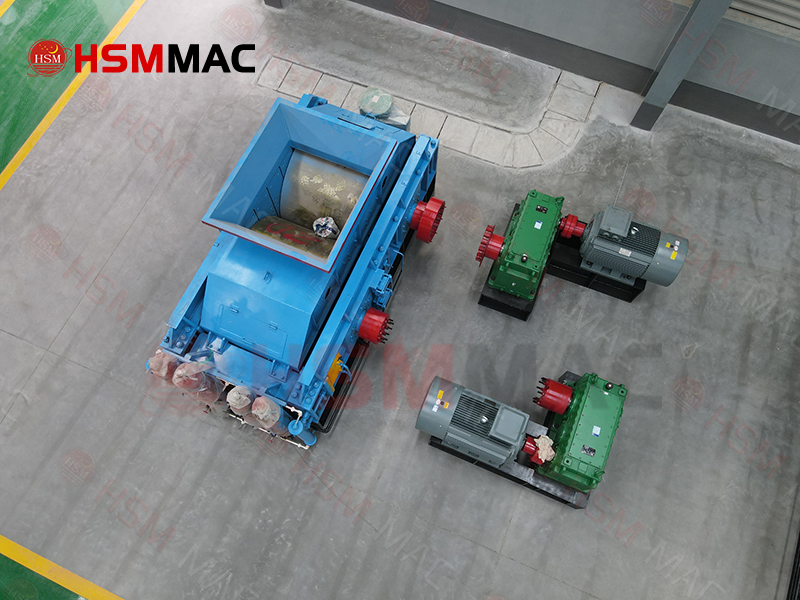
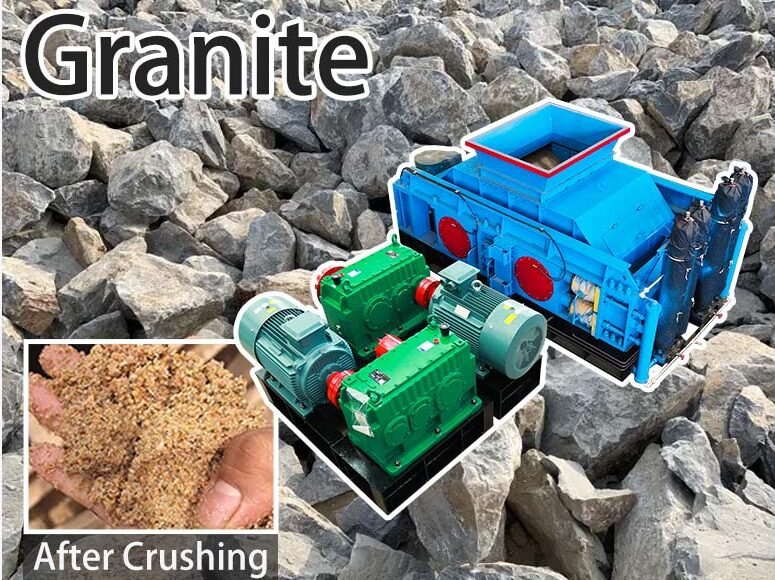
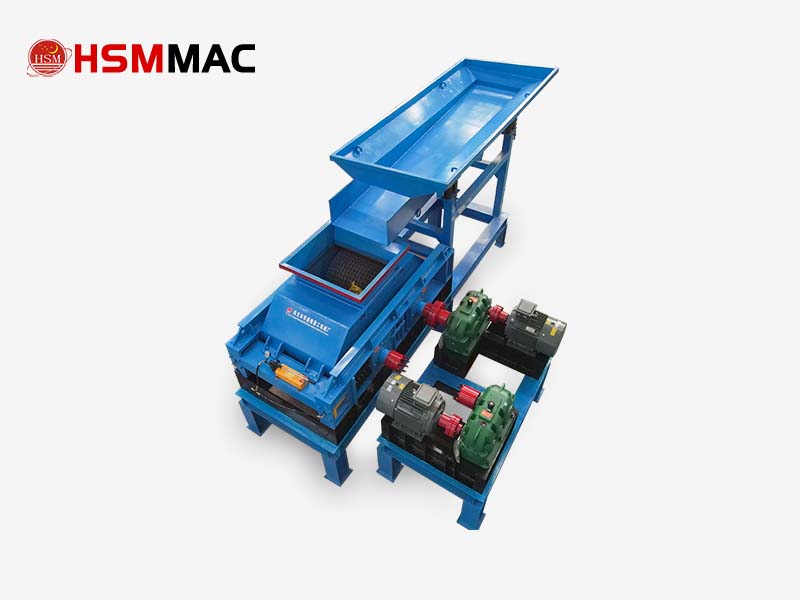
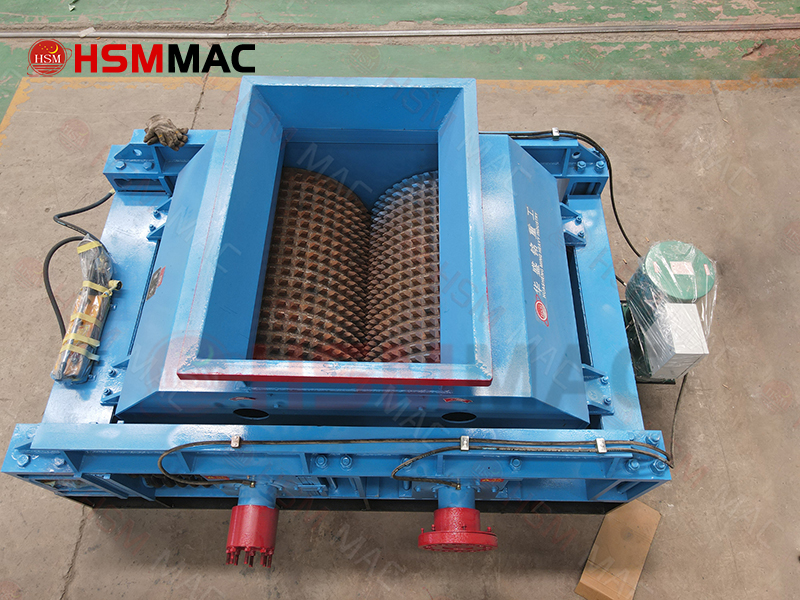
2026-09-03Double-Roll Crushers for Hard-Rock Sand-Making: Advantages & Critical Requirements Overview: Hard rocks—including quartz stone, granite, and basalt—are highly abrasive materials that quickly wear down standard crushing equipment. Compared to cone crushers and hammer crushers, hydraulic smooth-roll crushers offer significant operational advantages for hard-rock sand-making, provided proper pre-processing steps are followed. Key Advantages in Hard-Rock Sand Processing Figure 1: Hydraulic double-roll crusher setup configured for abrasive stone sand production Cubical Product Shape & Controllable Fines:By crushing rocks via static compression rather than high-speed impact, double-roll machines produce mostly cubical particles with minimal flaky fragments. They generate drastically less stone powder than hammer crushers, ensuring tightly controlled fines content for premium-grade aggregate. Wear-Resistant High-Chromium Alloy Shells:Equipped with high-chromium alloy roller shells, hydraulic double-roll crushers withstand heavy abrasion and experience even surface wear. Unlike hammer crushers that demand frequent hammer replacements, roller shells deliver longer service cycles and minimize costly downtime. Hydraulic Relief Protection Against Tramp Iron:Hydraulic models feature an automatic pressure-relief system. If uncrushable metal impurities enter the crushing chamber, the rollers automatically retract to prevent rigid impact damage to the frame or gears. (Spring-type crushers offer basic buffering but far weaker protection.) Consistent Particle Size Control:Discharge size is directly determined by…

What Materials Can a Roll Crusher Process?
2026-09-01Roll crushers are highly versatile compression crushers used across a wide range of ore types and industrial minerals. Their unique ability to handle wet, sticky, and clay-rich materials — while minimizing over-crushing — makes them particularly valuable in specific global mining regions. Below is a summary of suitable materials and the primary international markets where roll crushers are most widely applied. Materials Suitable for Roll Crushers Material Category Examples Key Characteristics Why Roll Crusher Works Well Gold ores Quartz vein gold, oxidized gold, sulfide gold concentrate Hard (Mohs 6–7), brittle, often clay-rich in weathered zones Low fines protects coarse gold; no clogging in clay zones Nickel ores red clay nickel (saprolite/limonite), sulfide nickel High clay (30–50%), high moisture (25–45%), soft to medium Open design prevents blockage; uniform feed for HPAL/RKEF Copper ores Oxidized copper, porphyry copper (secondary stage) Medium hardness, sometimes clay-bearing Reduced sliming improves leaching; energy efficient Iron ores Magnetite, hematite, limonite Hard to medium, sometimes high moisture Uniform product for mill feed; less over-crushing Lithium ores Spodumene, lepidolite Hard to medium, brittle crystals Preserves coarse crystal size; minimal fines for DMS/flotation Manganese ores Oxide and carbonate manganese Medium to hard, brittle Uniform sizing for heavy media separation; less…
Roll Crusher FAQ
2026-08-30Roll Crusher FAQ: Everything You Need to Know Q: What is a roll crusher? A roll crusher is a compression crushing machine that uses two counter-rotating cylindrical rolls to crush material. It is primarily used for medium and fine crushing in mineral processing, producing uniform particles with minimal fines. Q: How does a roll crusher work? Material is fed into the gap between two counter-rotating rolls. As the rolls turn toward each other, material is drawn into the narrowing gap and broken under compressive pressure. Particles larger than the roll gap cannot pass through, naturally ensuring uniform output size. Q: What materials can a roll crusher process? Roll crushers handle a wide range of materials, including: Gold ore — quartz vein, oxidized, sulfide concentrate Nickel ore — laterite (high clay/moisture), sulfide Copper, iron, lithium, manganese, chromite, PGM ores Industrial minerals — limestone, quartz sand, fluorite, barite Coal and coke Q: Can a roll crusher handle hard rocks like quartz? Yes. Hard but brittle materials like quartz vein gold ore (Mohs 7) fracture efficiently under compression. High-chromium hardfaced roll surfaces provide excellent wear resistance for abrasive ores. Q: Can a roll crusher handle wet, sticky, or clay-rich material? Yes — this is one…
-
What Are the Types of Crushers?
2026-08-15Q:What Are the Types of Crushers? A:Crushers are essential processing equipment widely used in mining, building materials, metallurgy, chemical, and other industries. They are primarily designed to reduce large chunks of ore, rock, coal gangue, construction waste, and other materials to the required particle size. Based on different structures and working principles, crushers can be classified into various types, each suitable for different materials and operating conditions. Common Types of Crushers Roll Crusher: Uses two counter-rotating rolls to crush material through compression. Features low over-grinding rate and uniform product particle size. Suitable for fine crushing of medium-hardness and brittle materials. Widely used in ore fine crushing, mineral processing pre-treatment, and tailings processing. High Pressure Grinding Rolls (HPGR): Designed for fine and ultra-fine crushing of metal ores. Achieves “more crushing, less grinding” through high-pressure inter-particle crushing, reducing ball mill load and improving processing capacity. Toothed Roll Crusher: Uses shearing and compression for crushing. Tooth profiles can be customized for specific material characteristics. Suitable for coarse and medium crushing of coal, glass, gypsum, and other materials below medium hardness. Four-Roll Crusher: Two-stage crushing in one pass. Upper and lower roll pairs can be flexibly combined based on material characteristics and product requirements,…
-
What is the Difference Between a Cone Crusher and a Roll Crusher?
2026-08-12In the mining and aggregate industries, cone crushers and roll crushers are both commonly used for medium and fine crushing applications. Both fall under the category of compression-type crushers, but they differ significantly in working principles, material suitability, product particle size, and operating costs. Below is a comparison from several key perspectives. Working Principle Cone crusher relies on the gyratory motion of the mantle, driven by an eccentric assembly. When the mantle approaches the concave, it compresses the material; when it moves away, the material is discharged. This “compression + bending” crushing method offers high throughput but is relatively coarse in its crushing action. Roll crusher relies on two counter-rotating rolls that apply sustained compressive force to the material, achieving crushing through compression and shearing. The material is uniformly compressed within the roll gap, fracturing along natural textures and fissures. The crushing process is more controlled and gentle. Product Particle Size and Shape Cone crushers typically produce a discharge size ranging from 10–30mm, with a relatively high percentage of flaky and elongated particles (generally above 15%). Achieving finer particle sizes often requires additional downstream fine crushing equipment. Roll crushers offer flexible discharge size control between 1–20mm, with online hydraulic gap adjustment for…
-
What are the advantages of roll crusher?
2026-08-06Q1: What is the core working principle of a roll crusher? Why is it superior to impact crushing? A roll crusher uses two counter-rotating rollers to crush material by compression. Material falls between the two rollers, is drawn into the roller gap by surface friction, and is fractured under sustained compressive and shear forces. The finished product is discharged naturally from below the gap. This “compressive” method is fundamentally different from the “impact” method of hammer crushers—compressive force propagates along mineral grain boundaries, enabling selective fracture, significantly reducing over-grinding, and producing a tighter particle size distribution. Q2: What are the main advantages of a roll crusher compared to a hammer crusher? Compared to hammer crushers and impact crushers, the advantages of roll crushers are concentrated in three areas: Low over-grinding rate, good particle shape: Using inter-particle crushing rather than impact, it produces almost no secondary breakage, delivering uniform discharge size with significantly lower fines content; Longer wear parts life, lower maintenance costs: Roll shell life far exceeds that of hammers and blow bars on impact-type equipment, reducing the need for frequent replacement and lowering crushing cost per ton; Stable and reliable operation: Simple and compact structure, low failure rate, easy…
-
What is the difference between a roll crusher and a hammer crusher?
2026-07-27Q: What is the difference between a roll crusher and a hammer crusher? A: They differ significantly in crushing principle, applicable materials, and output control: 1. Different working principles A roll crusher is a compression-type crusher. Two rolls rotate toward each other. Material falls into the V-shaped crushing chamber between the rolls and is crushed by the compression and shearing forces generated by the counter-rotating rolls, then discharged from the bottom. A hammer crusher is an impact-type crusher. The motor drives the rotor at high speed. Material enters the crushing chamber and is crushed by the high-speed impact, shearing, and tearing of the hammers, as well as by impact between particles. Material smaller than the grate gap is discharged; larger particles continue to be struck and ground until they reach the required size. 2. Different applicable materials Hammer crushers are suitable for medium-hardness, brittle materials such…
-
What Are the Three Types of Crushers?How to Choose the Right One?
2026-07-23Q: What are the three types of crushers? A: In the mining and aggregates industry, crushers are generally classified into three core types based on the crushing stage and principle: 1. Primary Crushing Equipment: Jaw Crusher The jaw crusher is the first stage of the entire production line. It uses a periodic squeezing motion between the movable and fixed jaws to perform primary crushing on run-of-mine ore or raw stone. Features include a large feed opening, high crushing ratio, simple structure, and reliable operation. It can handle various high-hardness materials, providing qualified semi-finished products for downstream crushing stages. 2. Secondary Crushing Equipment: Cone Crusher / Impact Crusher After primary crushing, the material typically enters the secondary crushing stage for further processing. Cone Crusher: Uses inter-particle compression crushing principle. Suitable for high-hardness, abrasive materials such as granite and basalt. Offers high throughput, uniform product particle shape, and long wear part life — the mainstream choice for secondary crushing of hard rock. Impact Crusher: Uses impact energy to crush materials. More suitable for medium-hard materials like limestone. Produces cubic-shaped products with excellent particle shape, but wear parts wear faster when processing high-hardness materials. 3. Fine Crushing and Sand Making Equipment: Impact Sand Maker / Roll…
 +86-13838144666
 +86-13838144666