In the fast-paced world of sand making, every equipment choice directly impacts your plant’s productivity, cost-effectiveness, and product quality. Among the diverse crushing solutions available, the hydraulic roller crusher has emerged as a standout performer, redefining efficiency and reliability for sand making plants worldwide. Whether you’re processing limestone, granite, river pebbles, or recycled aggregates, this advanced crusher is tailored to meet the rigorous demands of modern sand production. Let’s dive into why it’s becoming the top choice for industry leaders.
1. What Makes Hydraulic Roller Crusher Unique for Sand Making?
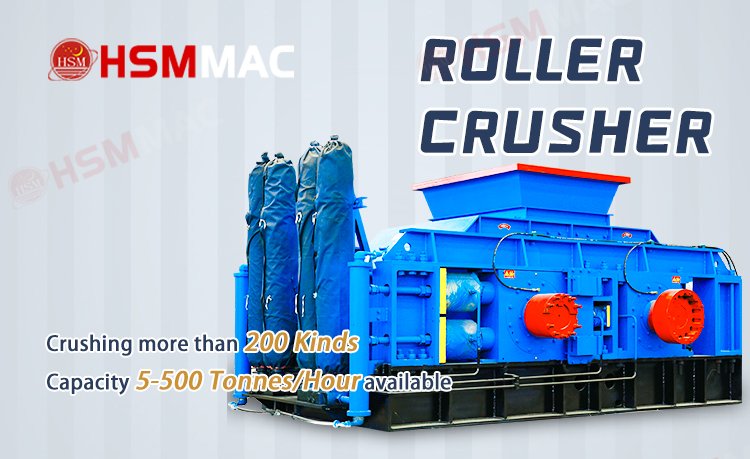
Hydraulic Roller Crusher
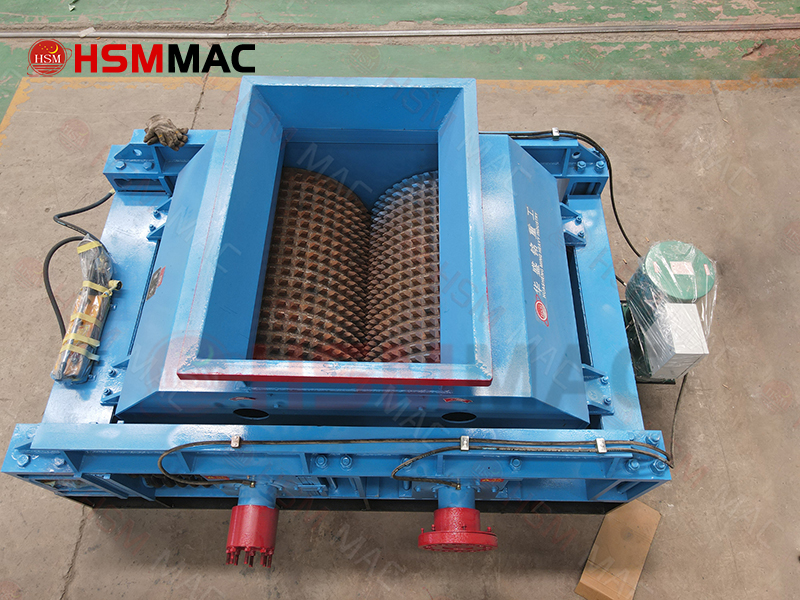
Unlike traditional crushers (such as jaw crushers or impact crushers) that rely on high-impact force, the hydraulic roller crusher operates on a compression-crushing principle. It features two rotating rollers (driven by a high-efficiency motor) that squeeze and grind raw materials into uniform particles. The integration of hydraulic systems adds a layer of intelligence and stability, making it far superior to conventional roller crushers in sand making scenarios:
Adjustable Discharge Size with Precision: The hydraulic system allows stepless adjustment of the roller gap, enabling you to produce sand with different fineness (from 0-5mm to 0-10mm) according to market needs. This flexibility is crucial for adapting to diverse applications, such as concrete sand, road construction sand, or mortar sand.
High Crushing Efficiency & Low Energy Consumption: By focusing on compression rather than impact, the hydraulic roller crusher converts more energy into crushing force, reducing power consumption by 20-30% compared to impact crushers. It also handles wet or sticky materials smoothly (with a moisture content up to 15%), avoiding clogging issues that plague other crushers and ensuring continuous operation.
Superior Product Quality: The crushed sand has a cubic shape, low needle-flake content (less than 5%), and uniform particle size distribution—key indicators of high-quality construction sand. It also minimizes over-crushing, reducing material waste and improving resource utilization.
2. Core Advantages for Sand Making Plants

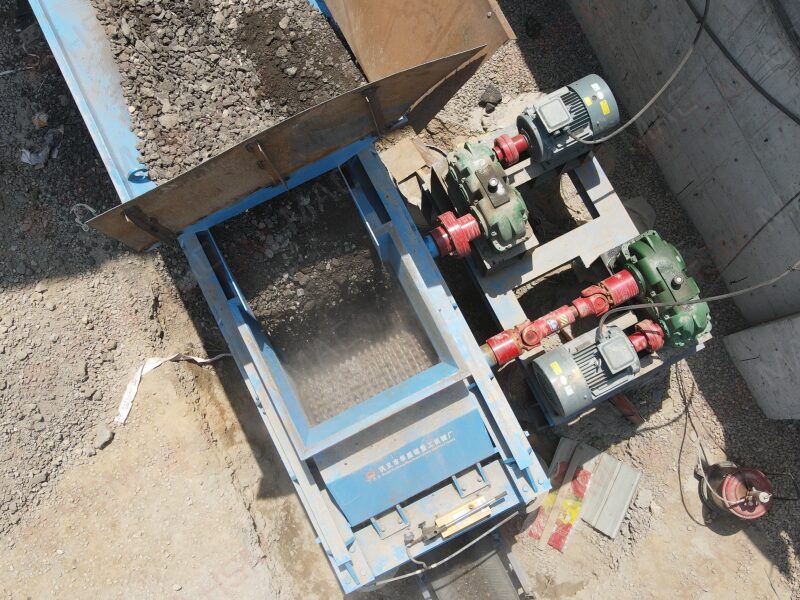
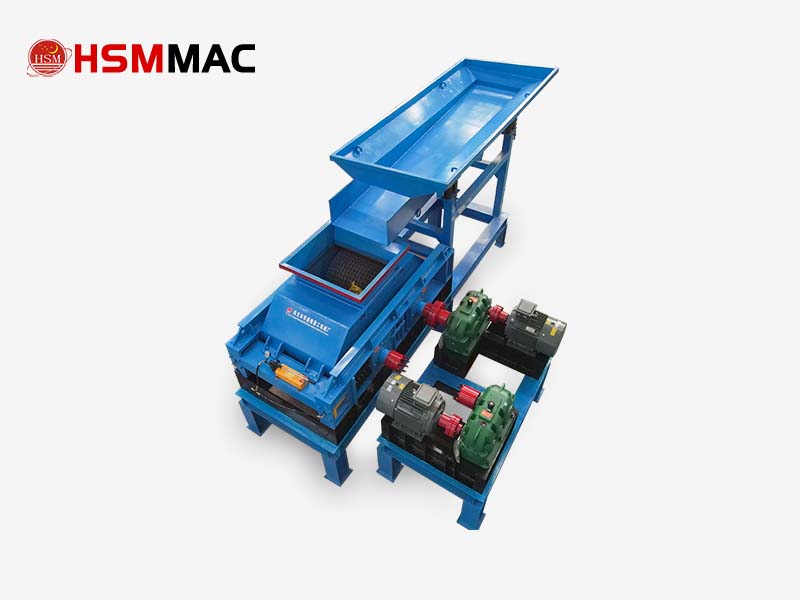
Working Principle
For sand making plant operators, profitability hinges on efficiency, durability, and low maintenance costs. The hydraulic roller crusher delivers on all fronts, offering tangible benefits that translate to higher returns:
a. Robust Design for Heavy-Duty Operation
Built with high-strength alloy steel rollers and a rigid frame, the hydraulic roller crusher can withstand the abrasion of hard materials (e.g., granite with compressive strength up to 300MPa). The roller surface is treated with wear-resistant technology, extending its service life by 50% compared to ordinary rollers. This durability means less downtime for part replacements and lower maintenance costs.
b. Intelligent Protection & Easy Maintenance
The hydraulic system comes with overload protection: if an uncrushable object (e.g., metal) enters the crusher, the rollers automatically retract to discharge the object, then reset to the original gap—preventing damage to the machine. Additionally, the crusher’s compact structure and user-friendly design make routine maintenance (such as roller replacement or lubrication) quick and labor-saving, further reducing downtime.
c. Eco-Friendly Operation
In an era of strict environmental regulations, the hydraulic roller crusher stands out for its low noise and dust emissions. The closed crushing chamber and optional dust collection system minimize dust leakage, while the low-vibration operation ensures compliance with noise standards (below 85dB). This makes it suitable for sand making plants in urban or eco-sensitive areas.
3. Ideal Applications in Sand Making Plants
The hydraulic roller crusher is a versatile solution that fits seamlessly into various sand making processes, whether as a primary crusher, secondary crusher, or tertiary sand making machine. Here are its typical applications:
Natural Stone Sand Making: Processing river pebbles, limestone, granite, basalt, and other natural ores into high-quality construction sand.
Recycled Aggregate Sand Making: Crushing construction waste (e.g., concrete blocks, asphalt pavement) into recycled sand, supporting sustainable development.
Specialty Sand Production: Producing fine sand for glass manufacturing, chemical industry, or other high-precision applications by adjusting the roller gap and crushing parameters.
4. How to Choose the Right Hydraulic Roller Crusher for Your Plant?
To maximize the benefits of a hydraulic roller crusher, consider the following factors when selecting a model:
Raw Material Properties: Determine the type, hardness, moisture content, and feed size of your raw materials. For example, hard materials (like granite) require crushers with thicker wear-resistant rollers.
Production Capacity: Choose a model that matches your plant’s daily output needs (ranging from 50t/h to 500t/h for common models).
Product Requirements: Clarify the desired discharge size and fineness modulus of the sand to select a crusher with the appropriate roller diameter and adjustable gap range.
Manufacturer Reliability: Opt for a reputable manufacturer with rich experience in sand making equipment, offering after-sales service (e.g., on-site installation, maintenance training) to ensure smooth operation.
5. Real-World Success Story
A sand making plant in Shandong, China, replaced its old impact crusher with a 2PGY1200×1000 hydraulic roller crusher in 2023. The results were remarkable: production capacity increased from 80t/h to 120t/h, power consumption dropped by 25%, and the needle-flake content of the sand decreased from 12% to 3.5%. The plant’s sand products quickly met the high-standard requirements of local concrete manufacturers, boosting sales by 40% within six months. This case highlights the transformative impact of hydraulic roller crushers on sand making plant profitability.
Final Thoughts
As the sand making industry evolves toward higher efficiency, quality, and sustainability, the hydraulic roller crusher has established itself as an indispensable piece of equipment. Its unique working principle, coupled with advantages like energy savings, high product quality, and easy maintenance, makes it a game-changer for sand making plants looking to stay competitive. If you’re planning to upgrade your sand making equipment or build a new plant, investing in a hydraulic roller crusher is a decision that pays off in the long run.
Want to learn more about how to customize a hydraulic roller crusher solution for your sand making plant? Leave a comment below with your raw material type and production needs, and our technical team will get back to you with a free quote and design proposal!
 +86-13838144666
 +86-13838144666