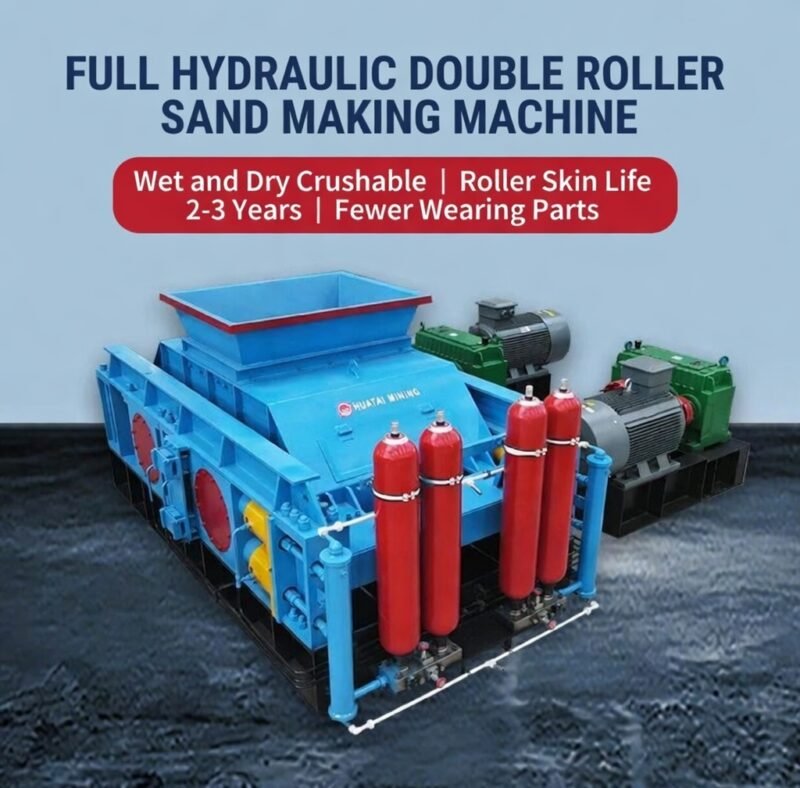
FULL HYDRAULIC DOUBLE ROLLERSAND MAKING MACHINE
⚙️ Top 4 Placement Options in a Production Line
1. Tertiary Fine Crushing Stage (Preferred for Premium Hard Rock Sand)
Process Flow: Raw Material → Jaw Crusher (Primary) → Cone/Impact Crusher (Secondary) → Double-Roll Crusher (Tertiary Sand Making) → Vibrating Screen → Finished Sand (Oversize returns to double-roll crusher in closed loop).
Best Suited For: Hard stones such as river pebbles, granite, and quartz. Pre-crushing reduces stone size to 10–30 mm before entering a hydraulic smooth double-roll crusher for final sand making, resulting in excellent cubical particle shape and low dust generation.
2. Secondary Crushing Stage (Simplified Lines for Medium-Hard Material)
Process Flow: Raw Material → Jaw Crusher (Primary) → Double-Roll Crusher (Secondary Fine Crushing) → Vibrating Screen → Finished Aggregate/Sand.
Best Suited For: Medium-hardness materials like limestone, calcite, and weathered stone in small-to-medium plants. Toothed-roll crushers handle aggregate output, while smooth-roll models produce fine sand.
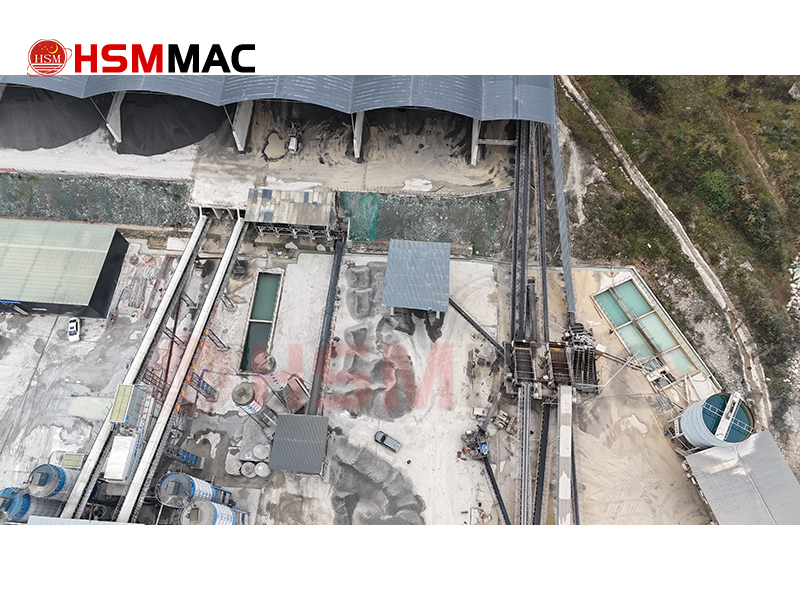
The Application of Double-Roll Crushers in Sand Production Lines
3. Plant Retrofits: Processing Oversize Return Material (Pea Gravel / Chips)
In existing VSI (Vertical Shaft Impact) sand lines, screening yields large volumes of recirculating pea gravel. Installing a double-roll crusher dedicated to processing this return material reduces wear on VSI blow bars, increases overall sand yield, and lowers spare-parts consumption across the plant.
4. Pre-Grinding Stage in Mineral Processing Circuits
Process Flow: Crushing & Screening Circuit → Double-Roll Crusher → Ball Mill.
Fine-crushing ore before ball milling implements the “more crushing, less grinding” principle, significantly lowering overall electrical power consumption in grinding circuits.
🚫 Where NOT to Place a Double-Roll Crusher
- Primary Crushing Stage (Never Recommended): Quarry run rocks (hundreds of millimeters in size) must not be fed directly into double-roll crushers. Oversized feeds cause material slippage, violent impact damage to roller shells, rapid wear, and severe capacity loss. Primary jaw crushers are required for initial reduction.
- Completely Open Circuits: Operating without a vibrating screen in an open loop causes variations in output size. A closed-circuit recirculation loop ensures consistent, standardized finished aggregate sizing.
💡 Layout & Selection Best Practices
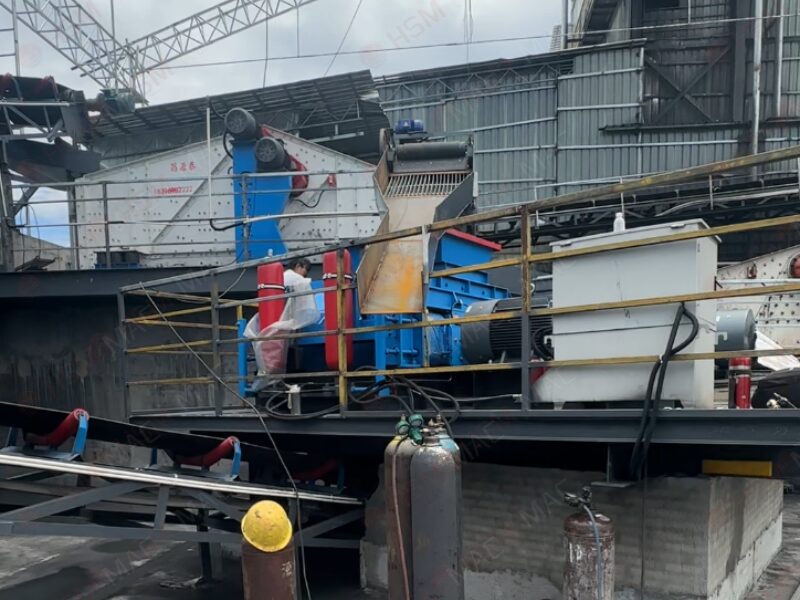
Installation Site of a Double-Roll Crusher
- Hard Rock Selection: Use hydraulic double-roll crushers for hard materials. Automatic tramp iron protection prevents equipment damage during continuous closed-circuit production.
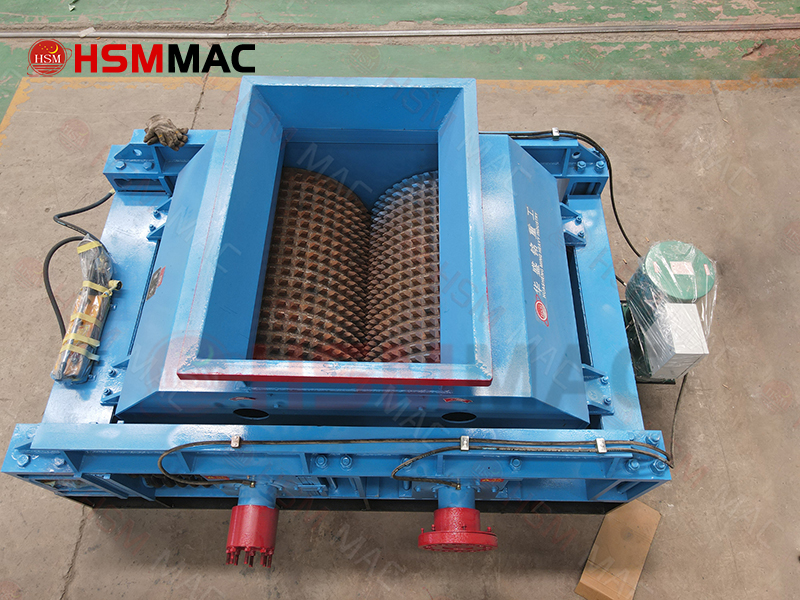
- Surface Type Matching: Select toothed rolls for aggregate secondary crushing and smooth rolls for fine sand production.
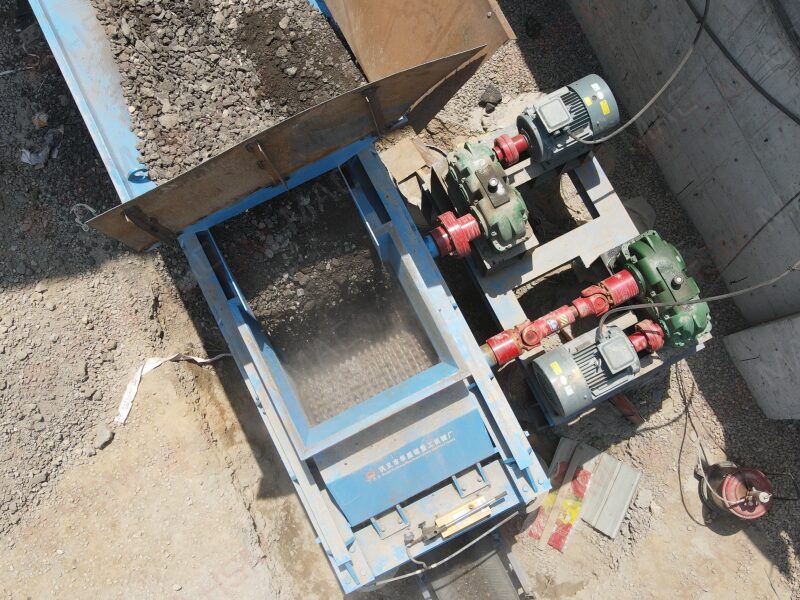
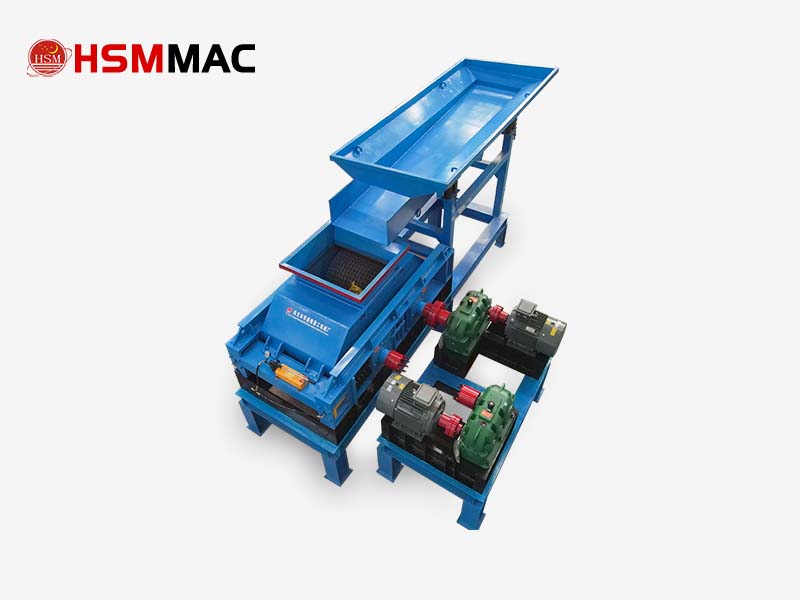
- Even Material Distribution: Install a proper feeder to distribute material across the full width of the rollers, avoiding localized wear grooves that cause inconsistent output sizing.
Process Design Assistance: Contact Huashengming Heavy Industry with your raw material type, feed size, target capacity, and finished product specifications to receive a customized sand plant layout and equipment proposal.
“`
 +86-13838144666
 +86-13838144666