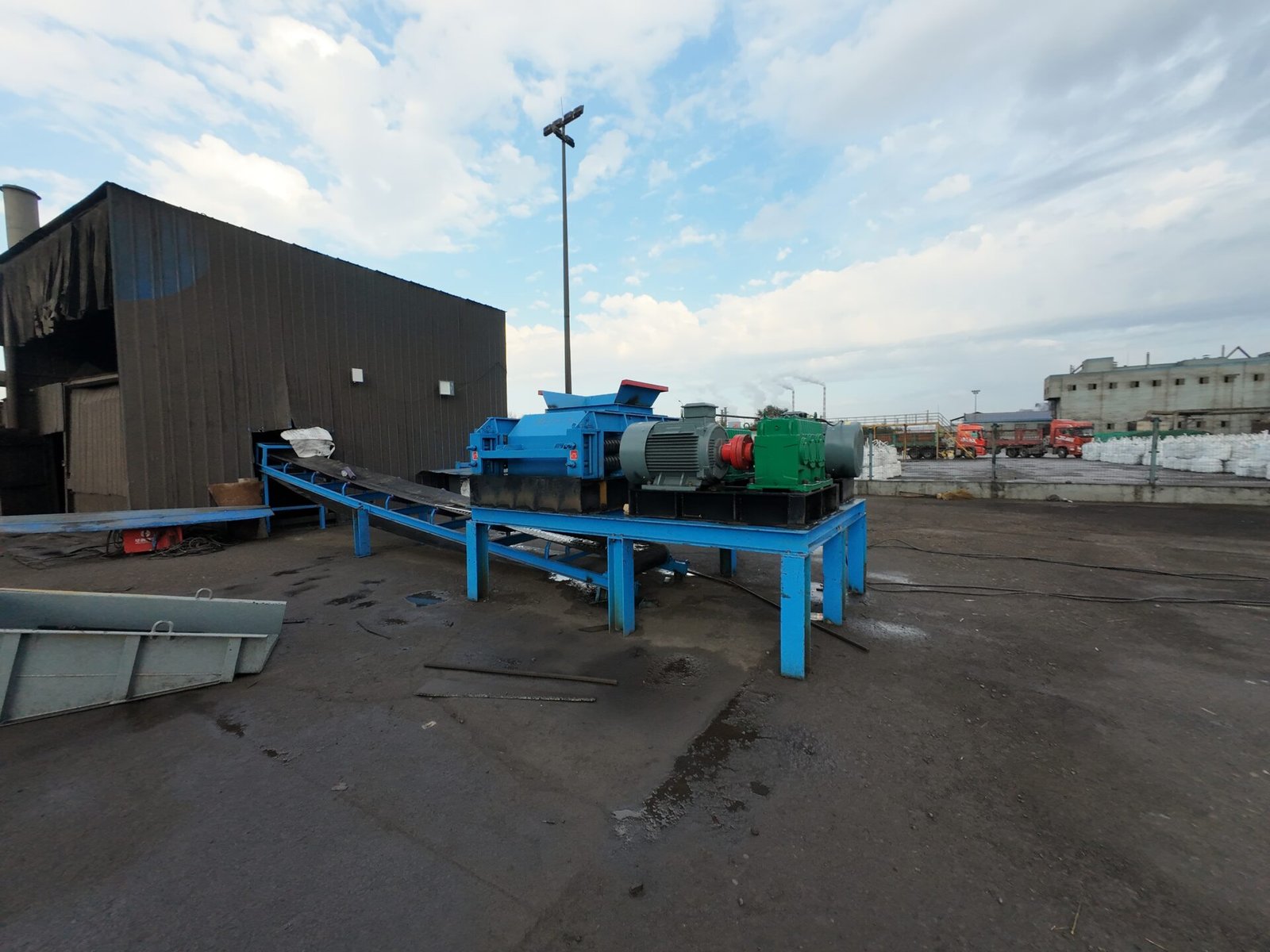
In coal washing, coal chemical processing, and thermal coal preparation, controlling the particle size has always been a key factor affecting product quality, energy consumption, and operation and maintenance costs. When processing coal, traditional hammer mills and jaw crushers often face issues ……
In coal washing, coal chemical processing, and thermal coal preparation, controlling the particle size has always been a key factor affecting product quality, energy consumption, and operation and maintenance costs. When processing coal, traditional hammer mills and jaw crushers often face issues such as high over-grinding rates, low particle size compliance rates, rapid hammer head wear, and material blockages caused by wet coal. In contrast, tooth roller crushers, which utilize a “shearing + splitting” crushing principle, are increasingly becoming the preferred solution for coal projects.
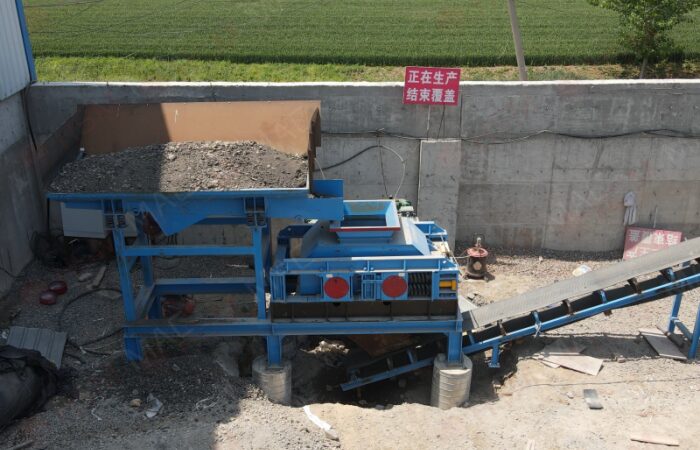
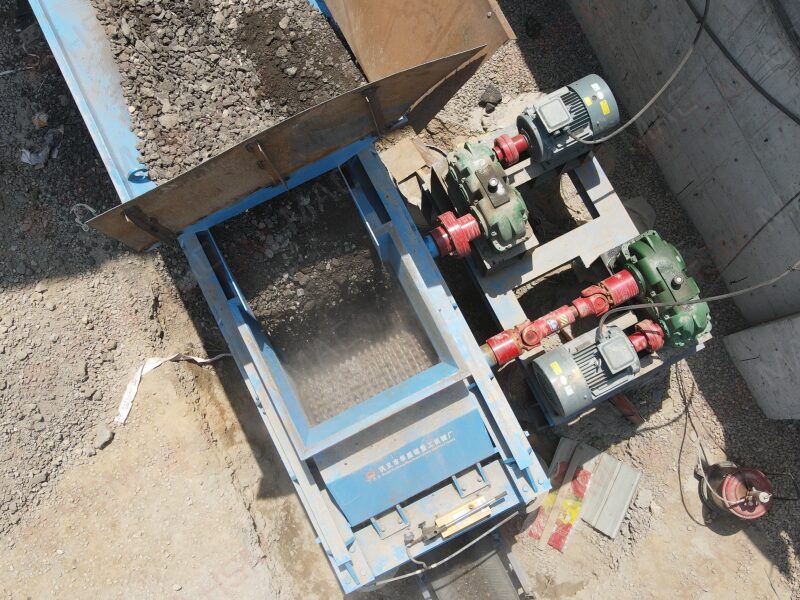
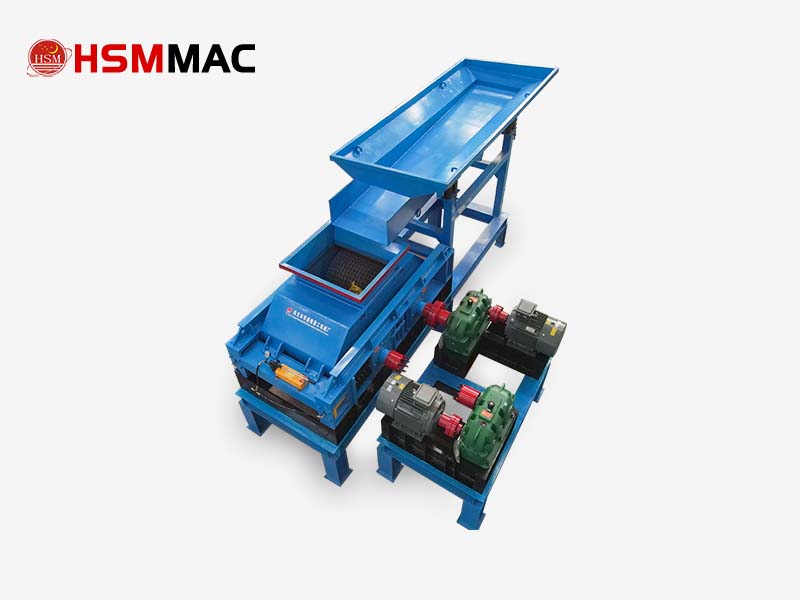
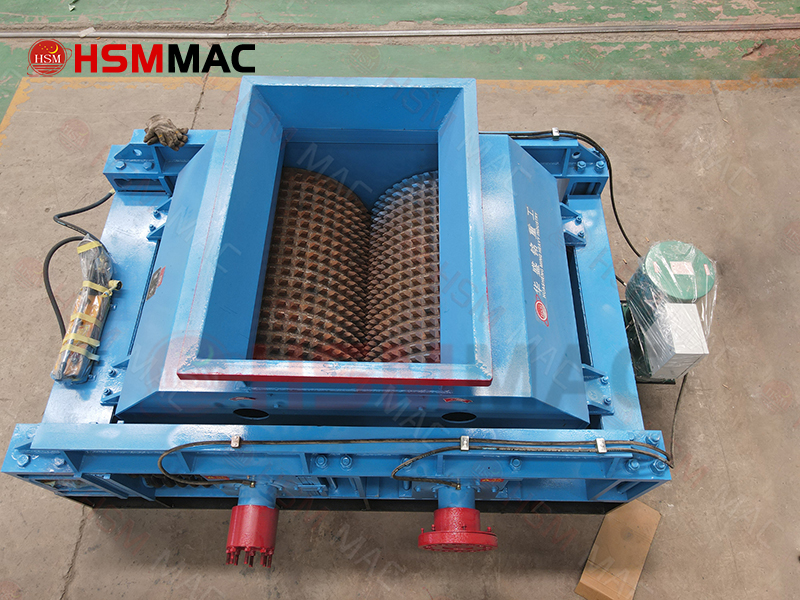
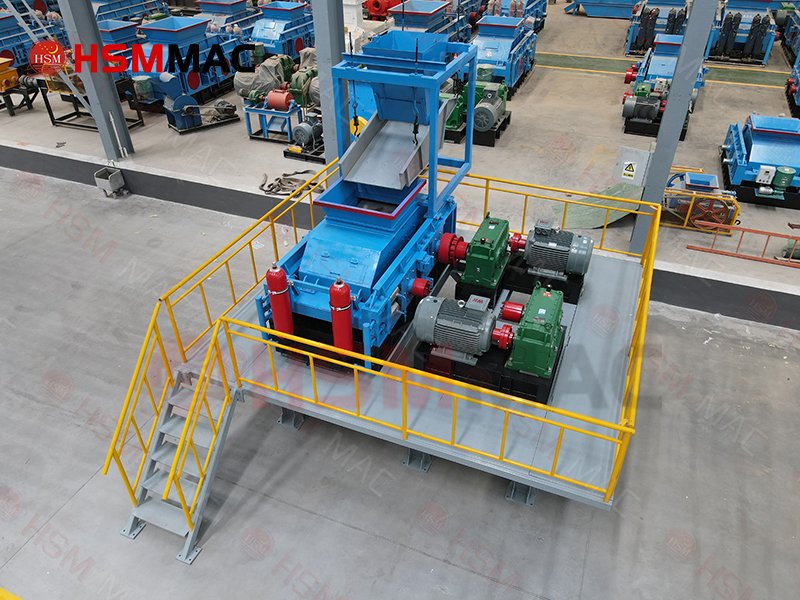
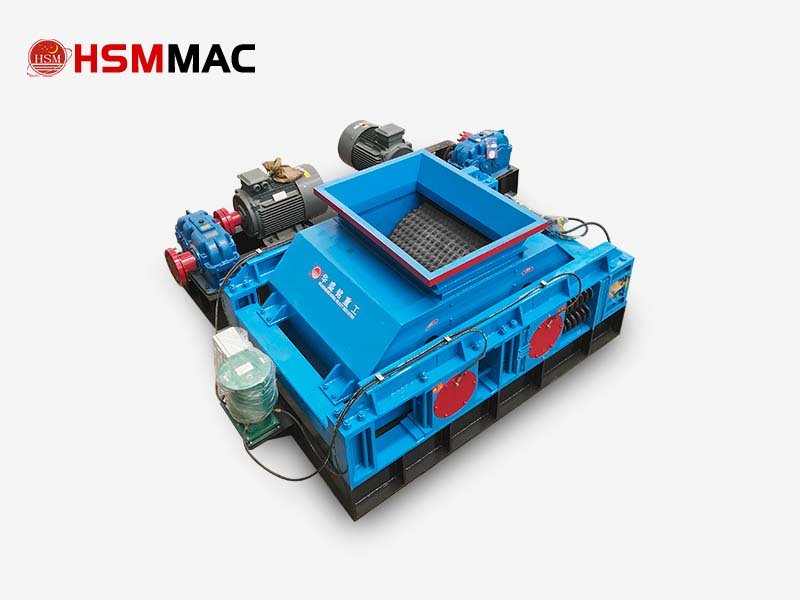
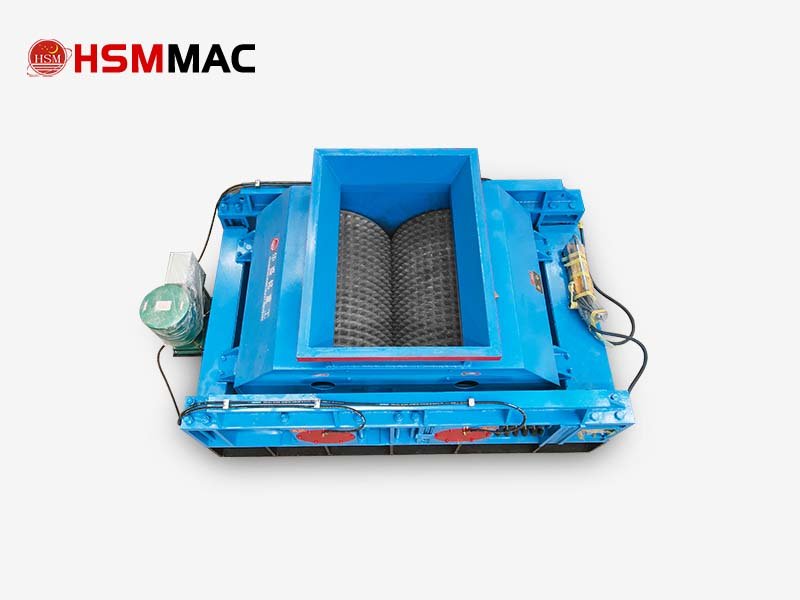
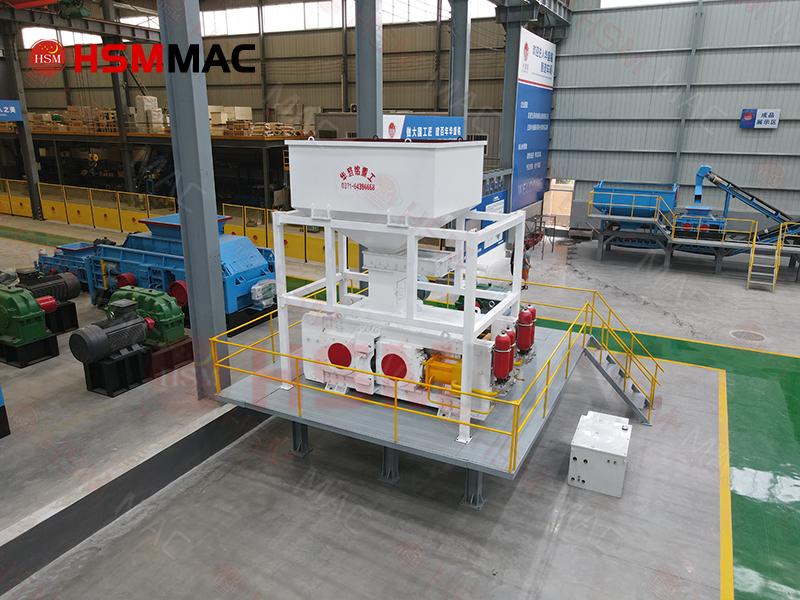
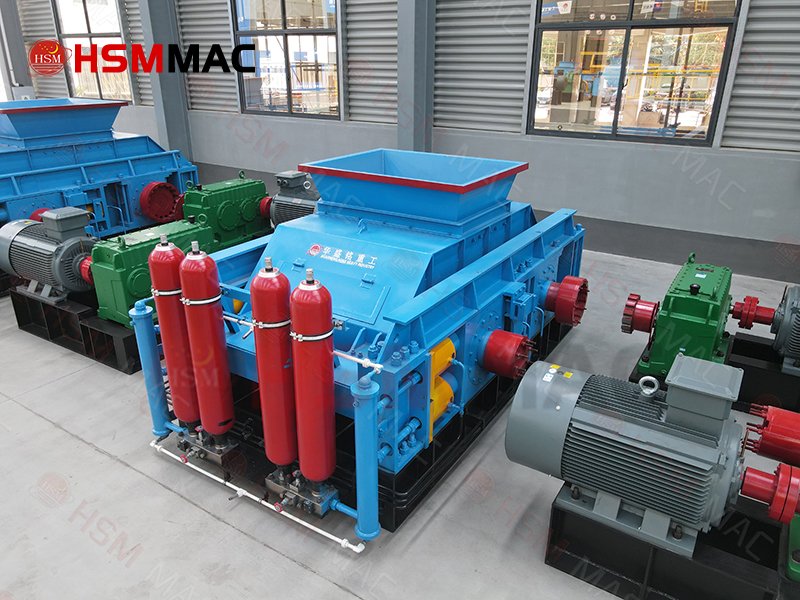
double tooth roll crusher
Take a coal preparation plant with an annual production capacity of 3 million metric tons of thermal coal as an example. Prior to the upgrade, the plant’s crushing section used ring hammer crushers, with a feed size of ≤300 mm and a target output size of ≤50 mm. The crushed coal was primarily supplied to circulating fluidized bed boilers and loaded onto trains for transport.
A series of issues emerged during operation:
Severe over-crushing: The proportion of coal fines smaller than 3 mm consistently ranged between 18% and 22%, which not only affected boiler combustion efficiency but also increased the difficulty of controlling coal dust.
Unstable particle size compliance: The proportion of material oversizing the 50 mm screen fluctuated significantly, leading to uneven loads on downstream screening and conveying systems.
Rapid hammer head wear: Due to the high content of gangue and hard impurities in the raw coal, hammer heads needed to be replaced every 20–25 days on average, resulting in frequent shutdowns.
Wet coal blockages: During the rainy season, as the moisture content of the raw coal increased, the crushing chamber was prone to clogging, causing a decrease in processing capacity of approximately 30%.
High electricity consumption: Electricity consumption for crushing one metric ton of coal is approximately 1.8–2.2 kW·h.
These issues directly drive up the processing cost per metric ton of coal and also affect the particle size specifications and market acceptance of commercial coal.
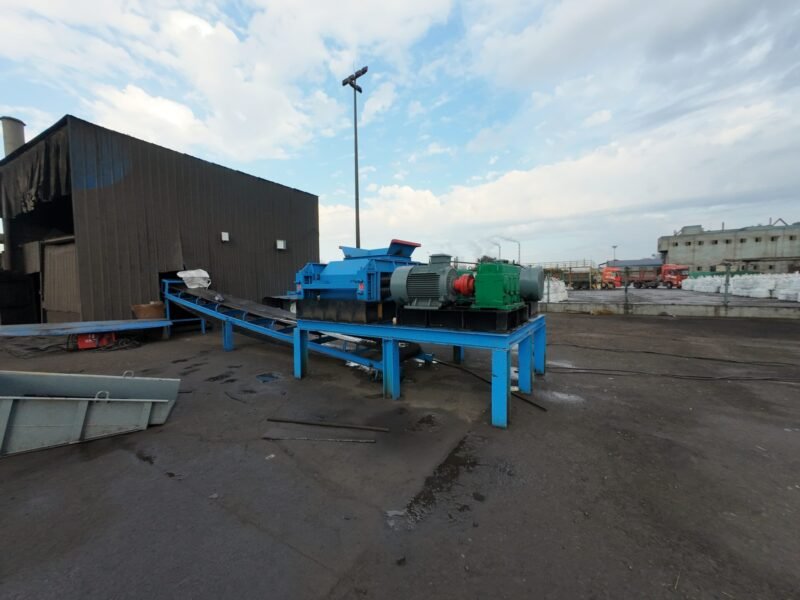
Double Tooth Roller Crusher
After comparing jaw crushers, cone crushers, and tooth roller classification crushers, the project team ultimately selected the double-tooth roller classification crusher as the alternative solution. The key reasons are as follows:
1. Reduced Over-crushing, Preserving Particle Size Distribution
The toothed roller crusher breaks down material through the shearing, splitting, and tensile forces of its toothed rollers, rather than relying on high-speed impact as in hammer crushers. Coal is “split open” between the teeth rather than “smashed,” resulting in a significant reduction in fine coal production.
Post-retrofit measurements show that the proportion of pulverized coal smaller than 3 mm dropped from 19.6% to 7.8%, a reduction of over 60%. This has direct economic value for both thermal coal and coking coal—the lower the proportion of pulverized coal, the higher the lump coal rate and the size premium.
2. Controllable Output Particle Size and High Compliance Rate
By adjusting the spacing between the toothed rollers, the tooth profile, and the rotational speed, the toothed roller crusher can precisely control the output particle size. In this case, the target particle size was ≤50 mm; after the retrofit, the proportion of material oversizing the 50-mm screen decreased from 11.4% to 2.3%, and the particle size compliance rate stabilized at over 97%.
This advantage is particularly significant in coal chemical and coal gasification applications that require strict particle size classification.
3. Strong Adaptability to Wet Coal and Low Risk of Clogging
Unlike traditional crushers with narrow crushing chambers and high-speed rotating hammers, the tooth roller crusher features sufficient clearance between the tooth rollers. It can maintain continuous operation even when raw coal moisture content reaches 12%–15%.
After two rainy seasons following the retrofit, there were no unplanned shutdowns caused by clogging due to wet coal.
4. Improved Wear Resistance and Reduced Maintenance Costs
The toothed rollers are equipped with wear-resistant caps made of high-chromium alloy or embedded with cemented carbide. When worn, only the caps need to be replaced individually, rather than the entire roller. Compared to replacing entire hammer heads, this results in shorter maintenance times and lower spare part costs.
In this case study, the service life of the toothed roller caps reached 6–8 months, and annual maintenance costs were reduced by approximately 45% compared to the original ring hammer crusher.
5. Reduced Electricity Consumption per Metric Ton of Coal
Due to the low rotational speed of the toothed rollers and the fact that crushing relies primarily on shear force, the equipment’s operating power consumption is lower than that of an impact crusher. After the retrofit, electricity consumption per metric ton of coal decreased from approximately 2.0 kW·h to 1.1 kW·h, a reduction of about 45%.
Based on this case study and experience from similar projects, the key features of tooth roll crushers in coal crushing can be summarized as follows:
Staged Crushing Concept: Simultaneously performs crushing and preliminary screening, reducing the need for repeated crushing of material that already meets the required particle size and minimizing over-crushing.
Flexible Overload Protection: When encountering ferrous objects or large chunks of hard rock, the tooth rolls automatically yield to protect the main body of the equipment and prevent rigid impact.
Customizable Tooth Profiles: Different tooth heights, pitch, and profiles can be designed based on coal hardness, feed size, and target particle size, ensuring broad adaptability.
Low Speed, Low Noise, Low Dust: The equipment operates smoothly, with on-site noise levels typically below 85 dB and minimal dust emissions, facilitating compliance with environmental standards.
Modular Maintenance: Wear-prone components such as tooth caps, side tooth plates, and bearing housings can be replaced individually, reducing downtime.
In coal crushing, “the finer, the better” is not necessarily the case. Instead, the goal is to meet process particle size requirements while preserving the coal’s particle size distribution as much as possible, reducing the fine coal rate, and controlling energy consumption and operational and maintenance costs. With its low over-crushing rate, controllable particle size, strong adaptability to wet coal, and ease of maintenance, the tooth roller crusher is gradually replacing traditional impact crushers and becoming the mainstream choice for coal crushing operations.
The above case studies demonstrate that a single, well-planned upgrade of crushing equipment can not only directly reduce the processing cost per metric ton of coal but also generate additional market revenue by improving the particle size quality of commercial coal. For coal enterprises facing issues such as high pulverized coal rates, unstable particle size distribution, and blockages caused by wet coal, tooth roll crushers are worth prioritizing for evaluation.
Click here to view All Services
 +86-13838144666
 +86-13838144666