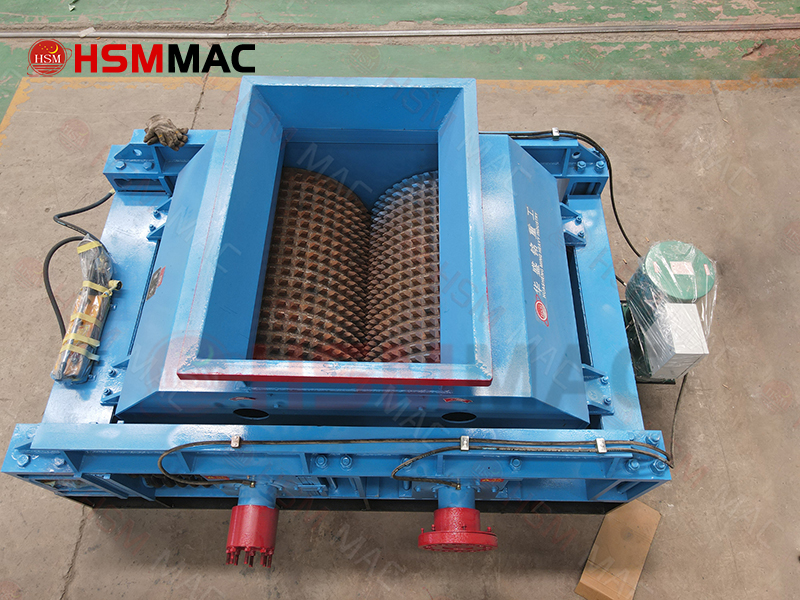
Among all the components of the twin-roll crusher, the roller skin (roller sleeve) is the most crucial wear-prone part and also the cost-consuming consumable that the bosses are most concerned about. Whether the stones are hard or not, and how well the machine can withstand wear and tear, all depend on this layer of skin. Many equipment cause headaches for users precisely because the roller skin wears out too quickly, requiring replacement every few days. Not only does this result in expenses for purchasing spare parts, but frequent shutdowns for replacement also delay production. However, the modern high-quality hydraulic roller crusher, which dares to promise “durability and ease of use”, lies in its secret that the roller skin adopts advanced high-chromium manganese steel alloy wear-resistant material.
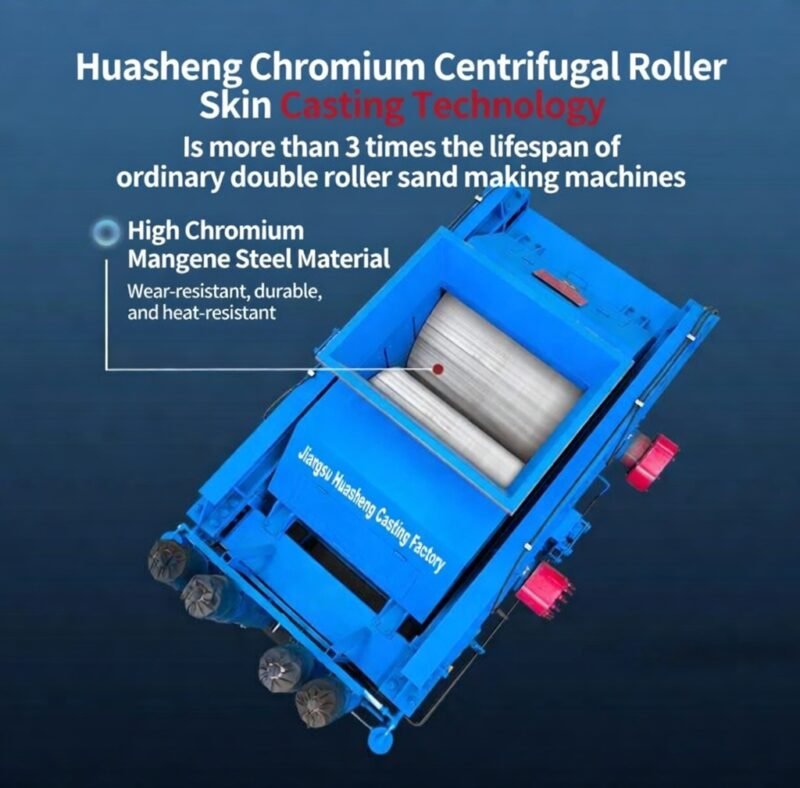
What is high chromium-manganese steel alloy?
This is a special alloy material specifically developed for dealing with hard rocks. It is based on ordinary steel and incorporates a high proportion of chromium (Cr) and manganese (Mn) elements. The function of chromium is to enhance the hardness and corrosion resistance of the material, making the surface of the roller skin as hard as armor, capable of resisting the cutting and grinding of stones.
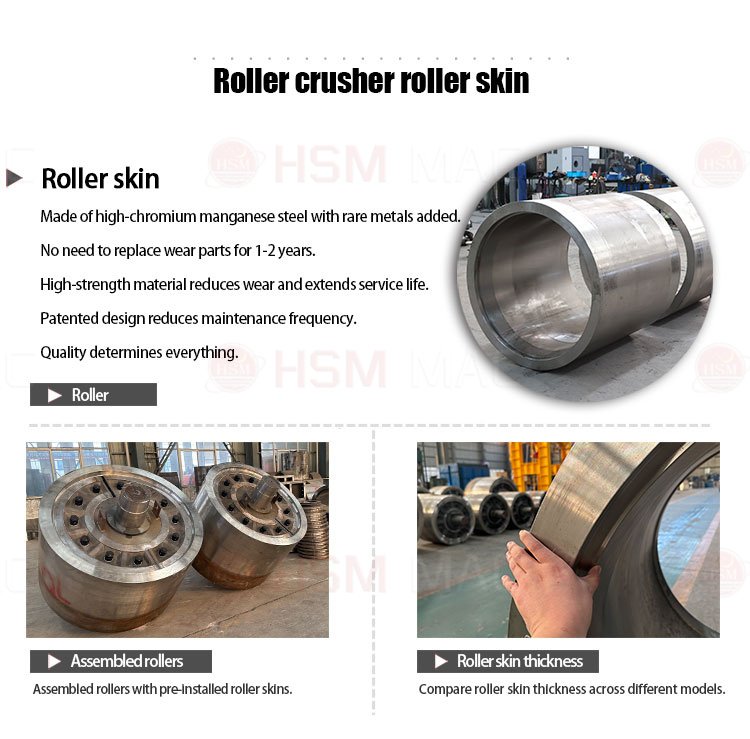
The function of manganese is to enhance the toughness and work hardening ability of the material. When the roll surface is subjected to a huge impact force, its surface will quickly become harder, while the interior still maintains toughness and will not easily break or fall off. This “outer tough and inner resilient” characteristic enables the high chromium-manganese steel alloy roller skin to perform much better than ordinary high manganese steel or cast iron roller skins when dealing with hard materials such as granite, basalt, and river pebbles.

High wear resistance, lifespan doubled
In actual production When using ordinary material rollers, crushing hard rocks may only last for a few hundred hours before replacement is necessary. However, using rollers made of high-chromium-manganese steel alloy can typically increase the service life by 2 to 3 times, or even more. What does this mean? It means that instead of having to replace the roller coating once a month, now it can be done every three months or even half a year. The significant reduction in the replacement frequency has directly brought about two benefits:
- The cost of accessories has dropped significantly: Over the course of a year, the money saved on purchasing the roll material would be considerable.
- Significant reduction in downtime: No longer needing to stop and disassemble the machine frequently.The machine can operate continuously for a longer period, and naturally, the output increases. For a sand and gravel factory with a daily output of tens of thousands of yuan, saving one downtime means earning several thousand more.
-

crushing

Another major advantage of the high chromium-manganese steel alloy is its wide adaptability. For brittle materials (such as coal and gypsum), it does not easily adhere, has a smooth surface and maintains high efficiency. When facing abrasive materials (such as quartz stone and silica), its high hardness can effectively resist wear and tear. When faced with impactive materials (such as concrete blocks in construction waste), its high toughness prevents cracking. No matter how complex your raw materials are, this set of roller sheets can handle them all with ease and will never show any “selective eating” behavior.
Easy to replace, worry-free maintenance
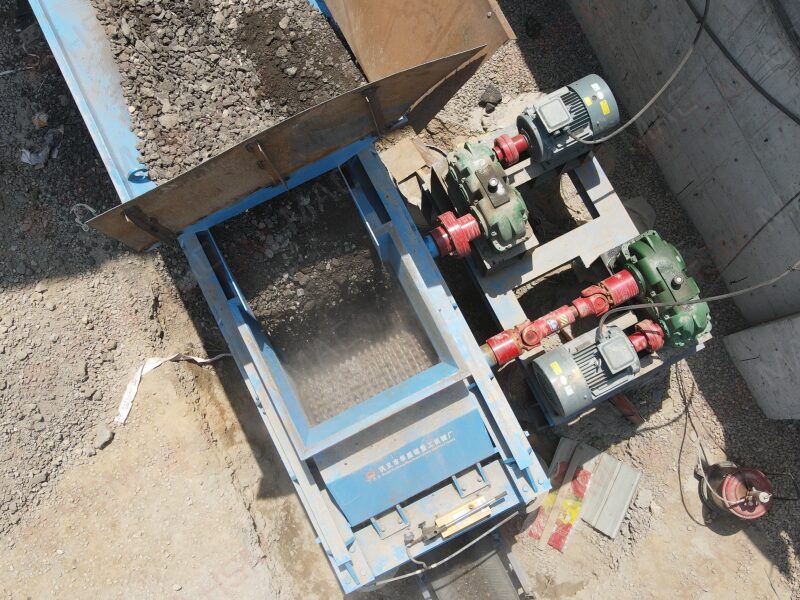
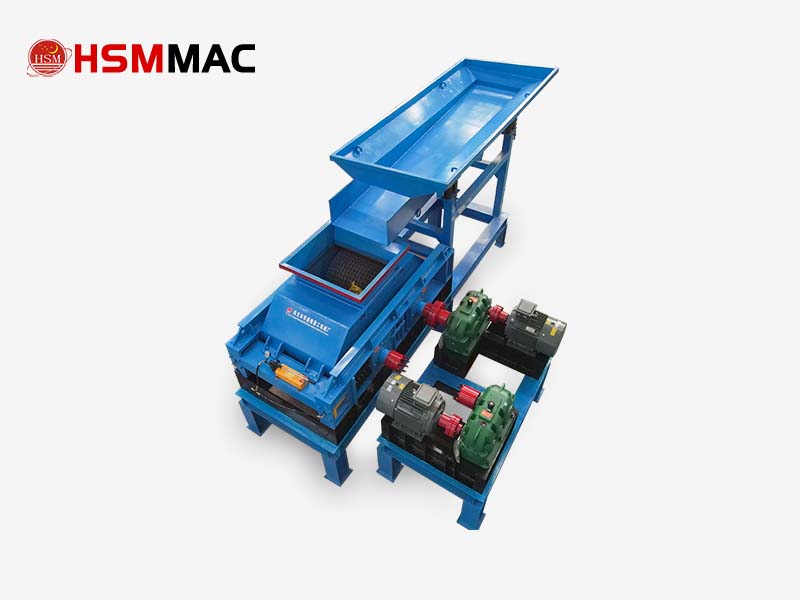
Apart from its excellent material quality, the roller sheet structure designed based on this material is also very user-friendly. Most of them adopt a split tile structure or a hot fitting process. Split-type: Replace only the worn part without having to replace the entire unit, thus further reducing costs. Easy disassembly: With the use of specialized tools, several workers can complete the replacement in just a few hours, without the need for large cranes to work for a long time. In addition, the double-roll machine has a simple structure and no complex internal cavities. Maintenance personnel can operate it simply by standing beside the machine, which is both convenient and fast.

Make an economic calculation: Suppose a machine operates for 10 hours every day. The lifespan of ordinary roller plates is 500 hours, and they need to be replaced 7 times a year; while the high-chromium-manganese steel alloy roller plates have a lifespan of 1500 hours, and they only need to be replaced 2-3 times a year. Accessory fee: Saved over 60%. Labor cost: Saved over 60%. Downtime losses: Reduced by over 60%. After calculating the costs, although the unit price of the high-chromium-manganese steel alloy rolls might be slightly higher, the overall usage cost is much lower.
In the crushing industry, details determine success or failure. The material of the roller plate may seem like a small detail, but it directly affects the operating cost of the equipment and the profit margin of the boss. The hydraulic twin-roll sand-making machine selects high-chromium-manganese steel alloy wear-resistant material. This is not only to extend the lifespan, but also to provide bosses with a “reliable, cost-saving, and worry-free” guarantee. With its tough material, it withstands the hard stones and protects your wallet. Choosing such a device means choosing long-term stable income, making the crushing operation no longer a war of consumption, but a relaxed harvest.
 +86-13838144666
 +86-13838144666