Vanadium-titanium magnetite, as an important strategic metal resource of our country, is widely distributed in areas such as Panxi in Sichuan Province, Chengde in Hebei Province, and Inner Mongolia. Its mineral composition is complex, mainly containing magnetite, ilmenite, and a large amount of quartz and pyroxene and other silicate gangue minerals.

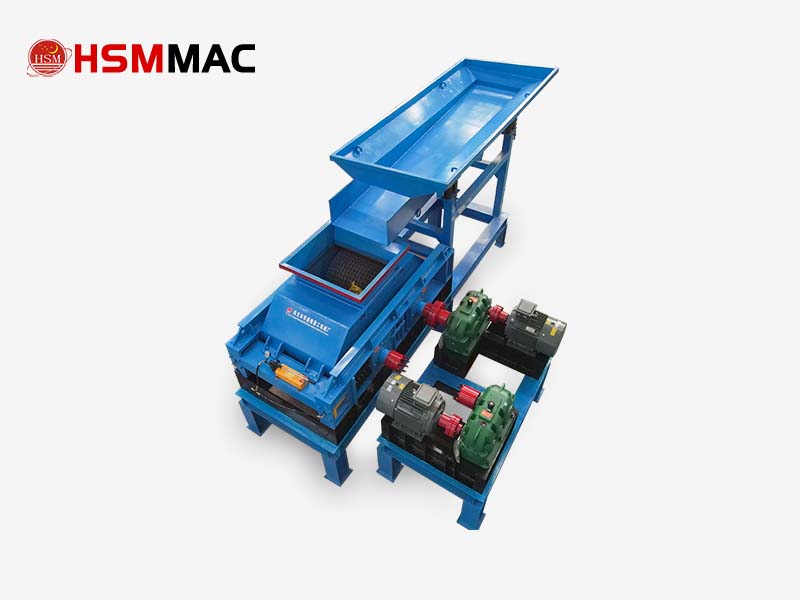
double roller crusher
The Mohs hardness is generally between 6.5 and 7. It is highly abrasive and is known in the industry as a “hard rock” ore. Due to this, many beneficiation plants frequently encounter the problem of equipment being unable to break, grinding too fast, and requiring continuous repairs during the crushing process. Facing such high-hardness and high-abrasiveness materials, users can’t help but wonder: Can the double roller crusher, especially the high-pressure double roller crusher (i.e., high-pressure roll mill), really “break” vanadium-titanium magnetite? The answer is yes – not only can it be broken down, but it can also be broken down steadily, efficiently and for a long time.The key lies in whether the equipment adopts a design that is truly suitable for hard rock conditions and is equipped with high wear resistance.
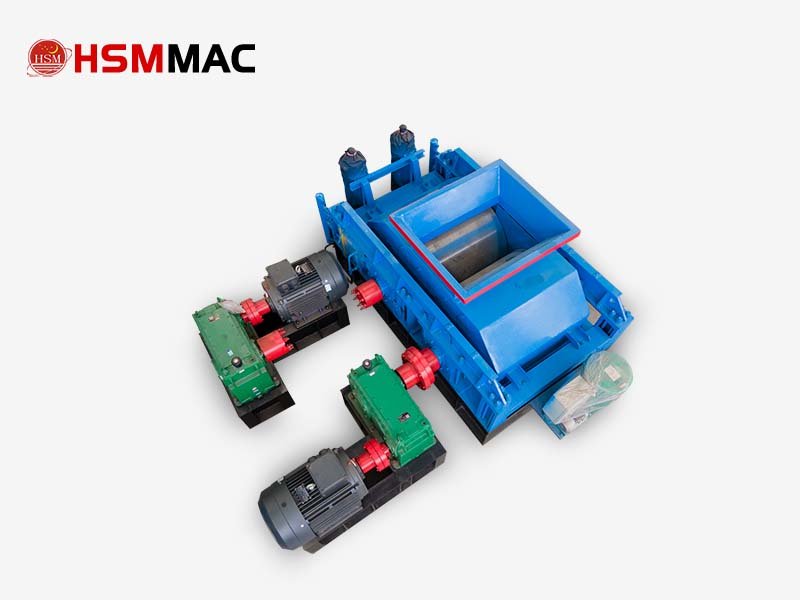
Roller Stone Crusher
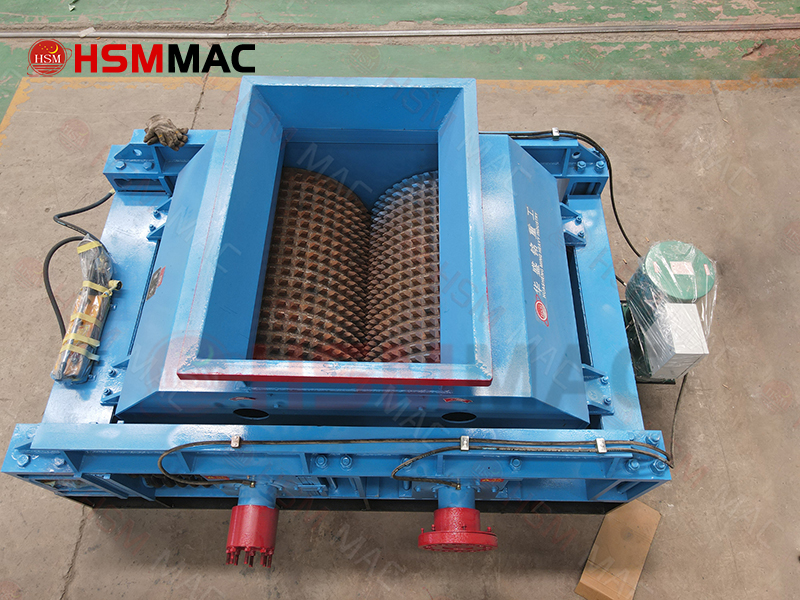
I.Principle Advantage: Static pressure laminating, specifically for “hard yet flexible” materials Traditional hammer crusher and impact crusher rely on high-speed impact force to crush materials. When dealing with vanadium-titanium magnetite, not only is the energy consumption high, but repeated impacts also cause rapid wear of the hammer heads and plate hammers, and even lead to “slippage” phenomena – hard minerals rebound and the crushing efficiency drops sharply. However, the high-pressure roll mill adopts the “static pressure laminating” principle. Through two high-strength alloy rolls applying several hundred tons of controllable static pressure to the materials, micro-cracks are generated inside and the material breaks along the grain boundaries by disintegration. This method does not rely on speed but on pressure, and is particularly suitable for dense, brittle but hard ores. Although vanadium-titanium magnetite is hard, it has a certain degree of brittleness, which makes this “using softness to overcome hardness” crushing method very suitable.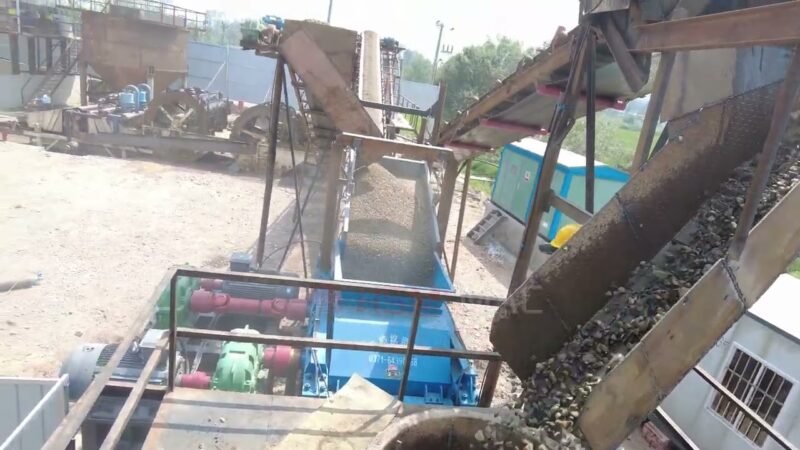
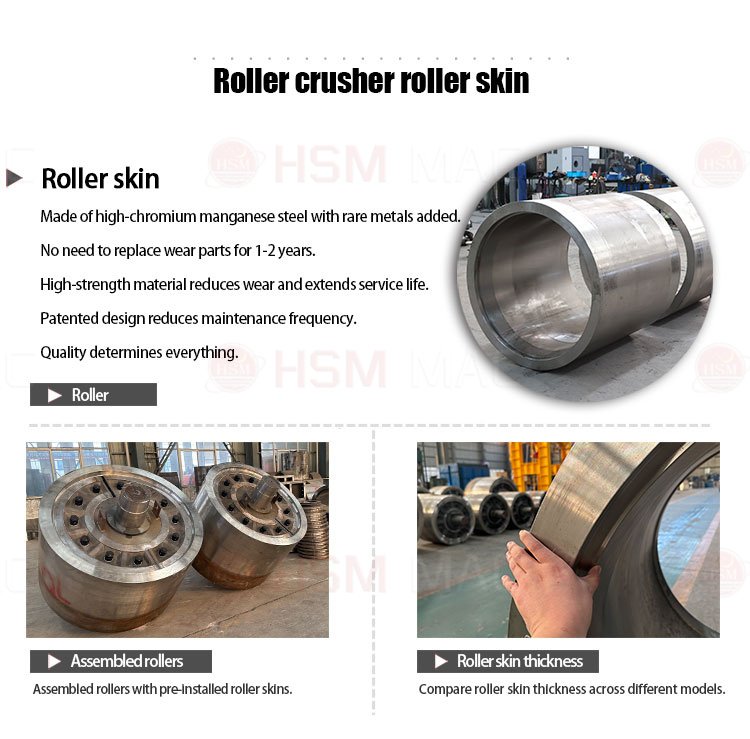
II. Core Guarantee: Super-durable roller coating, able to withstand wear and tear Whether it can be “grinded through” depends mainly on the roll coating. Ordinary carbon steel or low-alloy roll coatings are no match for vanadium-titanium magnetite, and they are worn smooth within just a few weeks. However, professional manufacturers such as Huashengming have developed high-maintenance solutions specifically for this type of ore: Overall cast steel roller skin made of high chromium-manganese alloy: By optimizing the ratios of alloy elements such as Cr, Mo, and Ni, and through special heat treatment, the structure is dense and the hardness is uniform (HRC 60+), featuring excellent wear resistance and impact resistance. Tungsten carbide column rivet embedded roller surface: The surface hardness is above HRA 86, resistant to erosion and peeling, forming a “armor-like” protective layer, specially designed for abrasive working conditions. The actual measurement shows that under the conditions of standard operation and uniform feeding, high-quality roller plates can operate stably in the vanadium-titanium magnetite mining process for 2 to 3 years, far exceeding the service life of the easily-damaged parts of traditional equipment. This means a significant reduction in the frequency of equipment shutdowns and maintenance, ensuring the continuity of the beneficiation process.
III. System Benefits: Energy conservation and consumption reduction, improvement of beneficiation efficiency The value of the high-pressure roll mill lies not only in its ability to crush, but also in its excellent crushing performance. The output particle size is uniform (typically adjustable from 1 to 8 mm), the over-crushing rate is low, and the particles are mostly in the cubic shape, providing ideal conditions for subsequent ball milling. Many vanadium-titanium magnetite beneficiation plants have reported that after introducing the high-pressure roll mill, the power consumption of the ball mill has decreased by 25% to 40%, achieving “more crushing with less grinding”, and the total system energy consumption has significantly decreased. At the same time, stable particle size helps to improve grinding efficiency and metal recovery rate, indirectly enhancing economic benefits.
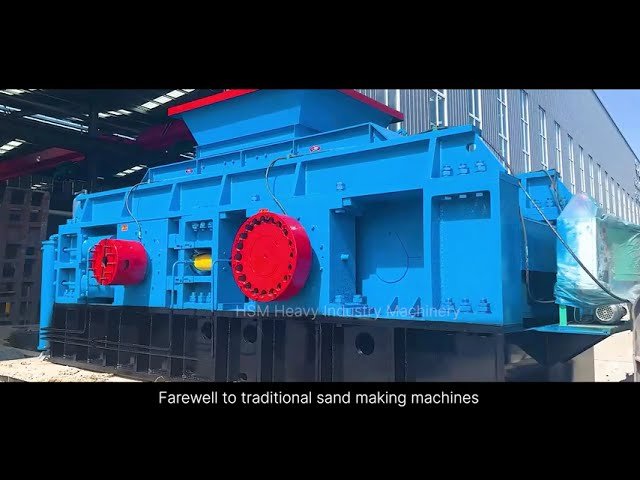
Double Roll Crusher
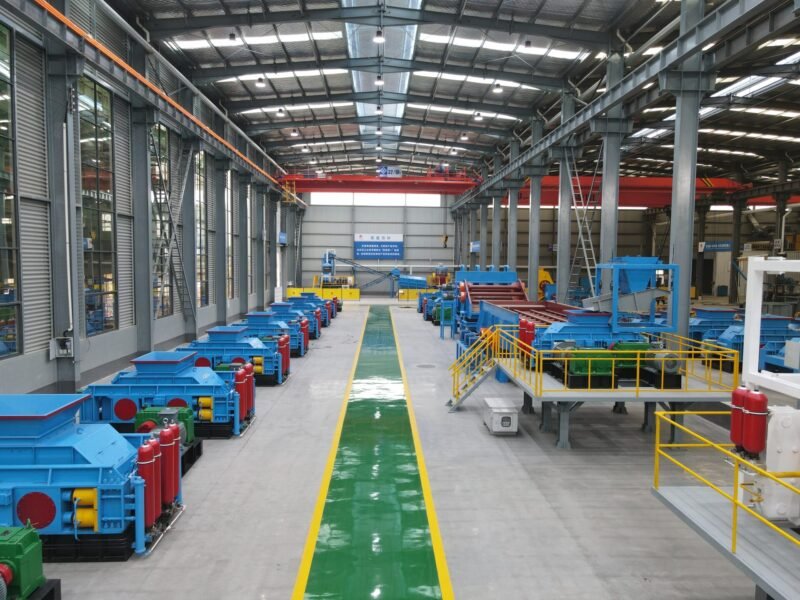
IV. Robust structure: Designed for heavy loads, capable of withstanding harsh conditions The entire equipment is made of Q345B high-strength steel plates welded frame; the main shaft and bearings are equipped according to heavy-load standards, combined with thin oil lubrication and multiple sealing systems to prevent the invasion of mineral powder and moisture. The fully enclosed structure not only reduces noise but also facilitates integrated dust removal, meeting environmental protection requirements. Even in the high-dust and high-load beneficiation environment, it can operate stably for a long time.
default
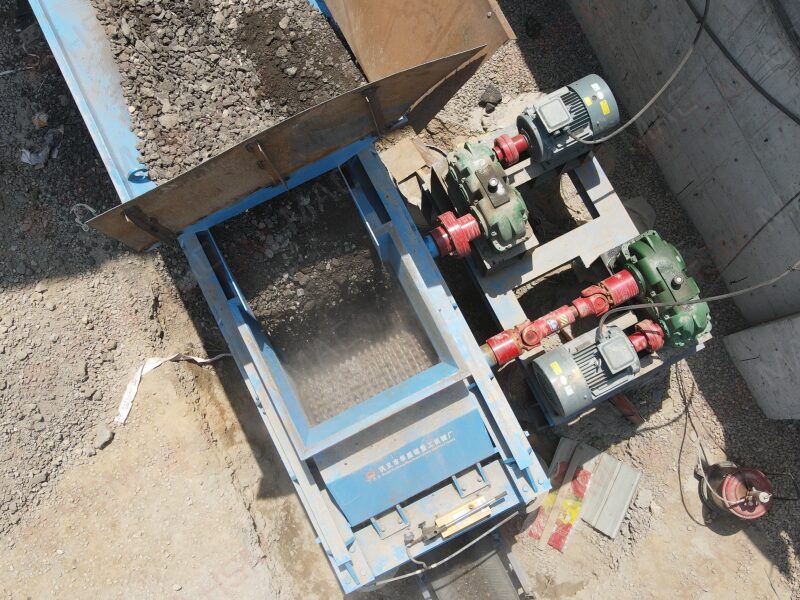
V. Real Verification: Multiple factories have successfully adopted this technology. At present, many large-scale vanadium-titanium magnetite ore processing plants in places such as Panzhihua in Sichuan Province and Chengde in Hebei Province have incorporated high-pressure roll mill into their standard fine crushing processes. Users generally report: “Previously, we had to replace the hammers twice a month. Now, the roller plates haven’t moved for two years, and we have saved a significant amount on electricity costs. The ball mill operation has also become much easier.” These real cases fully prove that this equipment is fully capable of handling the crushing tasks of vanadium-titanium magnetite ore.

Although vanadium-titanium magnetite is hard, it is not invincible. The high-pressure roll mill, with its scientific crushing principle, ultra-durable roller surface technology, reliable heavy-load structure and mature engineering application, has become an efficient, economical and sustainable solution for processing such high-hardness metal ores. For modern beneficiation plants that pursue quality improvement and efficiency enhancement, as well as green and low-carbon development, choosing a truly “capable of breaking through” professional equipment is not only a technological upgrade but also a crucial step towards high-quality development.
 +86-13838144666
 +86-13838144666