Sulfur, as a crucial basic chemical raw material, is widely used in fertilizers, rubber, gunpowder, pesticides, and battery manufacturing. However, during storage or transportation, sulfur is prone to forming hard lumps due to temperature changes, humidity effects, or prolonged stacking pressure. These lumps have a Mohs hardness of 2–3, which is not extremely hard, but their characteristics—high brittleness, low melting point (around 115°C), flammability, and tendency to soften or even melt when heated—pose unique challenges for crushing equipment. The equipment must be able to “break it apart” without being “too aggressive,” achieving high efficiency while controlling temperature and preventing explosions.
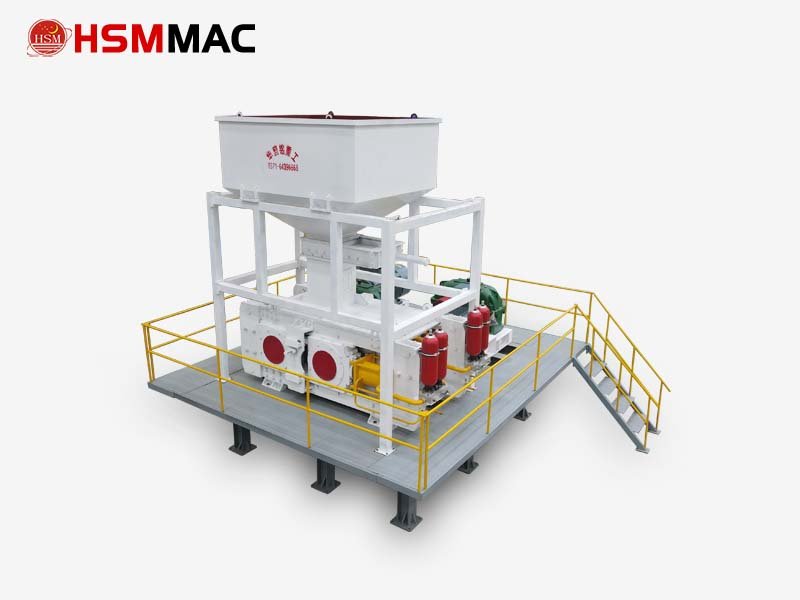
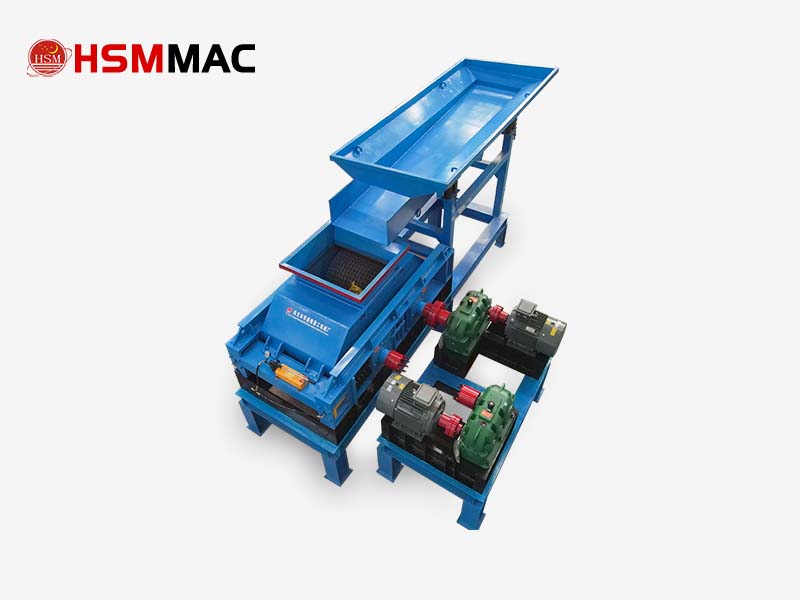
High Pressure Roller Crusher
Faced with this challenge, many users worry that traditional hammer crushers or jaw crushers, due to high-speed impact or local friction heat generation, might cause the sulfur to melt, adhere, block the chamber, or even create safety hazards. However, the High-Pressure Grinding Roll (HPGR), leveraging its unique mechanism of low-temperature, low-speed, static pressure crushing, proves to be an ideal choice for processing lump sulfur.
1. Static Pressure Laminated Crushing: Avoiding High Temperatures and Over-Crushing
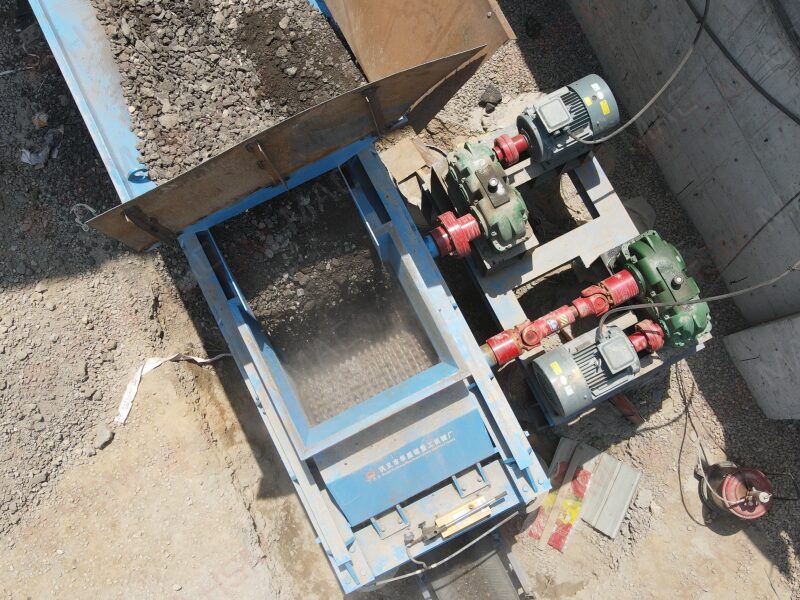
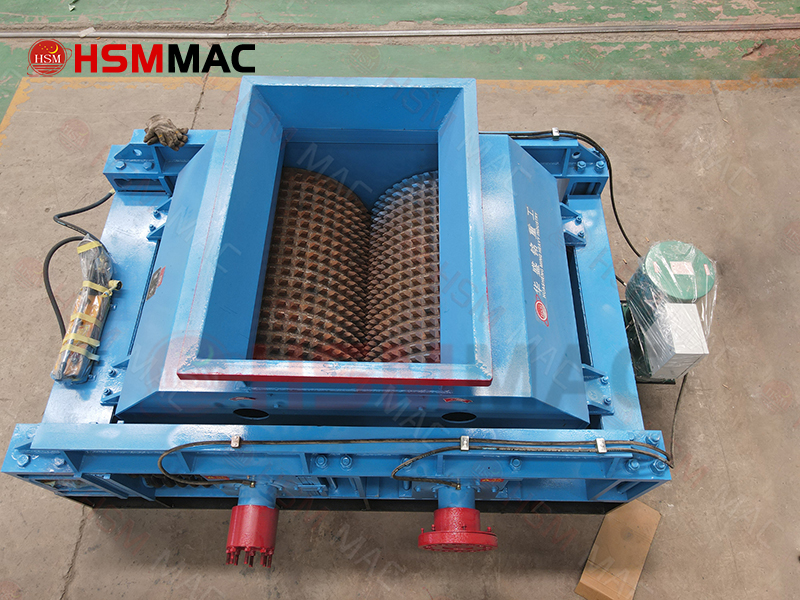
The HPGR uses two high-strength alloy rolls to apply controlled static pressure (typically 50–300 tons) to the material, causing the sulfur lumps to fracture along internal cracks and disintegrate. The entire process involves no high-speed rotating parts, no violent impacts, and no sparks. Frictional heat is low, and the temperature rise inside the crushing chamber usually does not exceed 10°C, far below the melting point of sulfur. This effectively prevents the material from softening, sticking to the rolls, or causing molten blockages.
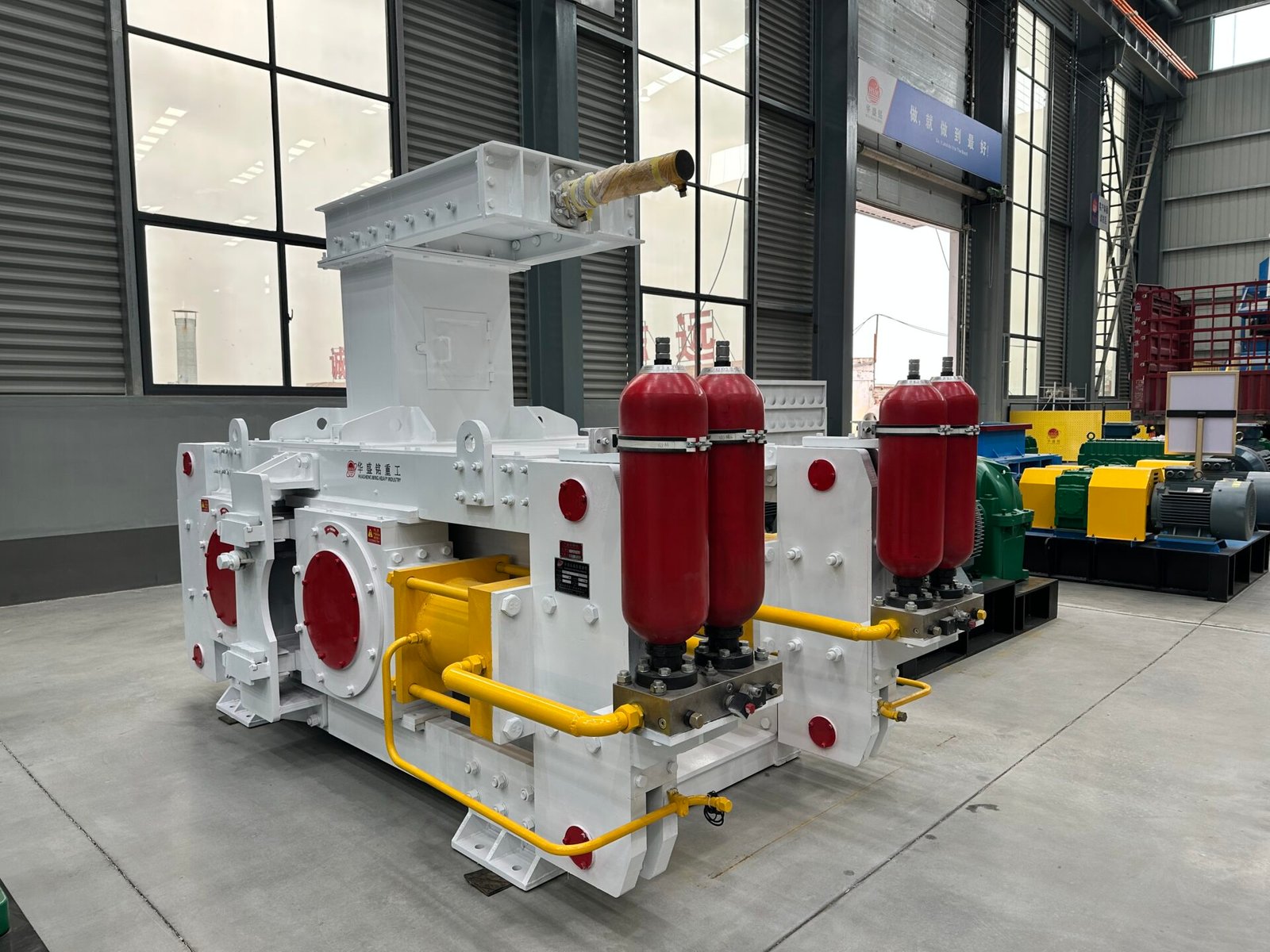
Simultaneously, because energy is concentrated on effective fracturing, the over-crushing rate is low (<5%). The output particles are mostly angular lumps or coarse powders, which are convenient for subsequent dissolution, granulation, or packaging, avoiding the safety and environmental risks associated with fine dust dispersion.
2. Full-Bin Feed Design: Stable, Efficient, and Non-Clogging
The equipment supports continuous full-bin feeding (feed size ≤50mm). The material forms a stable “material bed” within the crushing chamber. This not only improves crushing efficiency but also acts as a thermal insulation buffer, further reducing localized temperature rises caused by direct metal-to-metal contact. Even if the sulfur lumps are damp or have a slightly melted surface, they can pass through smoothly under the protection of the material bed, avoiding common problems found with traditional equipment like “screen clogging,” “hammer sticking,” or “rotor jamming.”
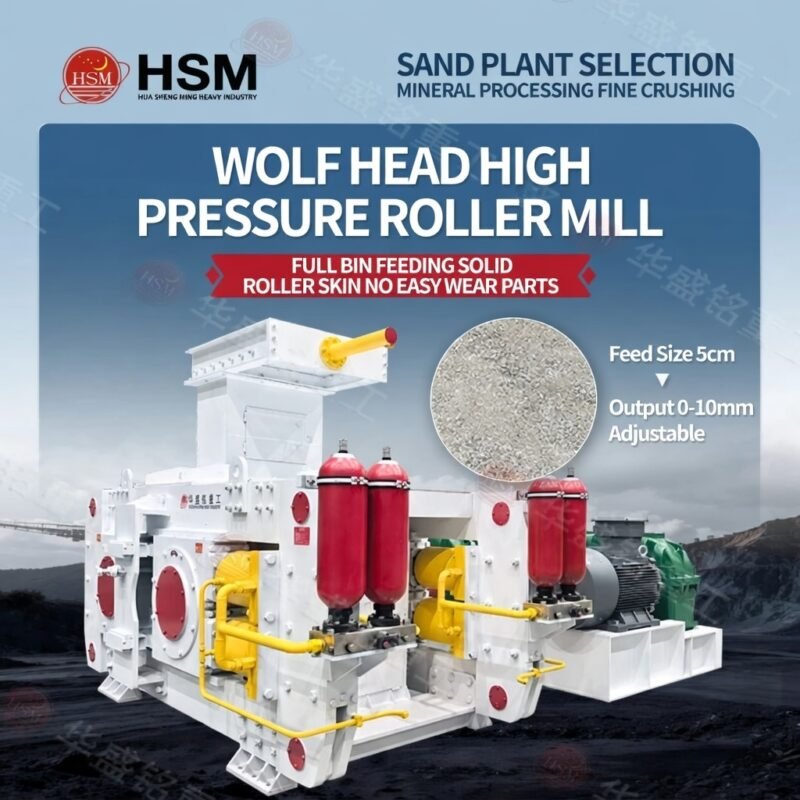
3. Material and Structure Adapted to Chemical Safety Requirements
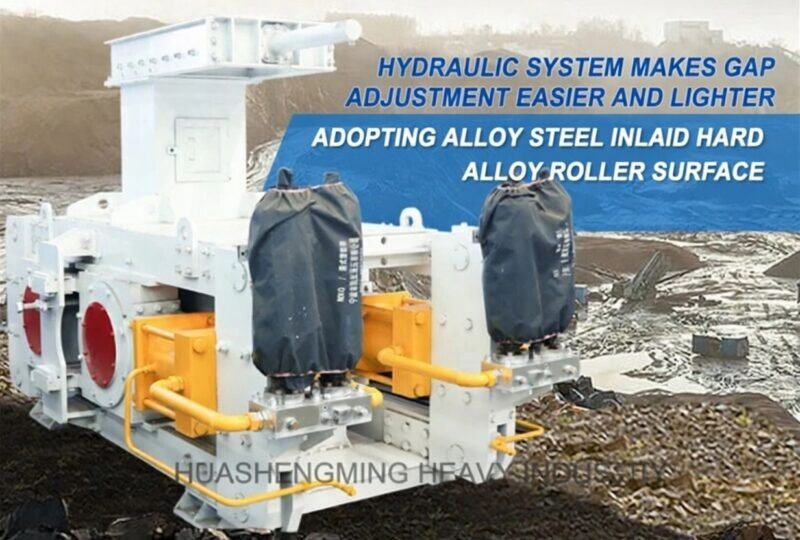
Addressing the mildly corrosive nature of sulfur (which produces SO₂ upon combustion, forming sulfurous acid when combined with water), key components of the equipment can be optionally made of 304 or 316L stainless steel. The roll skins are cast as an integral piece using corrosion-resistant high-chromium manganese steel, featuring a dense, non-porous surface that effectively resists acidic gas erosion. The entire machine features a fully enclosed structure, explosion-proof motors, and optional nitrogen protection interfaces, meeting the stringent safety standards of chemical plants for explosion-proof, anti-corrosion, and dust-proof requirements.
4. Intelligent Control Ensuring Continuous Operation
Equipped with a PLC control system, it supports functions like one-touch start/stop, current monitoring, overload relief, and temperature预警. If abnormal temperature rises or load fluctuations are detected, the system can automatically reduce frequency or shut down to ensure safety. Operators can monitor remotely from a control room, minimizing on-site exposure risks.
5. Practical Application Verification
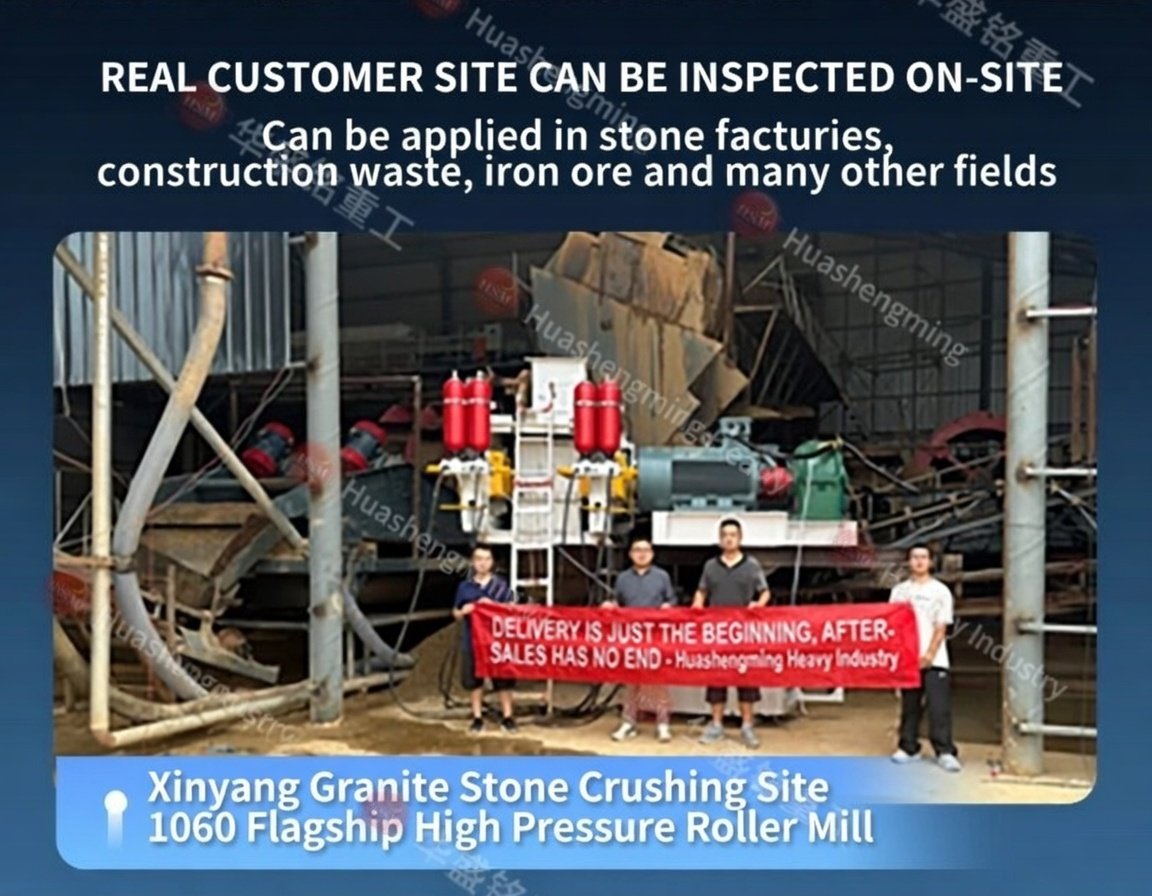
Currently, HPGRs have been successfully applied in several large domestic sulfur recovery plants and fertilizer enterprises to handle lump sulfur. User feedback indicates: “Previously using hammer crushers, clogging occurred as soon as temperatures rose in summer, requiring manual intervention. Now with the roll crusher, it runs stably all year round, the output is uniform, and dust is reduced.

Conclusion
Although lump sulfur is a special material, it is certainly not uncrushable. The High-Pressure Grinding Roll (HPGR), with its four major advantages—low-temperature crushing, spark-free operation, low over-crushing, and stable full-bin operation—is fully capable of handling the task of crushing lump sulfur. It is not just crushing equipment but a critical component ensuring safety, efficiency, and compliance in chemical production.
 +86-13838144666
 +86-13838144666