When processing wet raw bentonite prior to drying, selecting between a toothed double roll crusher and a hammer mill is a critical plant design choice. For standard “crush-first, dry-later” flowsheets, specialized toothed double roll crushers outperform hammer mills by eliminating chamber blinding, preventing material caking, and avoiding unscheduled maintenance stops. This article presents a comprehensive comparison of working mechanisms, operational metrics, and practical sizing guidelines from Huashengming (HSM) Heavy Industry.
Direct conclusion: For wet bentonite operating under a “crush-first, dry-later” flowsheet, choose a toothed double roll crusher. If your raw feed is consistently pre-dried upstream and high dust generation is acceptable, hammer mills retain a specific engineering niche. The decision hinges not on initial price tags, but on whether your plant crushed raw material “wet” or “dry” 【Custom Parameters Available】.
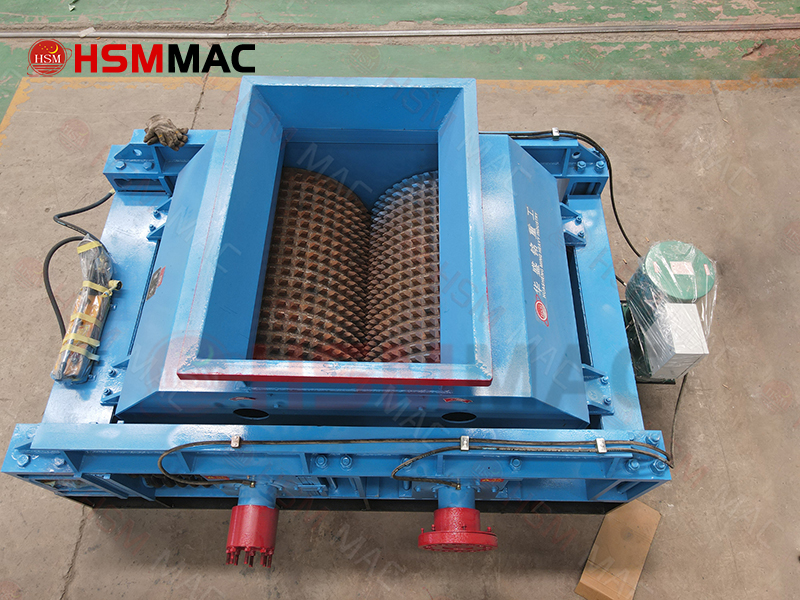
HSM Toothed Double Roll Crusher
1. Why Hammer Mills Struggle on Wet Clay
Bentonite is a soft montmorillonite clay mineral that swells and turns sticky upon contact with water. When wet raw bentonite strikes high-speed rotating hammers, it is not cleanly fractured; instead, it compacts into dense clay cakes that adhere to hammer faces, liner plates, and internal discharge grates. As grate slots blind, throughput drops rapidly, eventually forcing complete plant shutdowns for manual cleanout. Maintenance crews operating hammer mills on wet clay frequently waste valuable shift hours scraping compacted clay cakes from internal chambers—hours that directly represent lost production tonnage.
The Toothed Double Roll Crusher Approach:
- Low-Speed Compression & Shear: Generates zero frictional heat and avoids compaction, preventing wet clay from caking onto chamber walls.
- Open Chamber Without Grate Bars: Crushing occurs strictly at the inter-roll gap with no restricted internal spaces or classifier screens to blind.
- Positive Toothed Engagement: Heavy-duty roll teeth bite into plastic clay masses, tearing them into manageable chunks and dragging them through the nip zone. Smooth rolls slip on wet clay, whereas toothed rolls maintain positive traction.
In summary: Hammer mills rely on high-velocity impact (which compacts wet clay), whereas toothed roll crushers rely on positive gripping and tearing (which pulls wet clay through cleanly).
2. Six-Point Performance Comparison (Wet Bentonite Duty)
| Comparison Metric | Toothed Double Roll Crusher | Hammer Mill |
|---|---|---|
| Blinding & Caking | Virtually zero (open chamber, low speed) | High (blinds hammer faces and grate bars) |
| Cleanout Downtime | Minimal (scheduled preventive maintenance) | Frequent (unplanned shifts lost to clearing cakes) |
| Over-Crushing & Fines | Low (discharges immediately upon reaching gap size) | High (excess fine powder and high dust emissions) |
| Swelling Capacity Impact | Gentle reduction preserves activated clay structure | High impact and thermal loads risk degradation |
| Specific Energy ($kWh/t$) | Low (efficient single-pass tearing) | Higher (high rotor windage and kinetic loss) |
| Initial Equipment Capital | Moderate-High | Low |
3. When Hammer Mills Remain Viable
To provide complete engineering clarity, hammer mills can be effective under two specific conditions:
- Consistently Pre-Dried Feed: Raw material is thermally dried prior to crushing, eliminating surface moisture and stickiness.
- Direct Fine Sizing Without Milling: Operations seeking to produce fine product directly from a single crushing stage without downstream grinding mills, where dust is acceptable.
However, the vast majority of industrial bentonite plants crush raw ore prior to drying (“crush-first, dry-later”). In this standard flowsheet, wet crushing heavily favors toothed double roll machinery.
4. Two Critical Operational Guidelines
- 1. Saturated Mud Handling: While toothed roll crushers tolerate high surface moisture exceptionally well, extremely saturated, liquid-plastic clay benefits from partial air-drying or blending with dried refeed material. Send us your moisture content specifications and we will confirm feasibility based on actual plant data 【Custom Parameters Available】.
- 2. Toothed Surfaces Are Non-Negotiable: Smooth roll shells will slip and idle on wet bentonite. Specifying specialized toothed roll geometries is a mandatory baseline requirement for reliable wet clay processing.

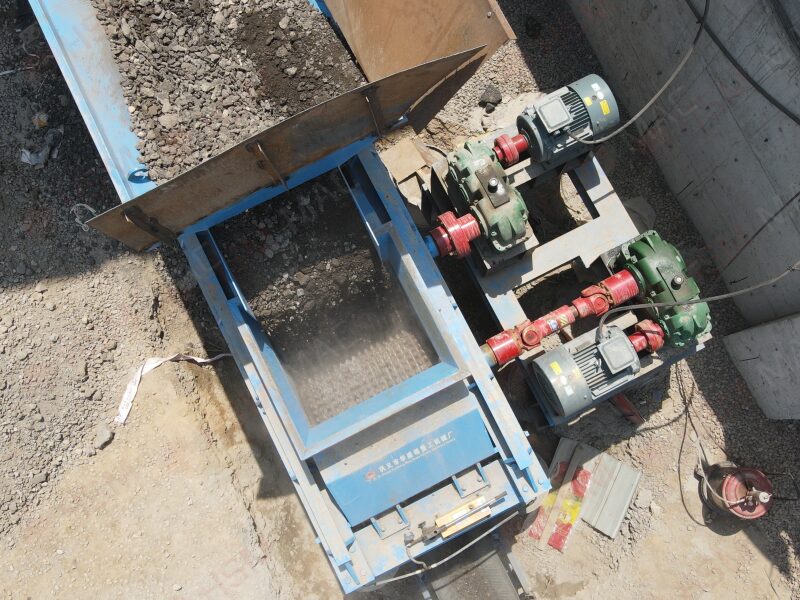
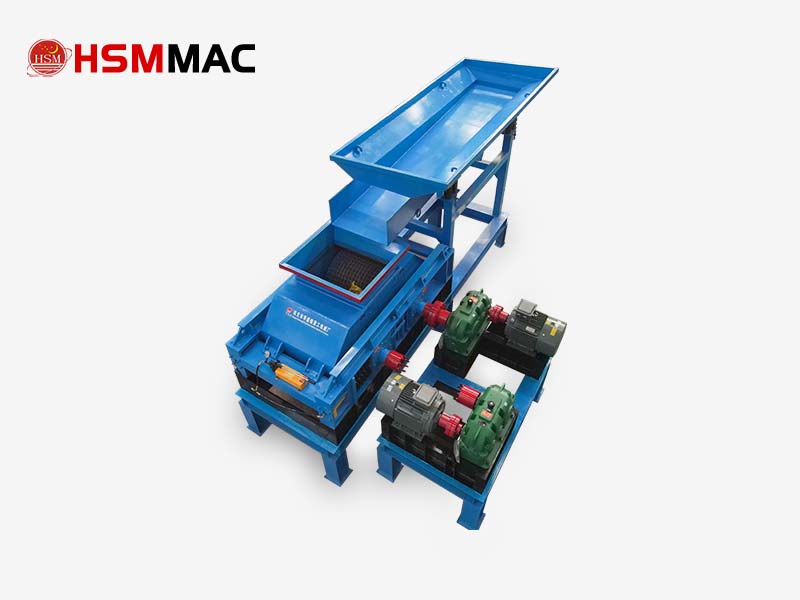
Materials Suitable for Tooth Roller Crushers
5. Four Parameters Needed for Sizing
To receive a precise engineering proposal and quotation for wet bentonite crushing, please provide:
- Bentonite Moisture Range: (Typical surface moisture percentage of raw mine feed)
- Maximum Feed Lump Dimensions: (As-mined lump sizes entering the crusher)
- Target Finished Gradation: (Rotary dryer or grinding mill feed top size specifications)
- Design Capacity: (Tons per hour target)
Providing these four metrics allows Huashengming to specify exact equipment models, motor ratings, and specialized toothed roll configurations 【Custom Parameters Available】.
Referenced process descriptions serve as engineering guidelines; specific performance parameters are governed by official project customization agreements.
 +86-13838144666
 +86-13838144666