On-Site Roll Shell Repair: Huashengming Roll Shell Turning Device Gives Worn Roll Shells a New Life, Reducing Costs and Increasing Efficiency for Sand & Gravel Plants and Mining Enterprises
- 2026-06-03
- Huashengming Machinery
On-Site Roll Shell Repair Equipment
On-site roll shell repair equipment: restores roll shells without disassembly, reduces downtime.
A smart, on-site roll shell repair solution using a portable turning device to restore roll roundness and profile, minimizing downtime and unlocking maximum crushing efficiency for your plant.
On-site roll shell repair: In sand and gravel plants and mining production lines, the double roll crusher is almost an indispensable core piece of equipment. The roll shell, as a critical wear part, directly affects the efficiency of the entire production line through its service life and repair costs. Faced with a pair of high-quality roll shells that come at a significant price, many managers often find themselves in a dilemma: replacing them with new shells requires a high investment; continuing to use the worn ones leads to equipment vibration and unstable discharge, severely disrupting production.
In fact, in many cases the roll shell does not lack overall thickness; rather, its surface has become uneven, with grooves or pits, losing its required roundness. The Huashengming ron-site roll shell repair is designed precisely to solve this problem.
**I. Pain points of traditional roll shell maintenance methods**
In the traditional approach, when the roll shell is worn, the entire machine must be disassembled, the heavy roller transported to the manufacturer for turning repair, and then brought back for installation. This process consumes a great deal of labor and transportation costs, and also results in long downtime. Large rollers are inconvenient to transport, the repair cycle is long, production schedules are delayed, and the stability of the turning process is difficult to guarantee, leading to reduced roll surface roundness. These issues have long troubled equipment maintenance in sand and gravel plants.
**II. Value of the turning device in repairing and reusing old parts**
The Huashengming roll shell turning device is particularly outstanding in its ability to repair and reuse worn parts. Many roll shells that appear “scrapped” are actually discarded prematurely simply because the surface has become worn and deformed, while the overall structure and thickness remain intact. Through turning repair, these roll shells can continue to be used, and a single roll shell can have its cumulative service life greatly extended after multiple turning repairs.
This method has a significant effect on cost control. It eliminates the cumbersome steps of disassembly, hoisting, transportation, and outsourcing that characterize traditional maintenance, greatly reducing labor costs and time investment.
Take a common pair of roll shells as an example: with the traditional method, from disassembly, outward transport, repair, to return and reinstallation, the downtime often lasts several days or even longer. This not only affects production schedules but also adds extra transportation and labor expenses. With the Huashengming turning device, repair can be performed directly at the production site, allowing the equipment to resume operation as quickly as possible. This maintains continuous operation of the production line while extending the service life of the roll shells, achieving multiple benefits at once.
**III. What problems can the roll shell turning device solve?**
1. **Uneven roll surface wear, bumps and hollows.**
After long-term material extrusion, the roll shell is prone to eccentric wear, pits, raised spots, and pitted surfaces, leading to uneven discharge particle size, increased recirculating load, and reduced crushing output. Turning restores roll surface roundness, flatness, and coaxiality, ensuring a uniform gap between the two rolls.
2. **Out-of-roundness and excessive runout.**
Wear or thermal deformation can cause the roll shell to become elliptical, locally sunken, or to exhibit increased runout, resulting in equipment vibration, bearing overheating, abnormal noise, and shortened equipment life. Turning restores true circularity, smooth operation, and reduces energy consumption.
3. **Excessive surface roughness or slippage.**
If the roll surface is too rough or too smooth, material slippage occurs, feed engagement becomes unstable, and productivity drops. Turning adjusts the surface to the appropriate roughness, restoring friction and crushing force.
4. **Low‑cost, rapid repair without disassembly.**
Traditional repair requires disassembly of the roll, removal of bearings, and outsourcing of machining, a process that is time‑consuming and expensive. The turning device is mounted directly on the equipment, and the roller is rotated slowly in reverse on‑site for turning. Production is not stopped or is stopped for only a short time, saving labor, reducing disassembly and assembly costs, and shortening repair time.
5. **Extending roll shell life and stabilizing product quality.**
Timely turning repair prevents minor wear from developing into major damage or scrap, thereby extending roll shell service life. A stable roll surface ensures that discharge particle size, particle shape, and output meet requirements, reducing the rate of non‑conforming products.
the smart solution to restore roll shells without disassembly, cut downtime, and maximize equipment value.
On-site roll shell repair: In sand and gravel plants and mining production lines, the double roll crusher is almost an indispensable core piece of equipment. The roll shell, as a critical wear part, directly affects the efficiency of the entire production line through its service life and repair costs. Faced with a pair of high-quality roll shells that come at a significant price, many managers often find themselves in a dilemma: replacing them with new shells requires a high investment; continuing to use the worn ones leads to equipment vibration and unstable discharge, severely disrupting production.
In fact, in many cases the roll shell does not lack overall thickness; rather, its surface has become uneven, with grooves or pits, losing its required roundness. The Huashengming ron-site roll shell repair is designed precisely to solve this problem.
**I. Pain points of traditional roll shell maintenance methods**
In the traditional approach, when the roll shell is worn, the entire machine must be disassembled, the heavy roller transported to the manufacturer for turning repair, and then brought back for installation. This process consumes a great deal of labor and transportation costs, and also results in long downtime. Large rollers are inconvenient to transport, the repair cycle is long, production schedules are delayed, and the stability of the turning process is difficult to guarantee, leading to reduced roll surface roundness. These issues have long troubled equipment maintenance in sand and gravel plants.
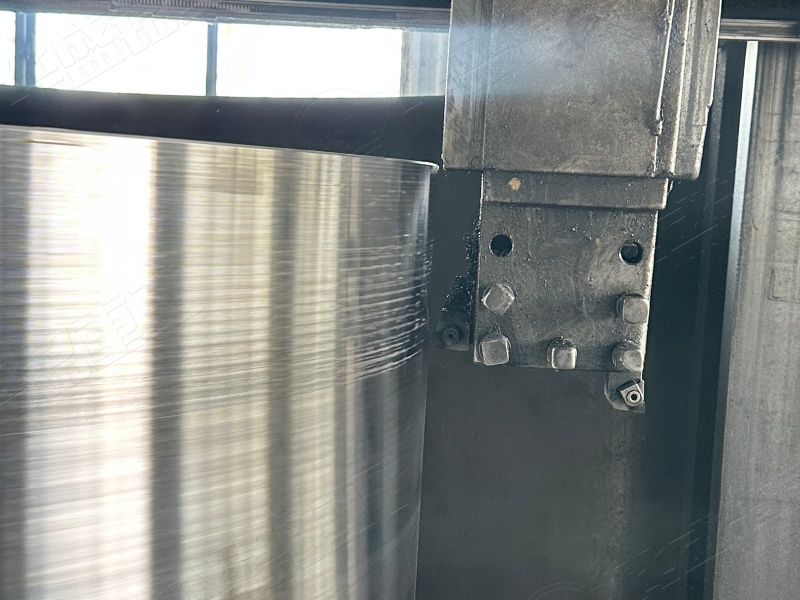
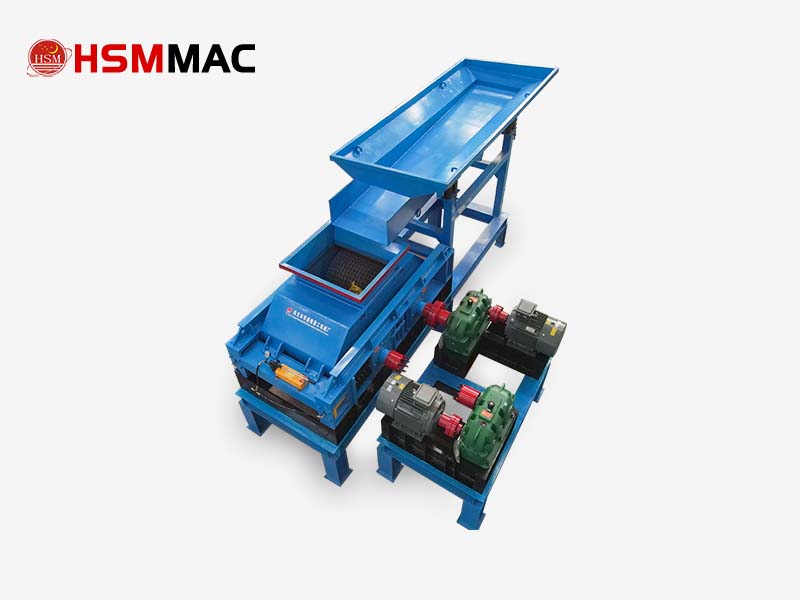
Actual photo of the roll shell turning device
**II. Value of the turning device in repairing and reusing old parts**
The Huashengming roll shell turning device is particularly outstanding in its ability to repair and reuse worn parts. Many roll shells that appear “scrapped” are actually discarded prematurely simply because the surface has become worn and deformed, while the overall structure and thickness remain intact. Through turning repair, these roll shells can continue to be used, and a single roll shell can have its cumulative service life greatly extended after multiple turning repairs.
This method has a significant effect on cost control. It eliminates the cumbersome steps of disassembly, hoisting, transportation, and outsourcing that characterize traditional maintenance, greatly reducing labor costs and time investment.
Take a common pair of roll shells as an example: with the traditional method, from disassembly, outward transport, repair, to return and reinstallation, the downtime often lasts several days or even longer. This not only affects production schedules but also adds extra transportation and labor expenses. With the Huashengming turning device, repair can be performed directly at the production site, allowing the equipment to resume operation as quickly as possible. This maintains continuous operation of the production line while extending the service life of the roll shells, achieving multiple benefits at once.
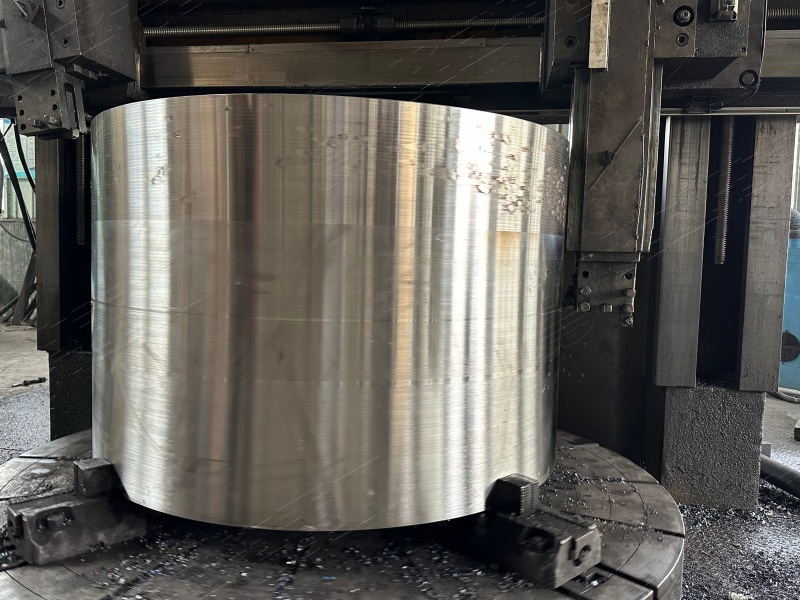
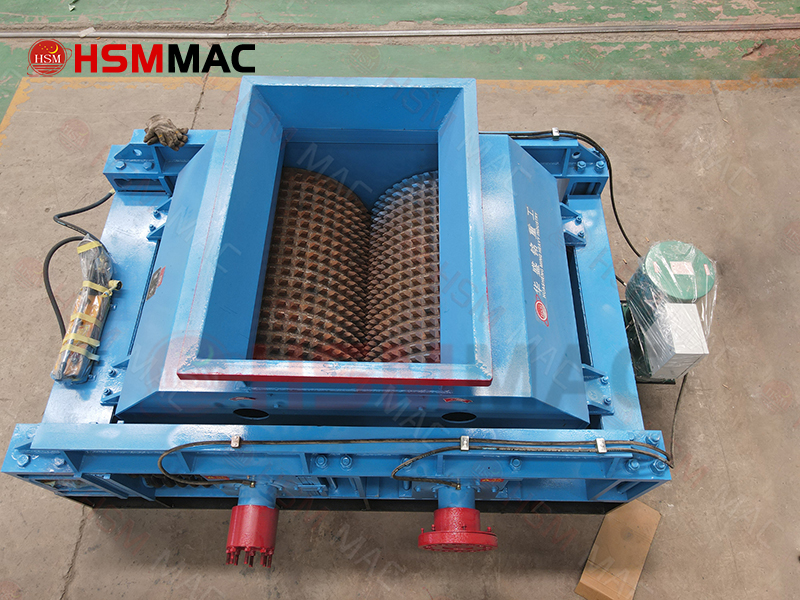
Actual photo of the roll shell turning device repairing the roll shell
**III. What problems can the roll shell turning device solve?**
1. **Uneven roll surface wear, bumps and hollows.**
After long-term material extrusion, the roll shell is prone to eccentric wear, pits, raised spots, and pitted surfaces, leading to uneven discharge particle size, increased recirculating load, and reduced crushing output. Turning restores roll surface roundness, flatness, and coaxiality, ensuring a uniform gap between the two rolls.
2. **Out-of-roundness and excessive runout.**
Wear or thermal deformation can cause the roll shell to become elliptical, locally sunken, or to exhibit increased runout, resulting in equipment vibration, bearing overheating, abnormal noise, and shortened equipment life. Turning restores true circularity, smooth operation, and reduces energy consumption.
3. **Excessive surface roughness or slippage.**
If the roll surface is too rough or too smooth, material slippage occurs, feed engagement becomes unstable, and productivity drops. Turning adjusts the surface to the appropriate roughness, restoring friction and crushing force.
4. **Low‑cost, rapid repair without disassembly.**
Traditional repair requires disassembly of the roll, removal of bearings, and outsourcing of machining, a process that is time‑consuming and expensive. The turning device is mounted directly on the equipment, and the roller is rotated slowly in reverse on‑site for turning. Production is not stopped or is stopped for only a short time, saving labor, reducing disassembly and assembly costs, and shortening repair time.
5. **Extending roll shell life and stabilizing product quality.**
Timely turning repair prevents minor wear from developing into major damage or scrap, thereby extending roll shell service life. A stable roll surface ensures that discharge particle size, particle shape, and output meet requirements, reducing the rate of non‑conforming products.
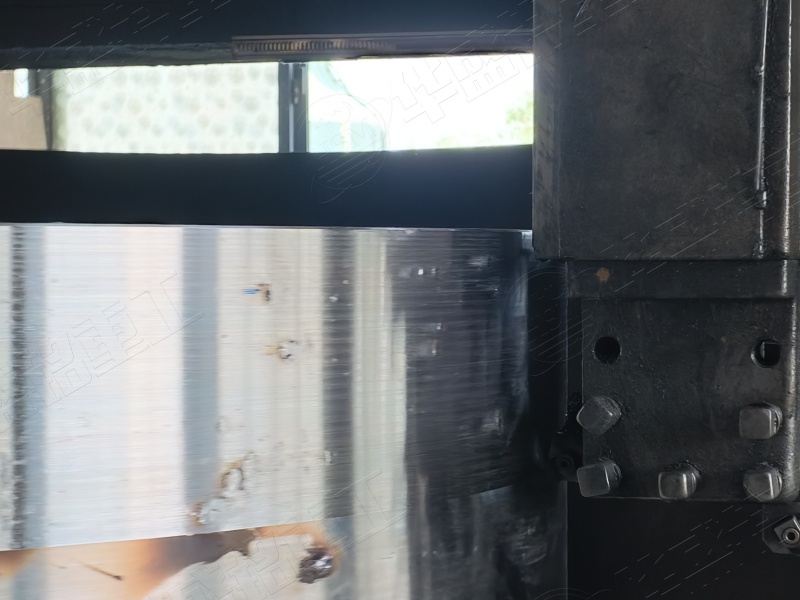
Effect photo of the roll shell turning device repairing the roll shell
**IV. Conclusion**
For sand and gravel plants and mining enterprises that pursue long‑term benefits, repairing roll shells by turning not only addresses immediate equipment wear issues, but also represents a cost‑conscious production strategy. It ensures that every investment is used where it matters most, avoids unnecessary spare parts expenses, and maintains the continuity of the production line.
stop losing roll shell life to uneven wear and costly downtime.
On-site roll shell repair: our specialized team is ready to assess your roll shell wear and provide a tailored restoration solution matching your plant’s operating conditions. Reach out today for a custom repair blueprint.
Get on-site roll shell repair equipment – contact us today.
 +86-13838144666
 +86-13838144666