How a medium sand plant used the 2PGY1000×1000 hydraulic roll crusher to efficiently crush abrasive river pebbles, cut energy use, and lower operating costs。 Project Background & Challenge A plant producing 800,000 t/year of manufactured sand had long processed river pebbles (Mohs hardness &g……
How a medium sand plant used the 2PGY1000×1000 hydraulic roll crusher to efficiently crush abrasive river pebbles, cut energy use, and lower operating costs。
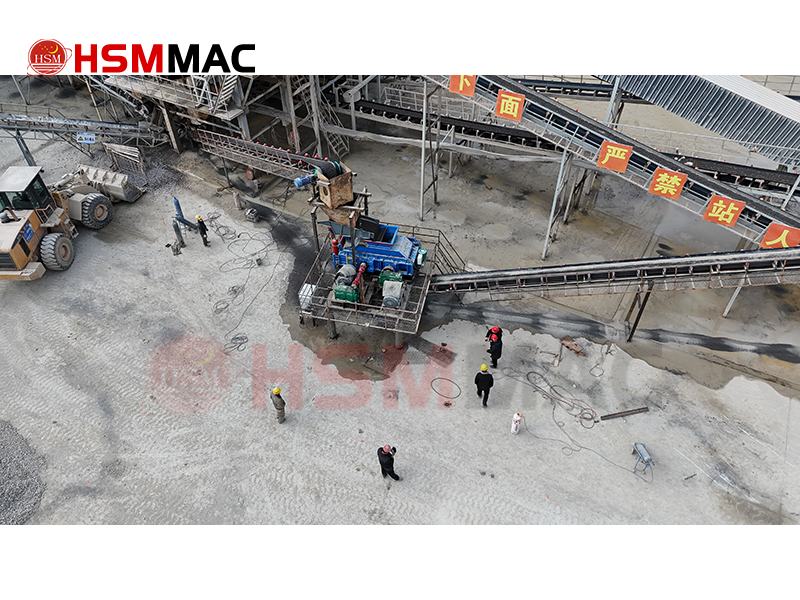
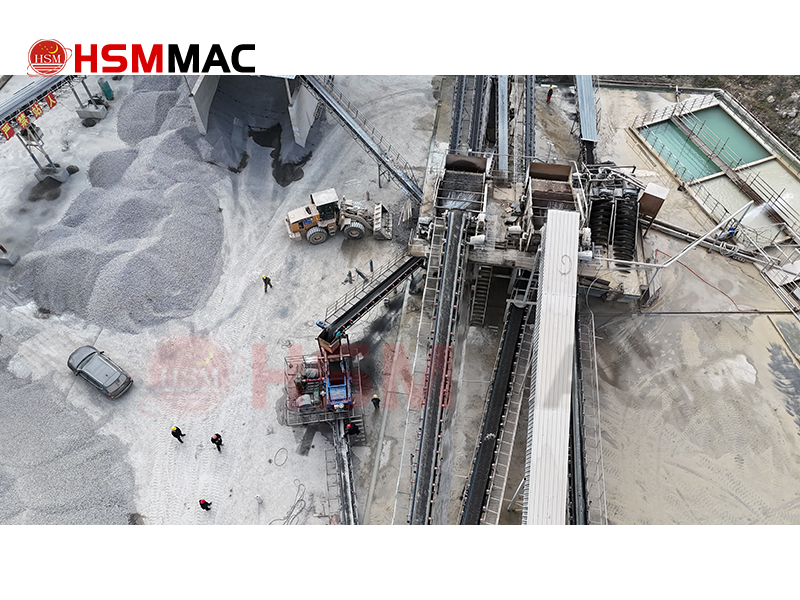
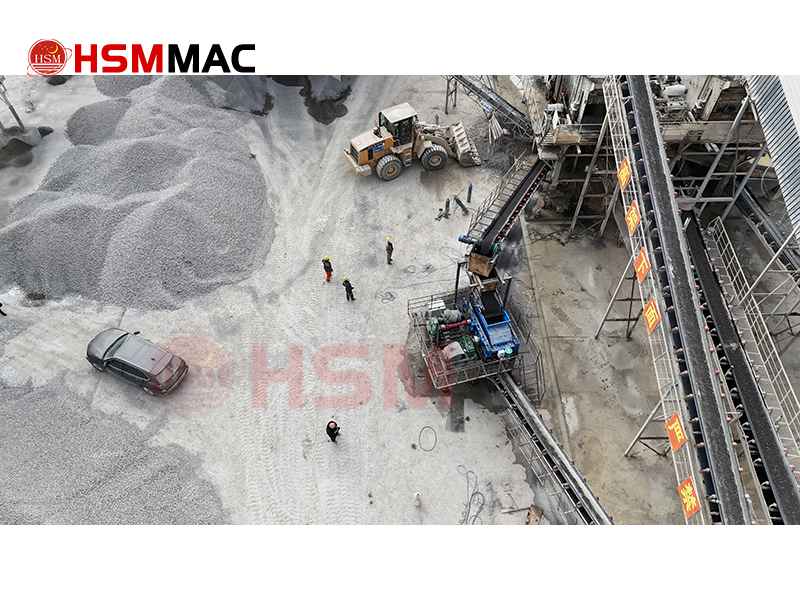
A plant producing 800,000 t/year of manufactured sand had long processed river pebbles (Mohs hardness >7, high silica). Before the roll crusher, it used a three‑stage process: jaw, cone, and VSI crusher. Three major problems existed:
High energy consumption: The VSI drive system consumes a significant amount of electricity per tonne of sand, accounting for a large portion of total plant power draw.
Poor particle shape & excessive fines: Flaky particles reached 18%, and fines exceeded 15%, hurting concrete workability and requiring extra dedusting.
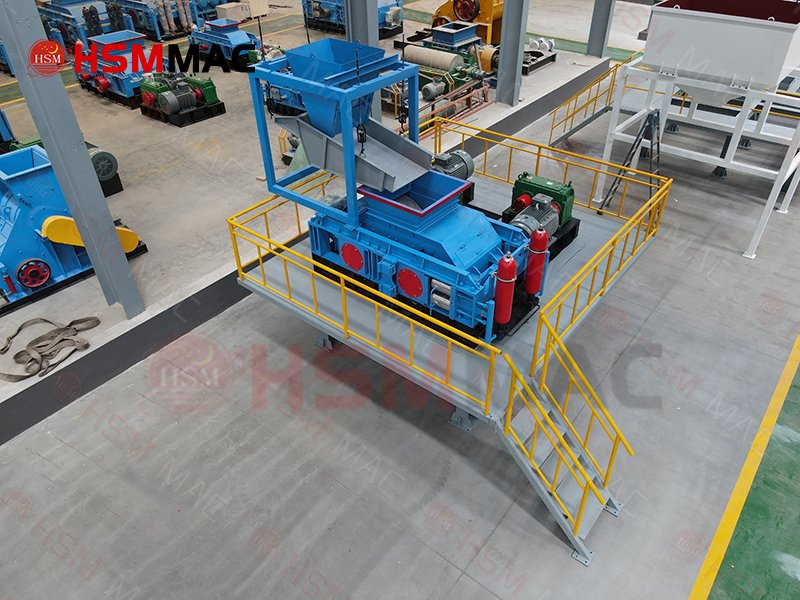
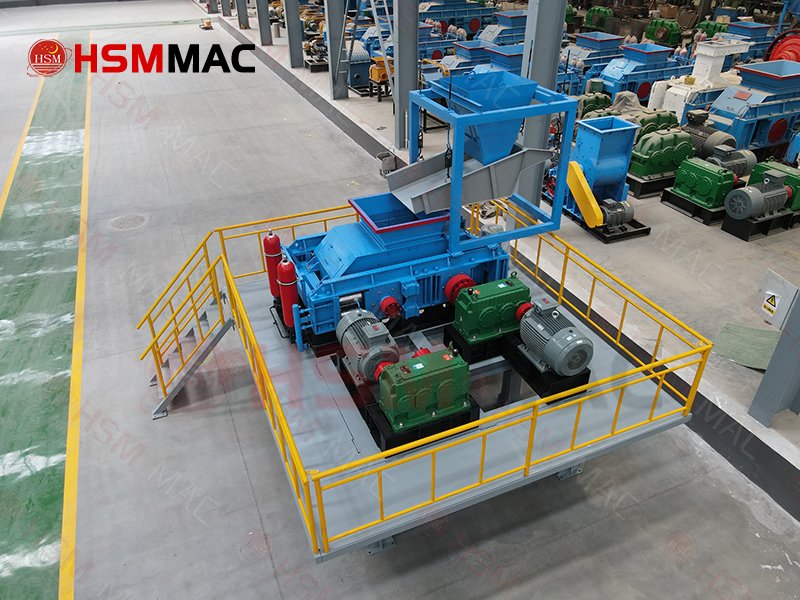
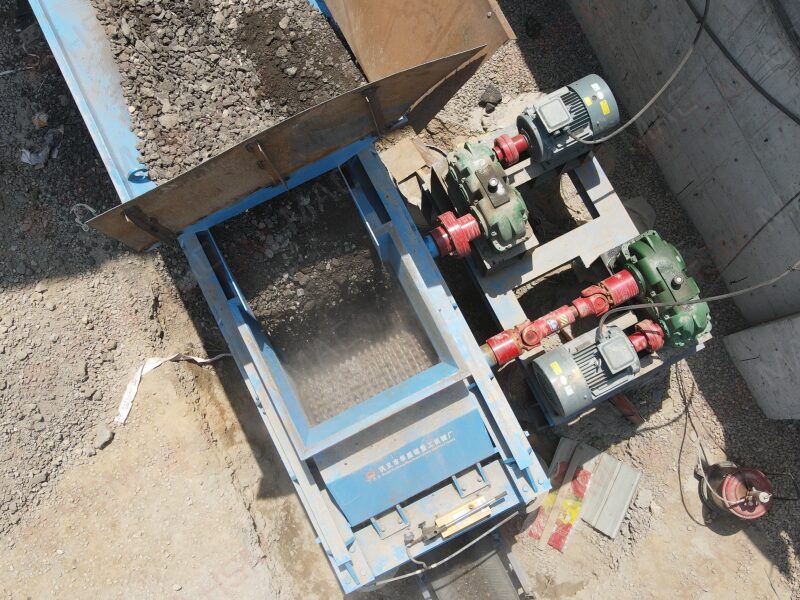
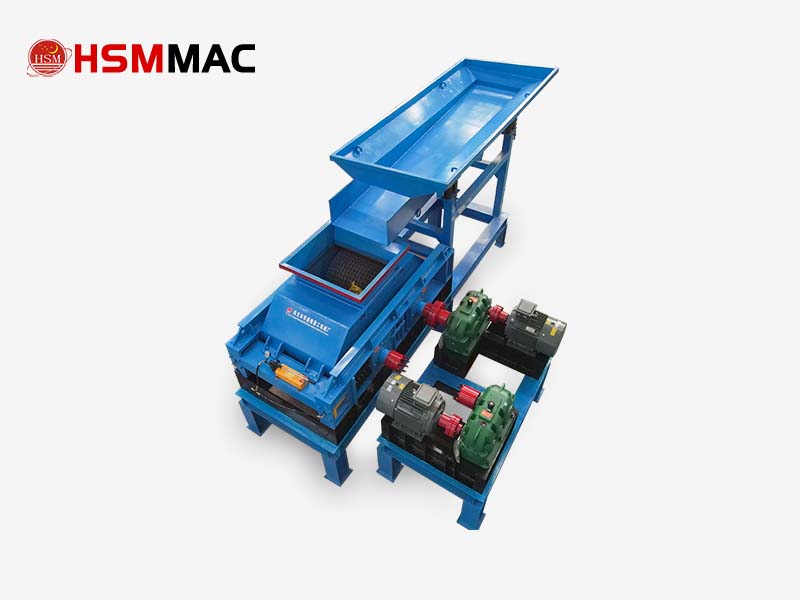
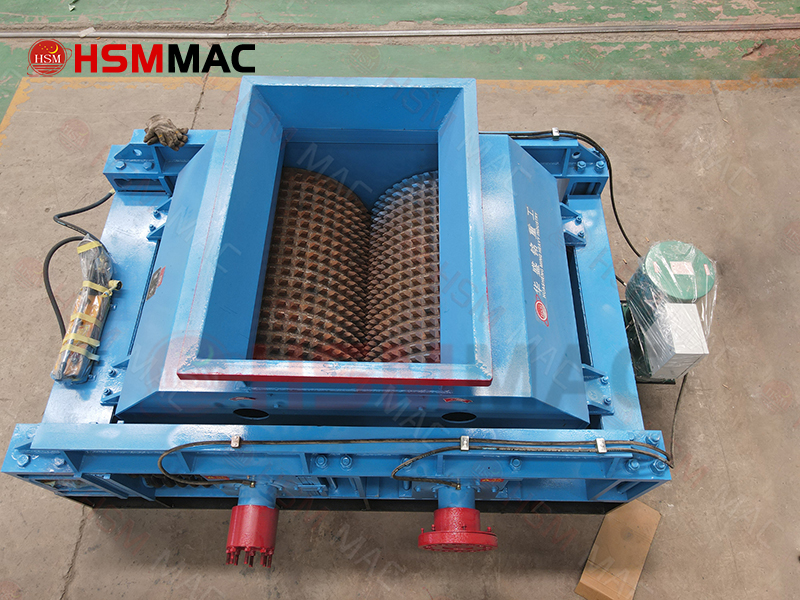
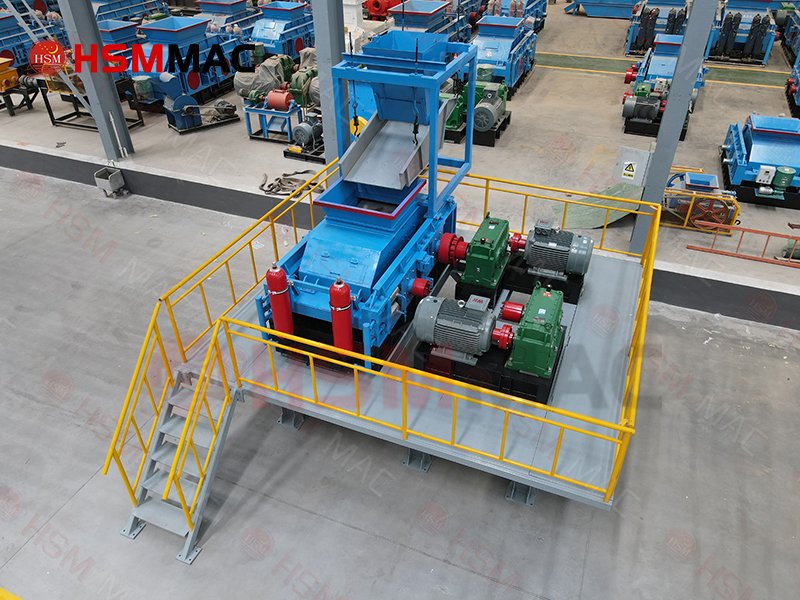
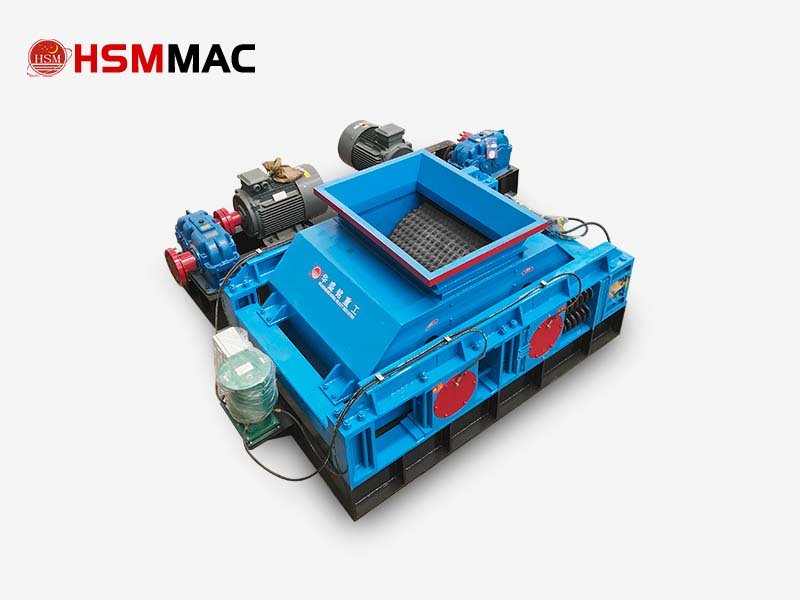
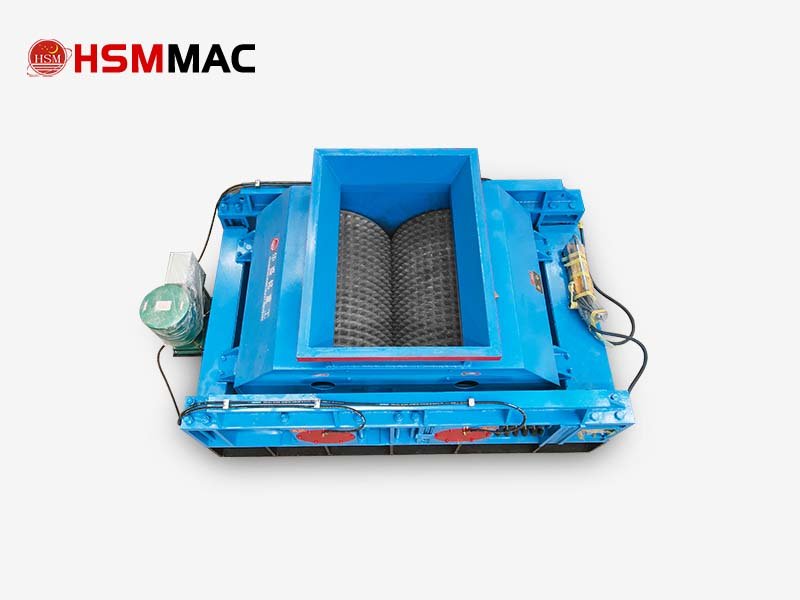
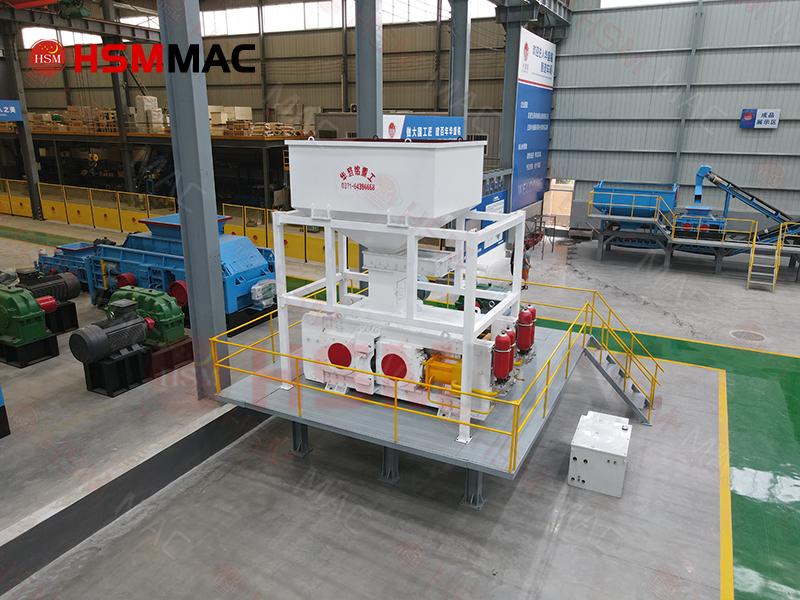
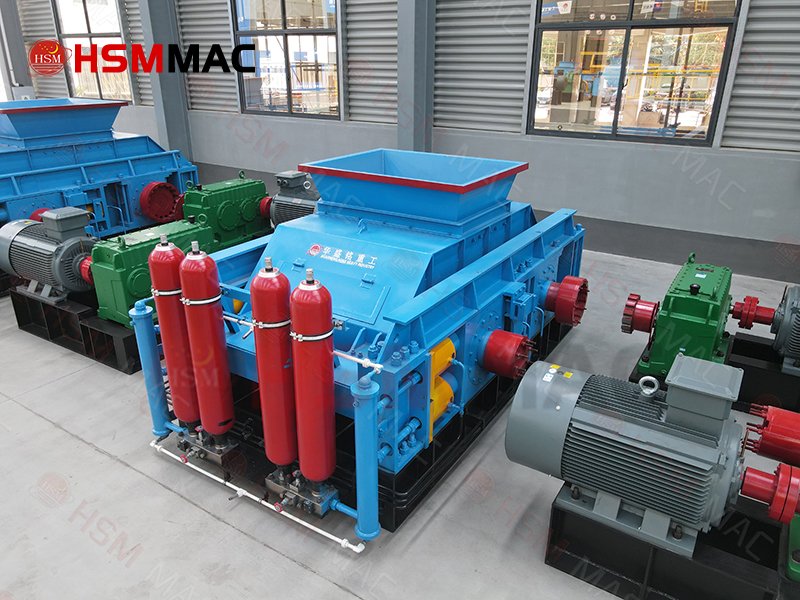
The plant replaced the VSI with one 2PGY1000×1000 roll crusher (roll diameter × width: 1000×1000 mm, two 132 kW motors). Material (<30 mm from cone crusher) is crushed by static compression between the two rolls:
Dual motor drive + hydraulic system: Two 132 kW motors drive fixed and moving rolls in opposite rotation. An intelligent hydraulic cylinder adjusts the gap (1–8 mm steplessly). Material is compressed at up to 300 MPa, fracturing along grain boundaries with micro‑cracks – pure interparticle crushing, no metal impact wear.
Wear‑resistant roll surface: Hardfaced rolls with profiled stripes for better draw‑in. Designed for high‑silica pebbles, this roll surface significantly extends service life and reduces maintenance frequency compared to conventional VSI crushers.
After integrating the 2PGY1000×1000, six months of operation showed:
92% premium sand product: 0–5 mm sand contains only 6% flaky particles; fines controllable below 10% by adjusting gap and roll speed.
No grinding media, lower maintenance: No steel balls, rods, or impact wear parts. Main consumables are roll hardfacing (rebuildable) plus hydraulic filters and oil.
Dust‑tight & quiet: Labyrinth seals with pulse dust collector port and plant negative pressure system effectively control dust emissions. Enclosed sound hood provides passive insulation for reduced noise levels, meeting environmental compliance standards.
Summary: Replacing impact sand making with static interparticle roll crushing cut energy and maintenance costs while improving product quality and line stability – a proven upgrade for hard, abrasive rock.
Technical Parameters of Double Roll Crusher:

Partner with HSM to optimize your production capacity with our intelligent hydraulic technology
Click here to view All Services
 +86-13838144666
 +86-13838144666