Direct Feeding Key Criteria & Decision Rule:
- Yes, Under One Condition: Small-spec ore can be fed directly into a double roll crusher only if its maximum particle size falls within the model’s allowable feed limit (constrained by roll diameter and nip angle).
- Eliminates Primary Crushing: Direct feeding bypasses jaw crushers, streamlining plant layouts, reducing initial equipment outlay, and lowering footprint requirements.
- Core Prerequisites: Best suited for medium-hard to brittle minerals (calcite, river pebbles, glass, stone chips) with uniform feed size distribution.
Many plant managers ask whether small-spec ore (such as pre-screened river pebbles, small stone aggregates, or gravel tailings) can bypass primary jaw crushing and enter a double roll crusher directly. The short answer is: Yes, absolutely—provided the maximum particle size strictly matches the crusher’s feed aperture rating. By cutting out unnecessary primary crushing stages, operators can simplify production flows, cut capital costs, and achieve low-dust, uniform aggregate output.
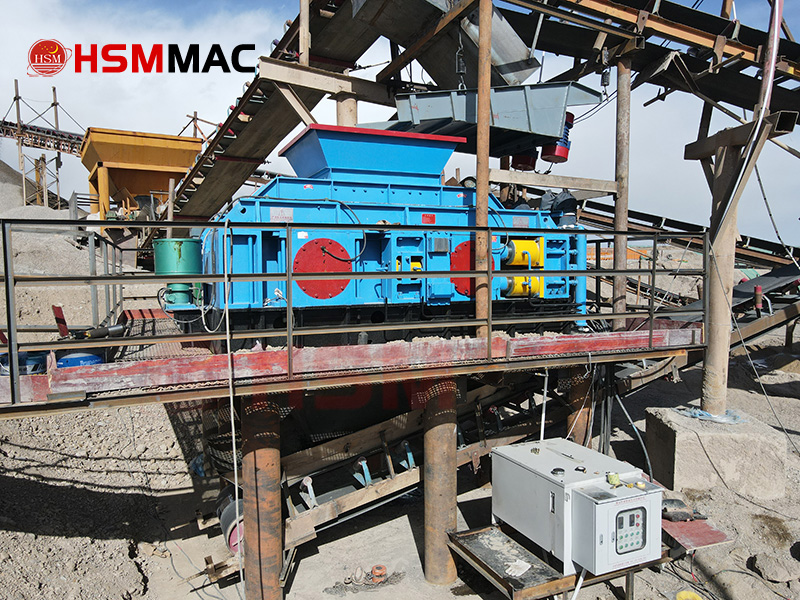
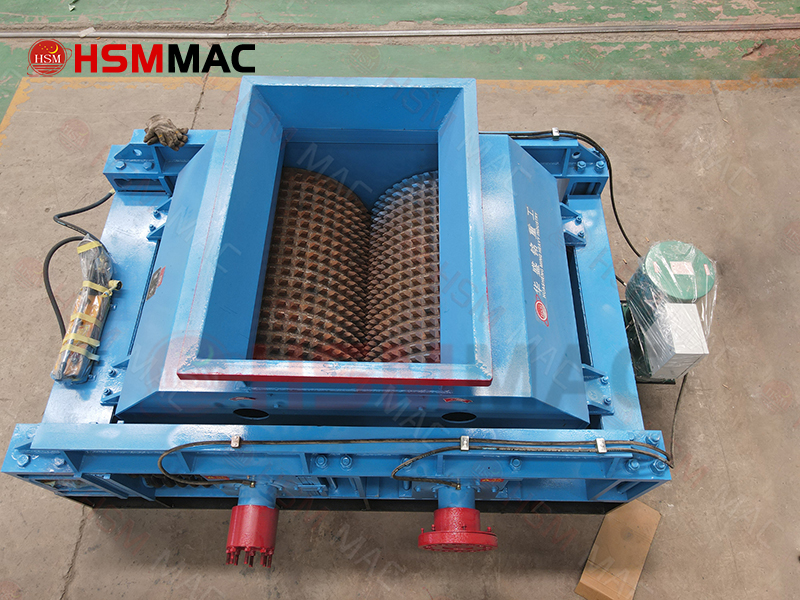
Huashengming Double Roll Crusher
1. When Can Small-Spec Ore Be Fed Directly?
Determining if your raw material qualifies for direct roll crushing comes down to three operational rules:
• Strict Particle Size Matching
The maximum block dimension must fall under the model’s rated feed limit (typically <30mm to <100mm depending on roller diameter).
• Material Hardness & Brittleness
Medium-hard and brittle materials (limestone, calcite, quartz sand, crushed glass, weathered granite) crumble efficiently under counter-rotating inter-particle compression.
• Correct Machine Positioning
Because double roll crushers serve as secondary and fine shaping units, small raw feed natively aligns with their primary reduction ratio.
2. Operational Benefits of Bypassing Primary Crushing
- Lower Capital Outlay (CapEx): Eliminating primary jaw crushers and intermediate surge hoppers slashes upfront equipment and civil engineering costs.
- Streamlined Footprint & Power: Fewer conveyor transfers mean reduced land usage, simpler site electrics, and lower overall total kilowatt consumption.
- Superior Product Grading: High-pressure squeeze crushing produces cubical fine aggregates with low over-crushing and minimal fine dust.
- Low Operating Costs (OpEx): Squeeze crushing distributes wear evenly across alloy roller shells, reducing cost-per-ton liner replacement.
3. Direct Feed vs. Two-Stage Circuit Comparison
| Feed Condition | Recommended Plant Flow | Primary Advantage |
|---|---|---|
| Small-Spec Ore (<30–100mm) | Direct Feed → Double Roll Crusher → Screen | Simplified layout, lowest capital expenditure, high efficiency. |
| Fluctuating Size / Random Oversize | Grizzly Screen → Double Roll Crusher (Bypass Oversize) | Protects rollers from accidental tramp boulders. |
| Large ROM Boulders (>100–500mm) | Jaw Crusher (Primary) → Double Roll Crusher (Secondary) | Protects roller shells, prevents nip slippage and stalls. |
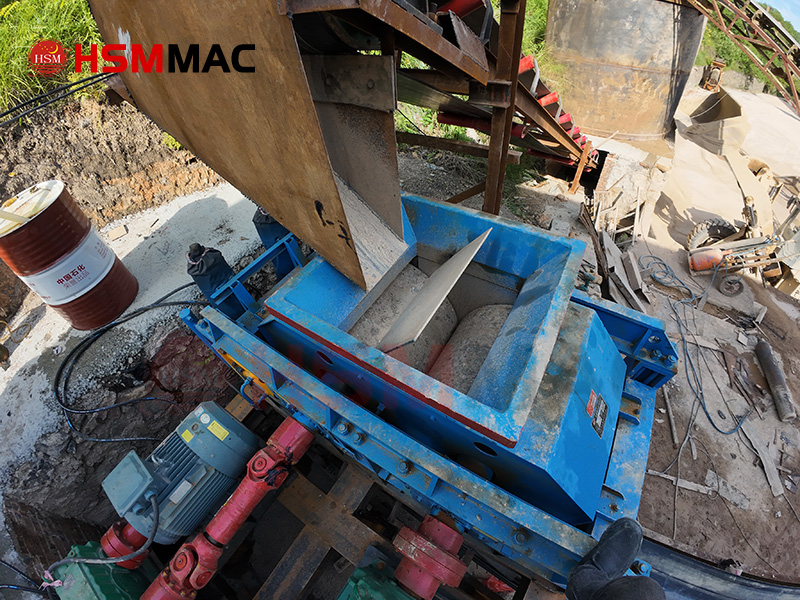
HSM Double Roll Crusher Roller Shell
4. Key Considerations for Direct Feed Applications
- Check Upper Feed Limits: Always verify maximum feed dimensions against specific equipment spec sheets before finalizing layout 【Custom Parameters Available】.
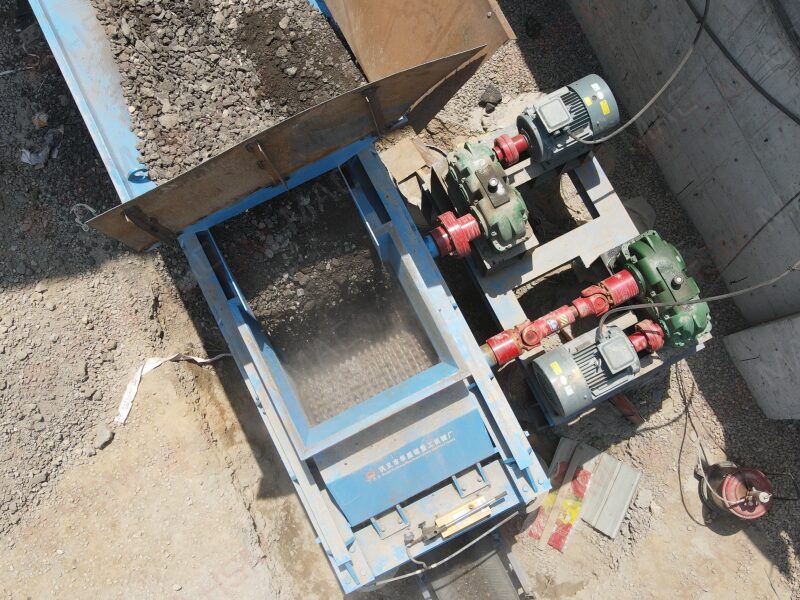
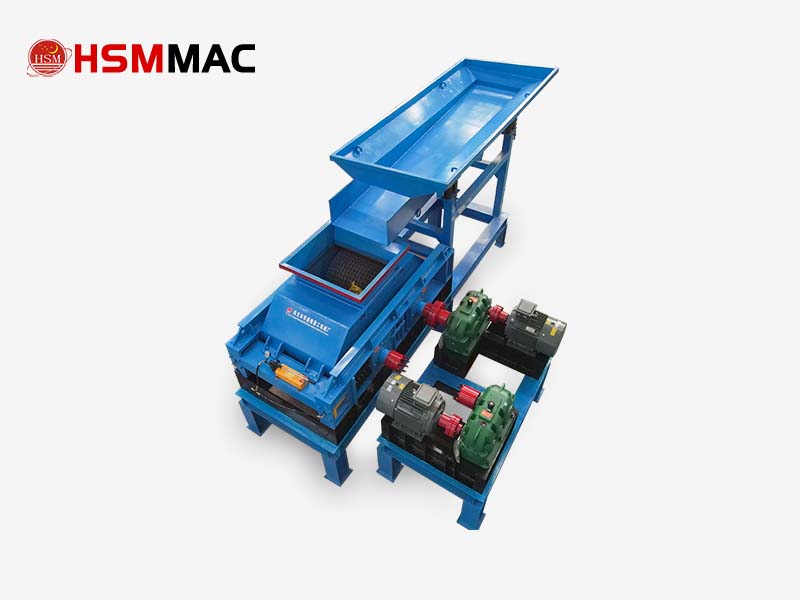
- Controlled Controlled Feeding: Use a vibrating feeder to ensure an even, full-width stream of material across the rollers, avoiding localized wear spots.
- Pre-Screening Fluctuation: If raw ore contains unexpected oversized boulders, install a pre-grizzly bar screen to scalp off rogue rocks.
- Free Sample Material Testing: Send samples to Huashengming for free teststand trial crushing to evaluate wear rates, product distribution, and motor loading.
Standard Direct Flow: Vibrating Feeder → Double Roll Crusher → Vibrating Screen.
Contact Huashengming today for customized circuit sizing and free trial crushing tests.
 +86-13838144666
 +86-13838144666