Q:What Are the Types of Crushers?
A:Crushers are essential processing equipment widely used in mining, building materials, metallurgy, chemical, and other industries. They are primarily designed to reduce large chunks of ore, rock, coal gangue, construction waste, and other materials to the required particle size. Based on different structures and working principles, crushers can be classified into various types, each suitable for different materials and operating conditions.
Common Types of Crushers
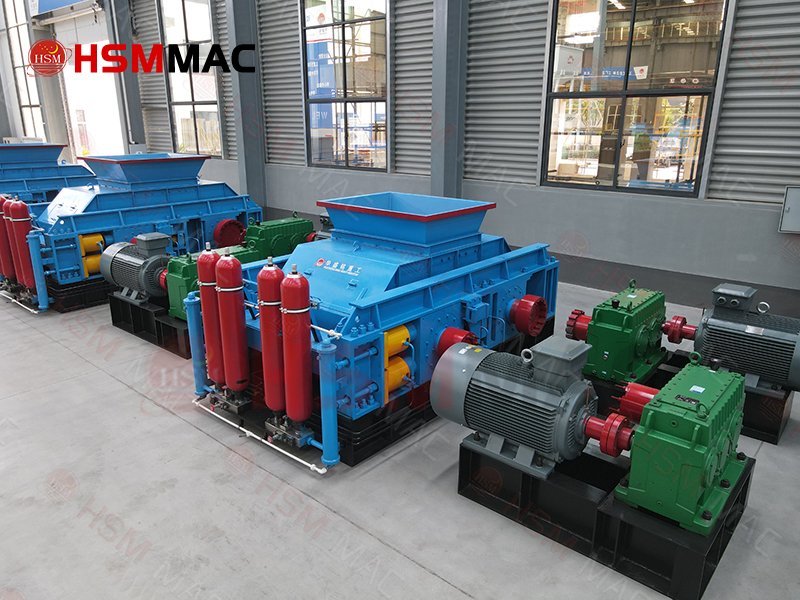
Double Roll Crusher
Roll Crusher: Uses two counter-rotating rolls to crush material through compression. Features low over-grinding rate and uniform product particle size. Suitable for fine crushing of medium-hardness and brittle materials. Widely used in ore fine crushing, mineral processing pre-treatment, and tailings processing.
High Pressure Grinding Rolls (HPGR): Designed for fine and ultra-fine crushing of metal ores. Achieves “more crushing, less grinding” through high-pressure inter-particle crushing, reducing ball mill load and improving processing capacity.
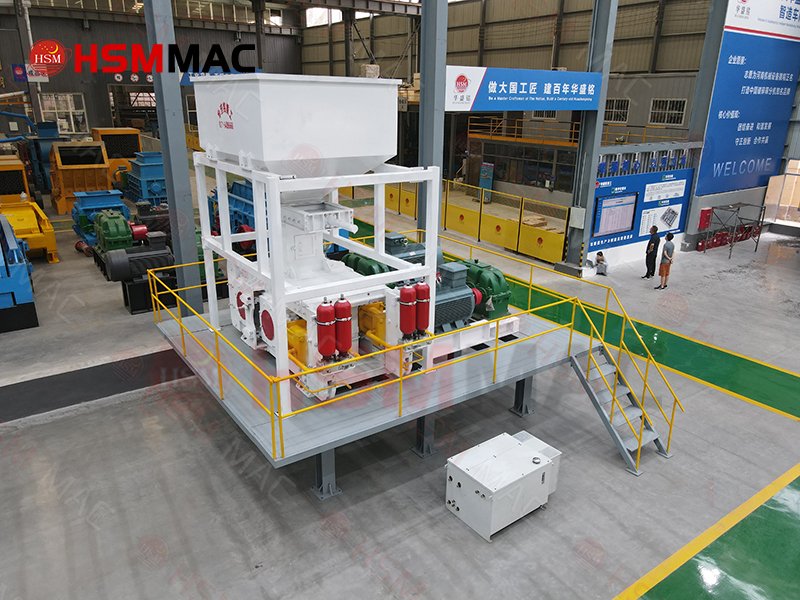
High Pressure Grinding Rolls
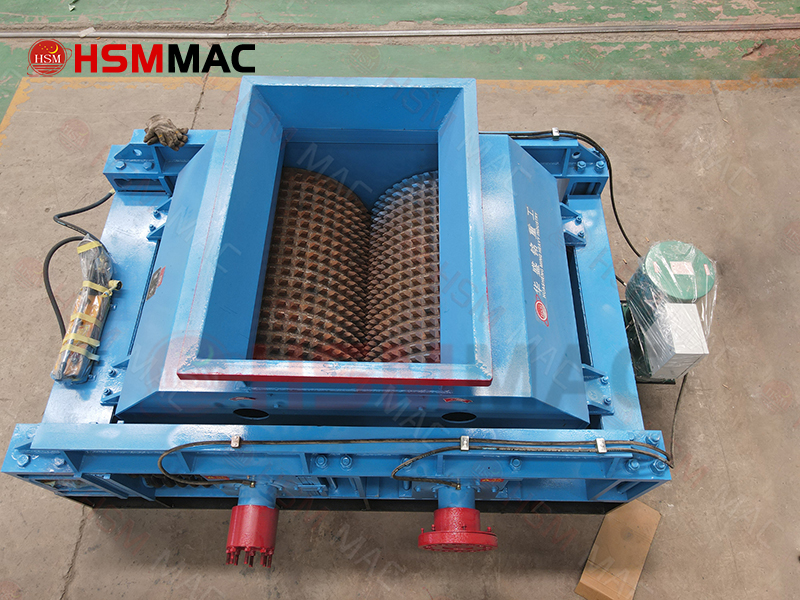
Toothed Roll Crusher: Uses shearing and compression for crushing. Tooth profiles can be customized for specific material characteristics. Suitable for coarse and medium crushing of coal, glass, gypsum, and other materials below medium hardness.
Four-Roll Crusher: Two-stage crushing in one pass. Upper and lower roll pairs can be flexibly combined based on material characteristics and product requirements, achieving high reduction ratio fine crushing.
Jaw Crusher: Crushes material through compression between a moving jaw and a fixed jaw. Features high reduction ratio and simple structure. Commonly used for primary crushing of ore—the first step in mineral processing and aggregate production lines.
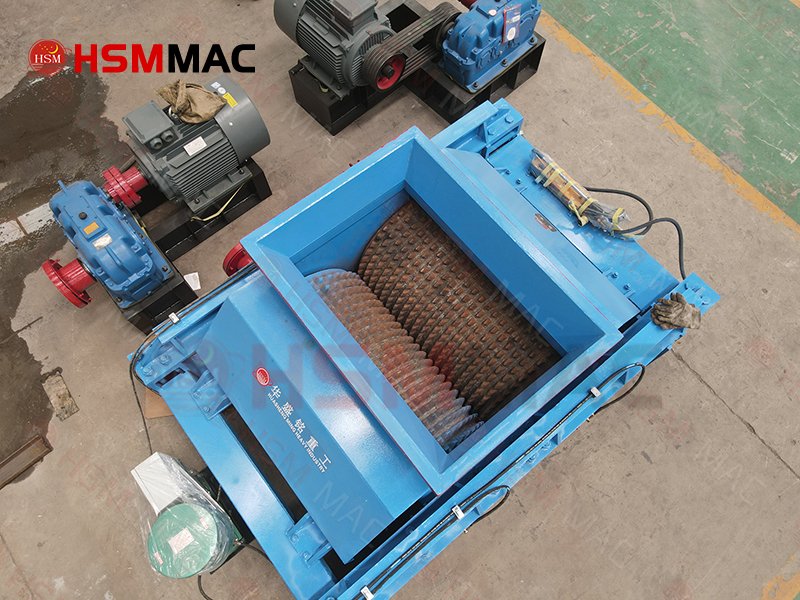
double tooth roll crusher
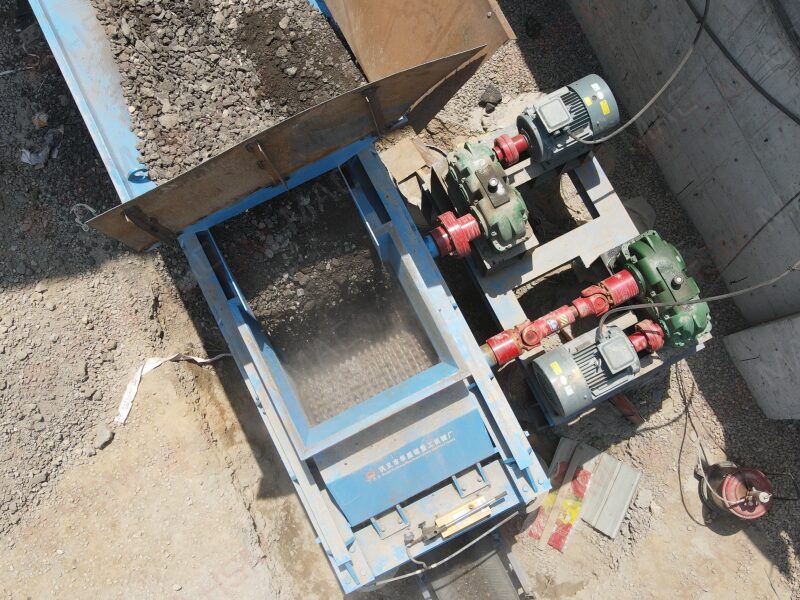
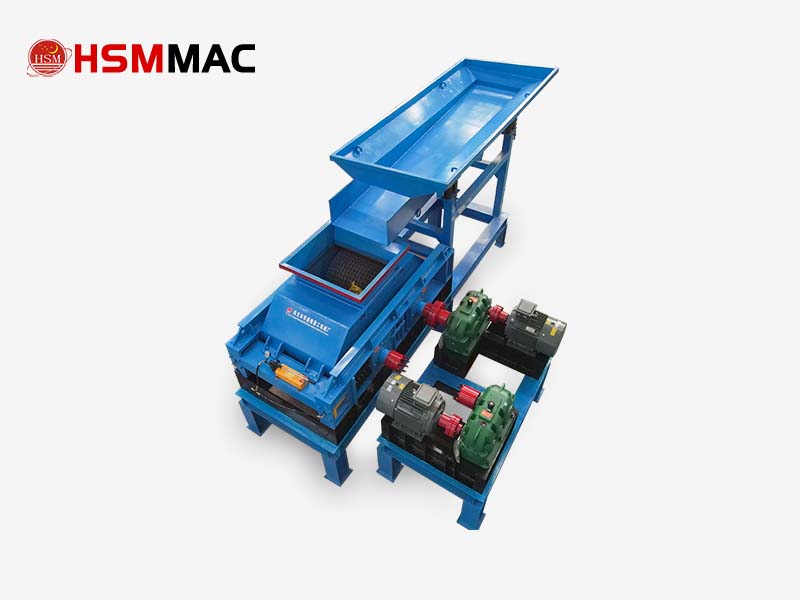
Double-Stage Screenless Crusher: Two-stage crushing in one unit. No screen bottom design, handles both dry and wet materials without clogging. Suitable for high-moisture materials such as coal gangue, shale, and construction waste.
How to Choose the Right Type of Crusher?
When selecting a crusher, consider the following key factors:
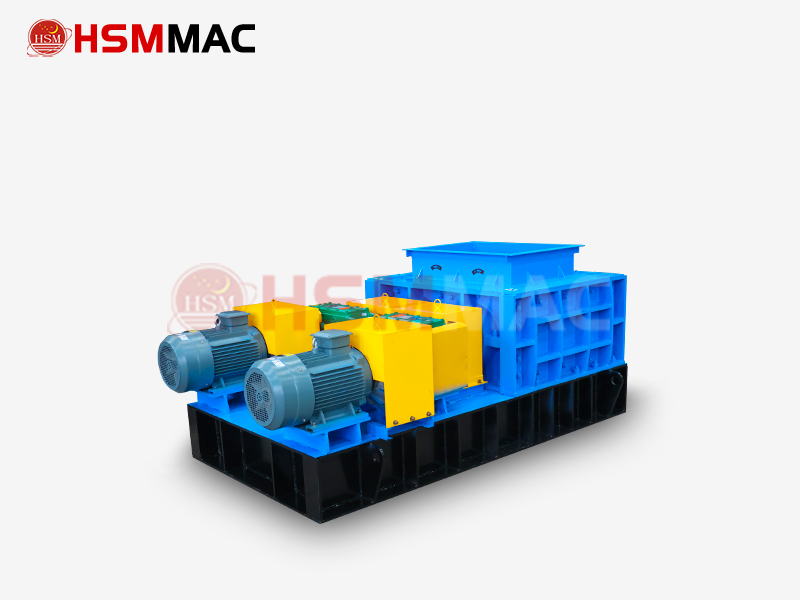
Strong grading crusher
Material Hardness: High-hardness materials are suitable for cone crushers; medium-hardness materials can be processed with roll crushers, HPGR, and similar equipment.
Material Moisture Content: High-moisture materials are best processed with screenless double-stage crushers to avoid clogging.
Feed Size: Large feed materials require primary crushing with a jaw crusher before entering secondary crushing equipment.
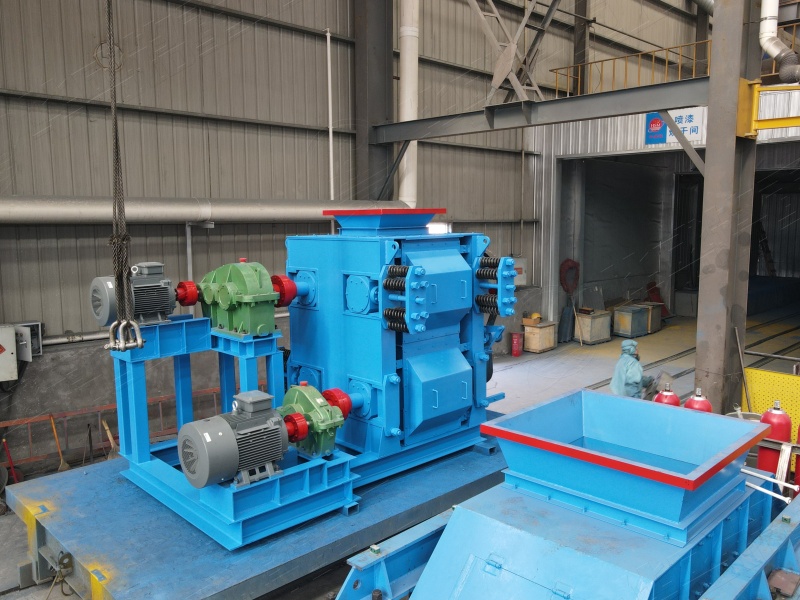
Four Roller Crusher
Discharge Requirements: For applications with strict particle size control, roll crushers offer more precise size regulation.
Production Capacity: Select equipment models with the appropriate capacity for your actual production scale.
Hua Sheng Ming has over twenty years of experience in crusher R&D and manufacturing, with core products covering roll crushers, high pressure grinding rolls, toothed roll crushers, four-roll crushers, jaw crushers, and double-stage screenless crushers. If you are unsure which type of crusher to choose, contact Hua Sheng Ming for targeted selection recommendations based on your material characteristics and production requirements.
 +86-13838144666
 +86-13838144666