In industries such as coal processing, thermal power generation, coal-water slurry preparation, and briquette production, it is often necessary to crush raw coal or lump coal into fine particles smaller than 3 millimeters. This requirement may seem simple, but in actual operation, there are many difficulties: Coal is inherently soft, but it is prone to powdering; if the coal contains a slightly higher moisture content (such as during rainy seasons or during coal washing), it will become wet and sticky, easily sticking to equipment and causing blockages; some crushers can crush fine materials, but the screen is clogged, and they need to be shut down for cleaning several times a day, affecting continuous production. However, the four-roll crusher has several practical features when handling such tasks: It can stably produce coal powder smaller than 3 millimeters, and it is not prone to machine blockage, and has good adaptability to wet coal. These advantages make it a reliable choice for many coal enterprises in the fine crushing process.
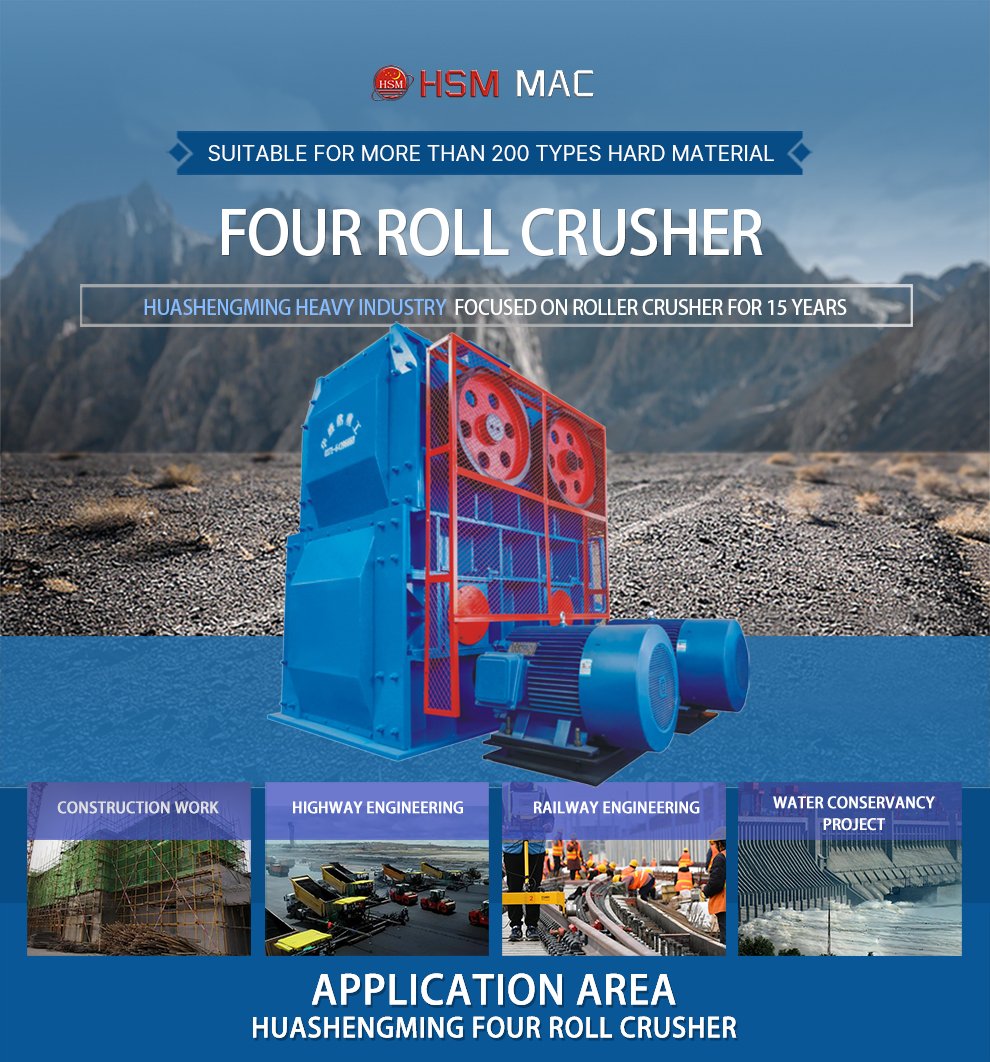
1. No screen design, fundamentally avoiding “screen clogging”. Many traditional crushing equipment (such as hammer crushers and impact crushers) rely on screen plates to control the output particle size. When the moisture content of coal exceeds 8%, wet coal will adhere to the sieve holes, quickly forming a layer of “coal sludge shell”, causing the sieve holes to become clogged and preventing the material from being discharged. The equipment has to be shut down for cleaning. Workers often have to get up in the middle of the night to hit the screen plate, which not only affects production but also increases labor intensity. The four-roll crusher adopts an un-sieve-bottom structure. The output particle size is not controlled by the screen mesh, but by adjusting the gap between the two rollers below to control. As long as the coal block can pass through this gap, it can be smoothly discharged. Even if the coal is a little wet or a little sticky, it will not accumulate into a lump in the chamber. This design fundamentally solves the problem of “screen clogging and machine shutdown”, and is particularly suitable for processing washed medium coal, lignite, and peat with high moisture content.
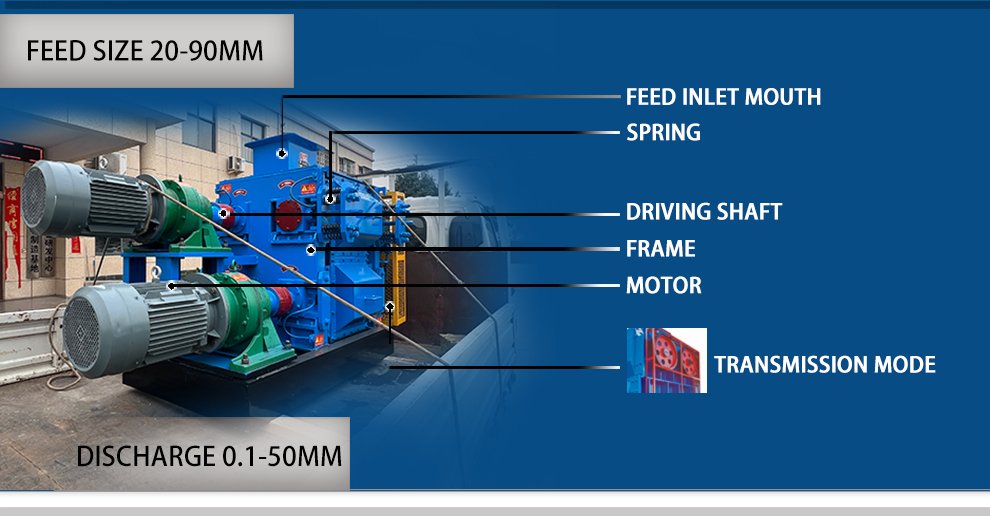
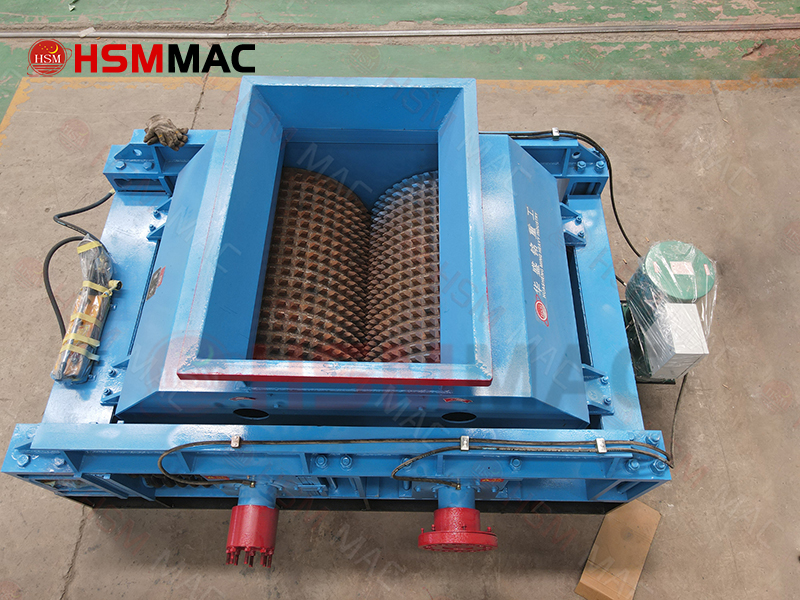
2.Two-stage crushing, fine materials are produced steadily. The internal structure of the four-roll crusher consists of four rollers, divided into two working sections, upper and lower. When the coal block enters from the top, it is first compressed into small pieces by the upper pair of rollers (medium crushing), and then further refined by the middle pair, with the final output being products smaller than 3mm. This “step-by-step” approach enables each stage to only undertake a portion of the crushing task, resulting in a more even load distribution and smoother equipment operation. Compared to the single-stage double-roll machine that crushes large coal blocks to 3mm in one go, the four-roll machine exerts less pressure and is less likely to slip, and the output is more consistent. Users have reported that after using the four-roll crusher, the proportion of “super-sized” (greater than 3mm) products in the finished products has significantly decreased, and the subsequent processes (such as granulation or combustion) have become more smooth.
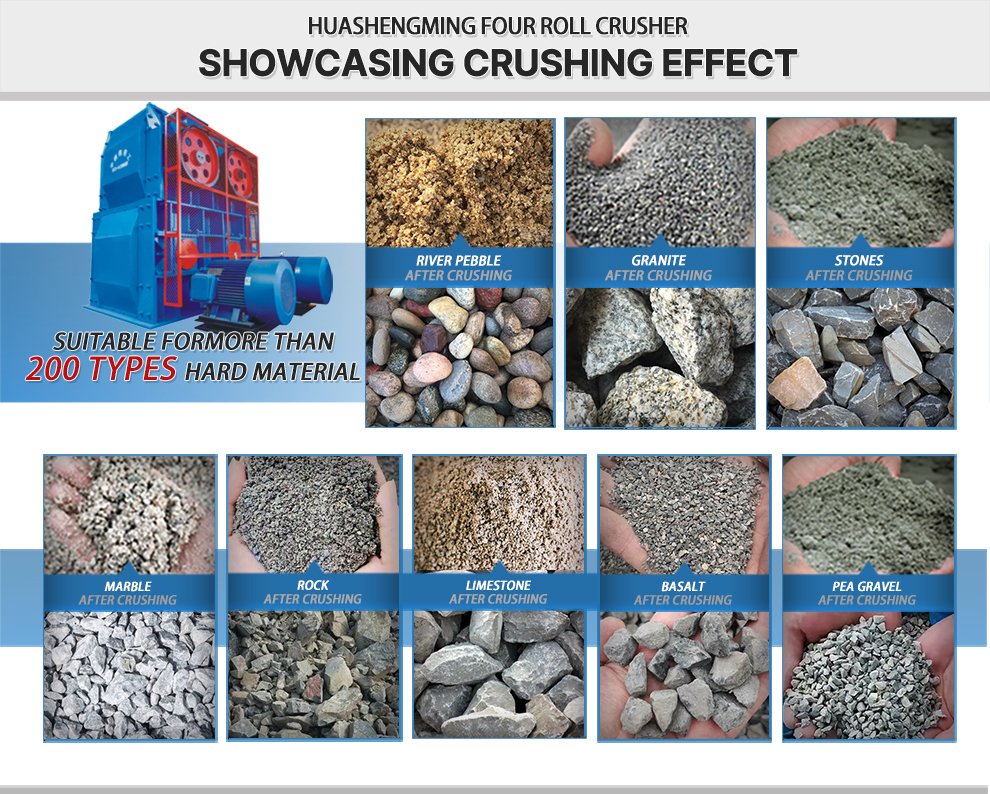
3. Resistant to Moisture-Resistant Coal During transportation or storage, wet coal is prone to getting wet. Especially during the rainy season in the south, the moisture content may reach over 10%. At this time, many equipment will “break down”. However, the four-roll crusher has an open crushing chamber, a short process, and no dead corners. Moreover, the rollers rotate at a low speed, making it difficult for wet coal to adhere. Some models also add scraper plates or slight vibration devices at the discharge port to help wet materials be discharged smoothly. A certain brown coal mining area had long been plagued by material blockage problems. They originally used hammer crushers to process raw coal with a moisture content of 12%, and needed to stop the machine to clear the blockage 2-3 times per day. After switching to the four-roll crusher, there was no blockage for a continuous month of operation, and the workers only needed to conduct regular inspections.
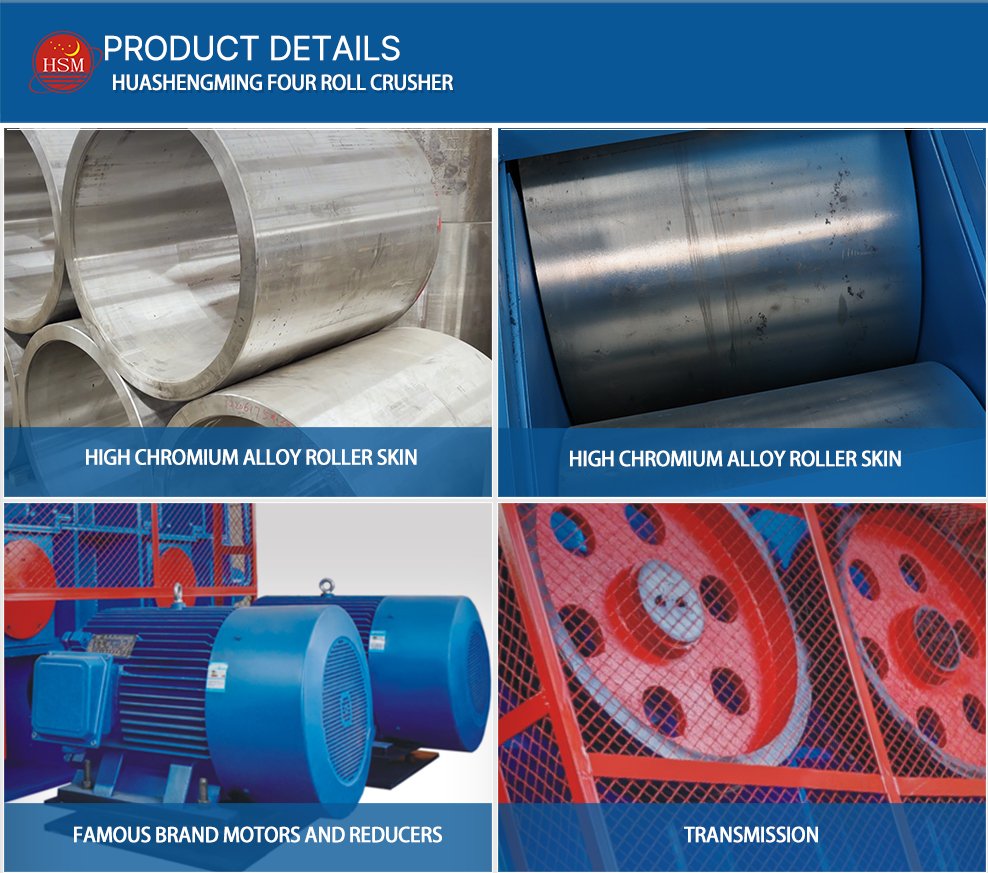
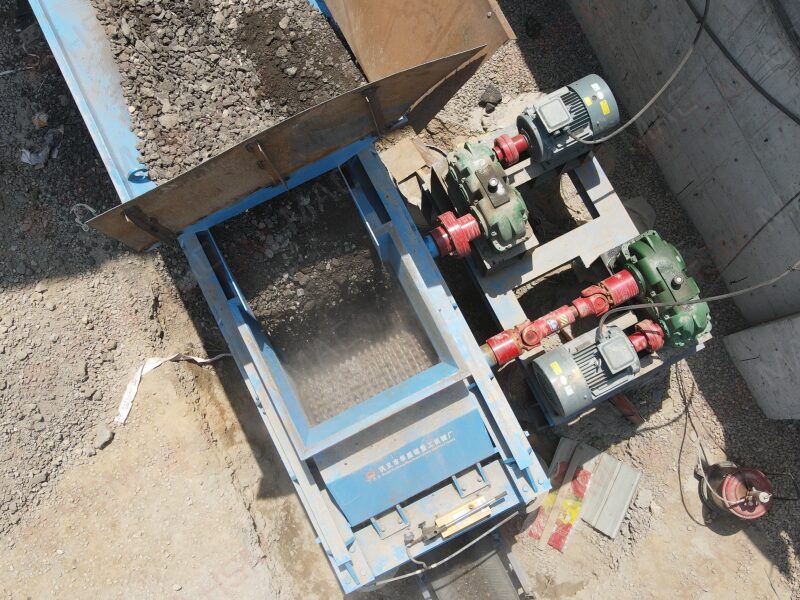
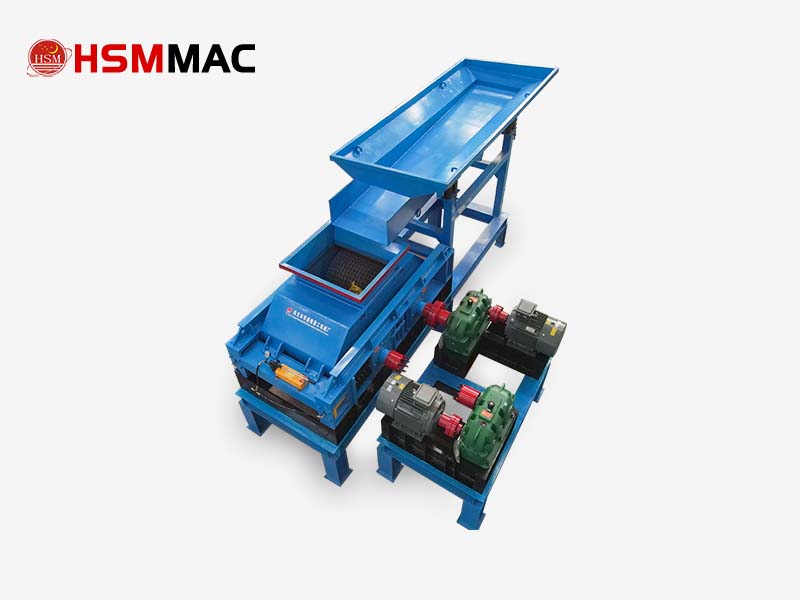
4. Simple operation and easy maintenance. The operation of the four-roll crusher is not complicated. Before starting, check if the gap between the rollers is adjusted to the appropriate position (such as 2.5–3mm). During operation, observe if the material feeding is smooth. Regularly add lubricating grease to the bearings. To adjust the fineness of the discharged material, simply rotate the handwheel or operate the hydraulic lever. This can be completed in a few minutes and ordinary workers can master it after simple training. In terms of maintenance, the key components are concentrated and the inspection door is designed reasonably. It is very convenient to clear accumulated coal or replace the roller plates, and no large amount of peripheral equipment needs to be disassembled. The roller surface usually adopts a wear-resistant overlay layer, which has a long service life. After local wear, it can be repaired by welding, reducing the cost of spare parts.
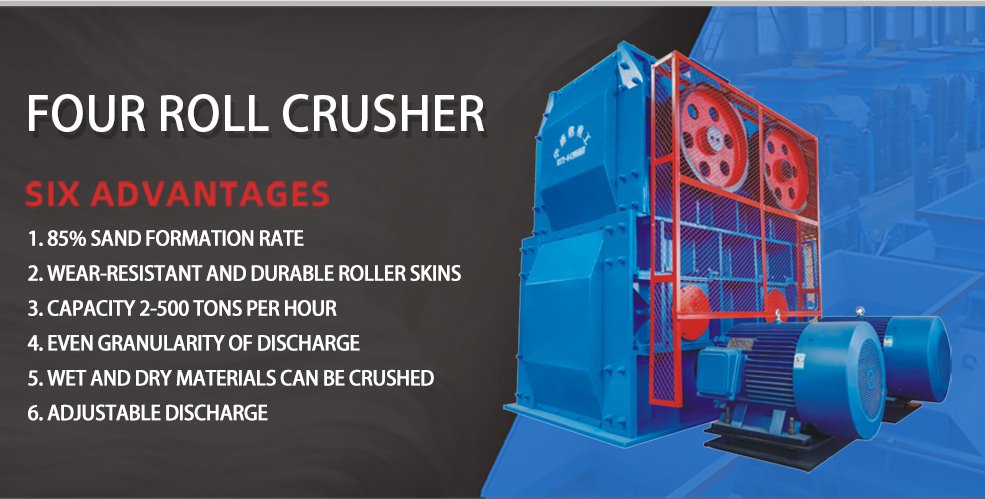
5. Stable operation, suitable for continuous operation. The rollers of the four-roll crusher have a relatively low rotational speed (generally 30-70 revolutions per minute), resulting in low overall vibration and low noise. The requirements for the foundation of the factory are not high. This stability is particularly important in power plants or coal chemical plants that operate continuously for 24 hours. With the optional hydraulic automatic retreat device, even if small wood blocks or coal gangue occasionally mix into the coal, the equipment can automatically move aside to avoid jamming and stopping.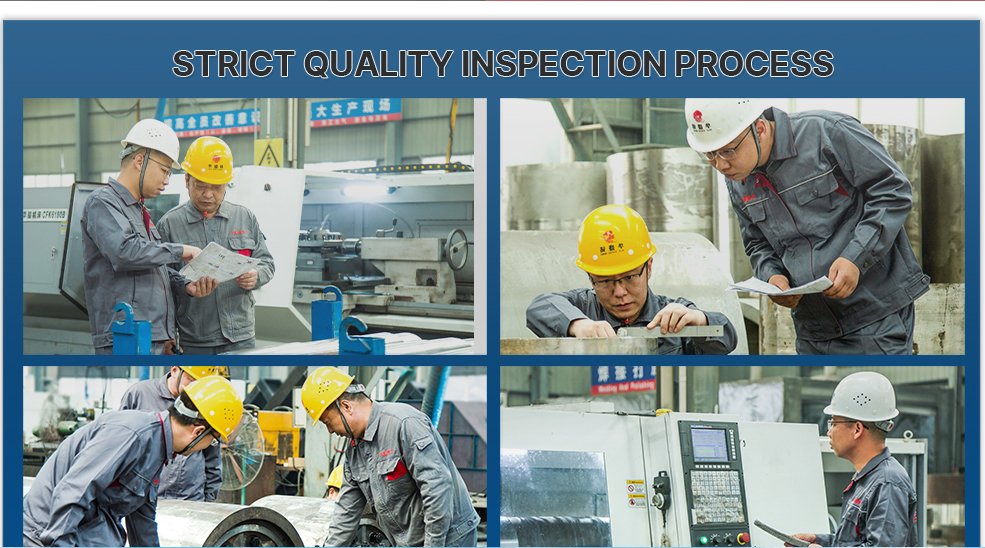
The four-roll crusher is not successful by relying on “heavy hitting and quick discharge” in crushing coal blocks. Instead, it achieves the goal of stable output of 3 millimeters or smaller coal powder with a reasonable structure, a simple process, resistance to wet and sticky conditions, and independence from screen mesh. It does not pursue the fastest speed, but rather seeks a long operating time; it does not emphasize fancy technology, but rather seeks ease of use. For users who wish to reduce downtime, simplify management, and cope with wet coal challenges, the four-roll crusher provides a reliable and solid solution. In the production line that emphasizes “less disturbance, more work”, this equipment that can operate continuously and basically does not require clearing blockages at night is often more popular than seemingly “powerful” machines.
 +86-13838144666
 +86-13838144666