In modern industrial production, coke and feldspar are critical industrial raw materials that play irreplaceable roles in multiple sectors. Coke is mainly utilized in the metallurgical industry as an essential reducing agent for iron smelting, while feldspar enjoys wide applications in ceramics, glass, paint and other manufacturing industries. Driven by surging market demand and continuous technological progress, higher standards have been put forward for the processing equipment dedicated to coke and feldspar. As a highly efficient and energy-saving grinding device, the high-pressure roller mill has become the optimal choice for coke and feldspar processing thanks to its exceptional performance and broad applicability. This article elaborates on the advantages and application features of the high-pressure roller mill in the processing of these two key raw materials.
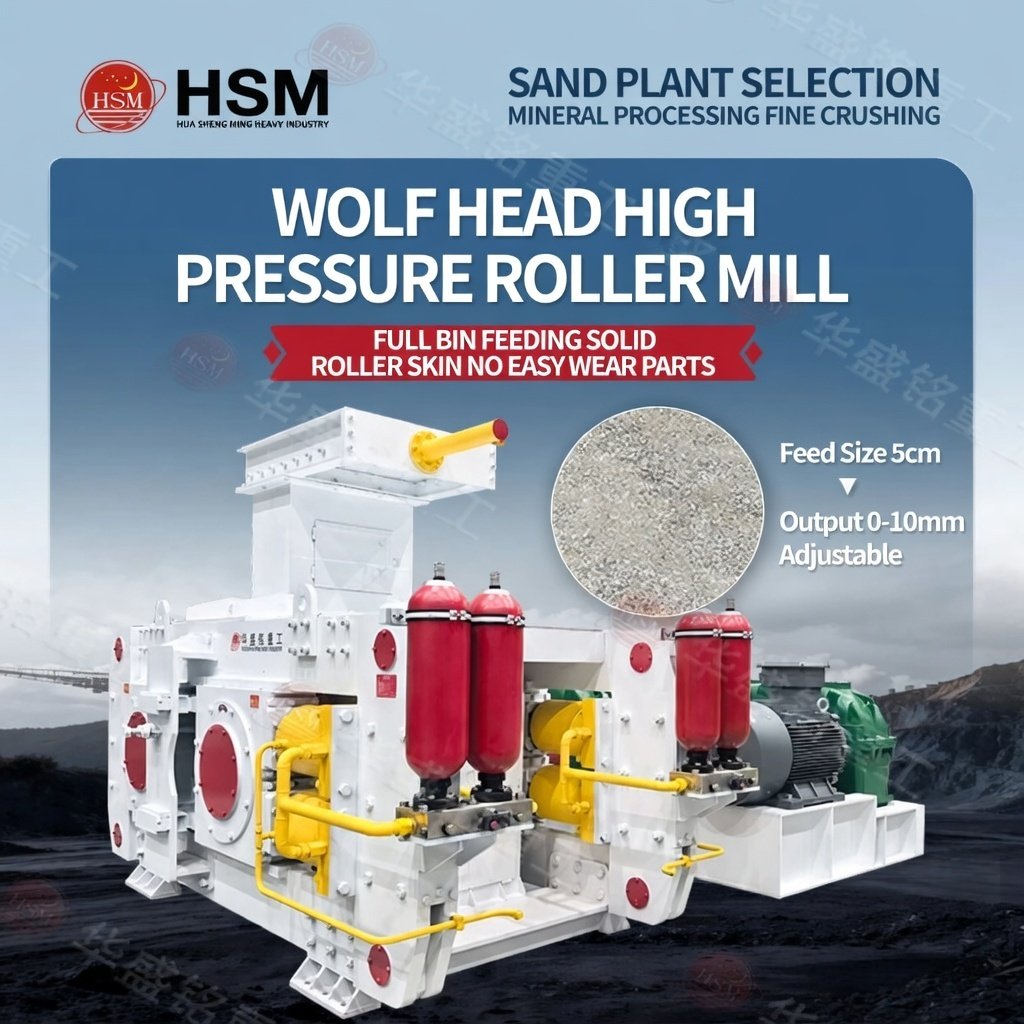
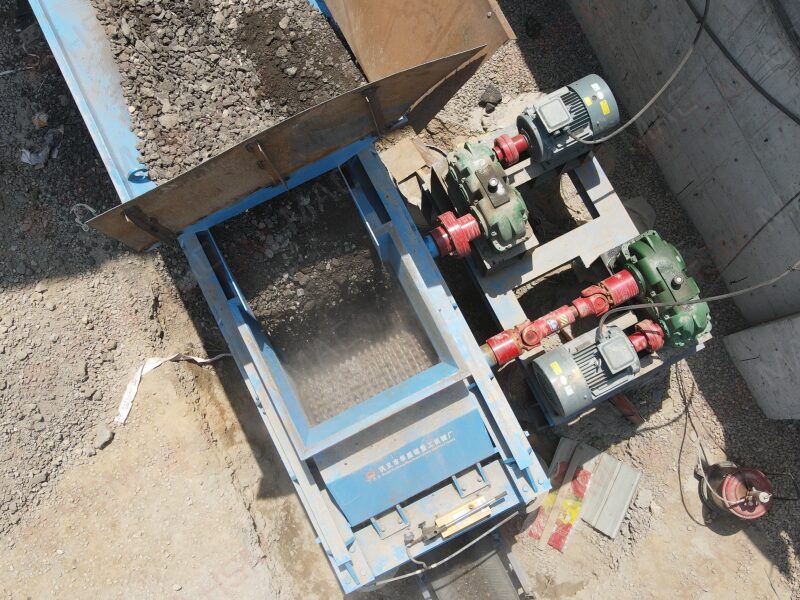
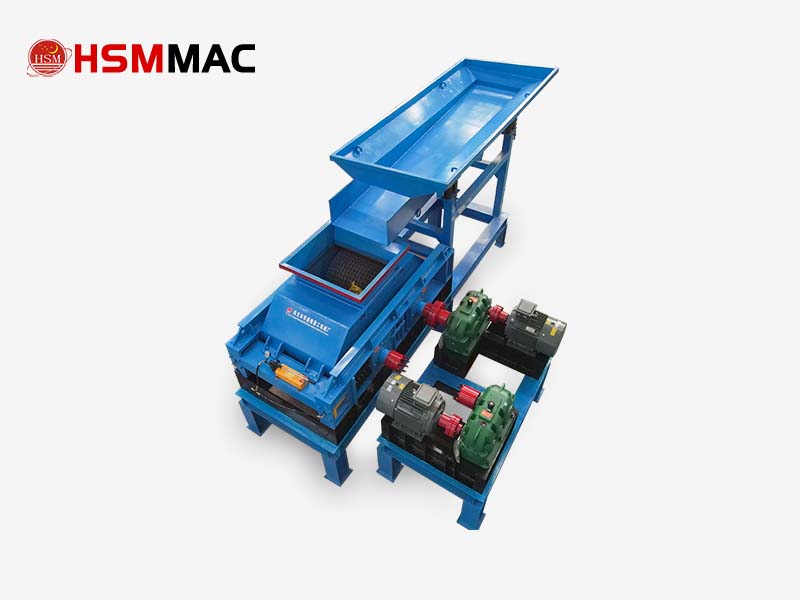
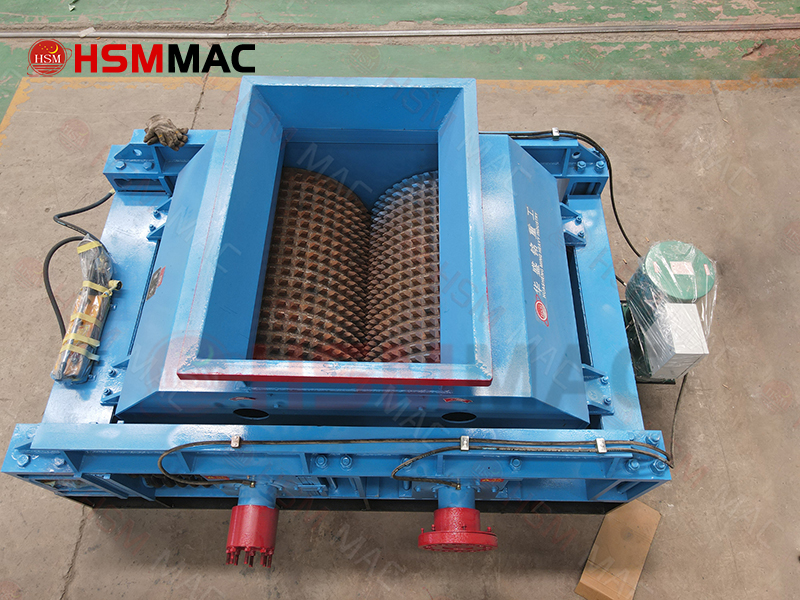
A high-pressure roller mill is a specialized grinding equipment that relies on high-pressure rollers to pulverize materials. Its core working principle involves exerting intense pressure on materials via a pair of rotating high-pressure rollers, causing materials to crack and grind into fine particles under high-pressure extrusion. This mill is generally equipped with two or more high-pressure rollers, and the hydraulic system is adopted to adjust the pressure and roller gap, so as to meet the processing requirements of different materials. During operation, materials are fed between the high-pressure rollers and crushed into fine particles through the continuous squeezing action of the rollers.
The finished products feature uniform particle size. When processing coke and feldspar, the high-pressure roller mill enables precise control of the roller gap, guaranteeing uniform and consistent particle size of the final products. This is of paramount significance for subsequent processing procedures, especially in the production of high-grade ceramics and glass products, as uniform particle size effectively enhances product quality and batch consistency.
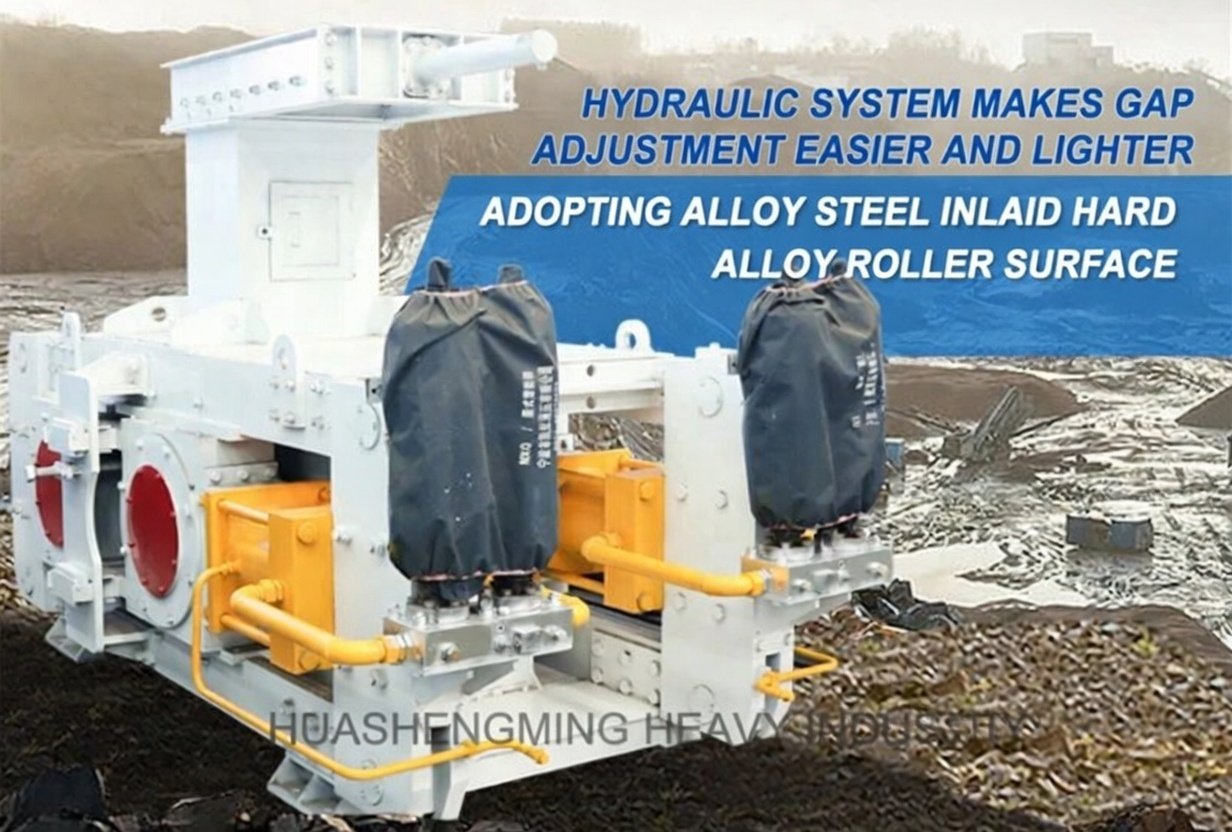
The mill delivers stable product quality. By accurately controlling key operating parameters including pressure and rotating speed during the grinding process, the high-pressure roller mill ensures stable and reliable product quality, which is particularly critical for high-standard raw material demand industries such as ceramic and glass manufacturing.
It boasts strong adaptability. In addition to processing coke and feldspar, the high-pressure roller mill is also suitable for grinding various other materials like limestone, gypsum and calcite. Its flexible adjustment function allows for modifying the roller gap based on the physical properties of different materials, expanding the scope of processable raw materials and enhancing equipment versatility.
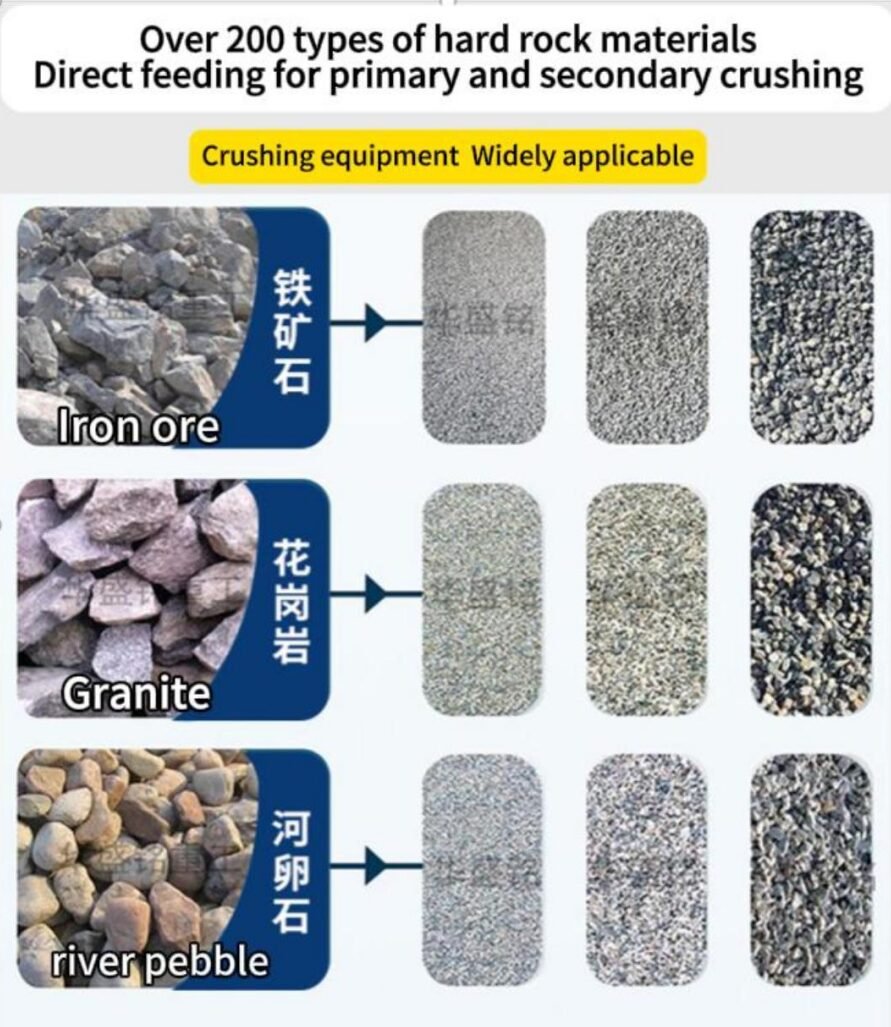
Sand Raw Materials
The equipment is safe and reliable in operation. Equipped with comprehensive safety protection devices including an overload protection system, the high-pressure roller mill effectively prevents equipment damage and personal injury accidents caused by unexpected conditions, fully safeguarding the safety of on-site operators.
In terms of application scenarios, the high-pressure roller mill has been extensively adopted across industries owing to its unique performance and wide application range. In the metallurgical industry, it processes coke to produce high-quality reducing agents for iron smelting, ensuring the stability and continuity of the production process. In the building materials industry, it provides qualified raw materials for cement production, concrete admixture manufacturing and other fields, boosting the overall quality of building materials.
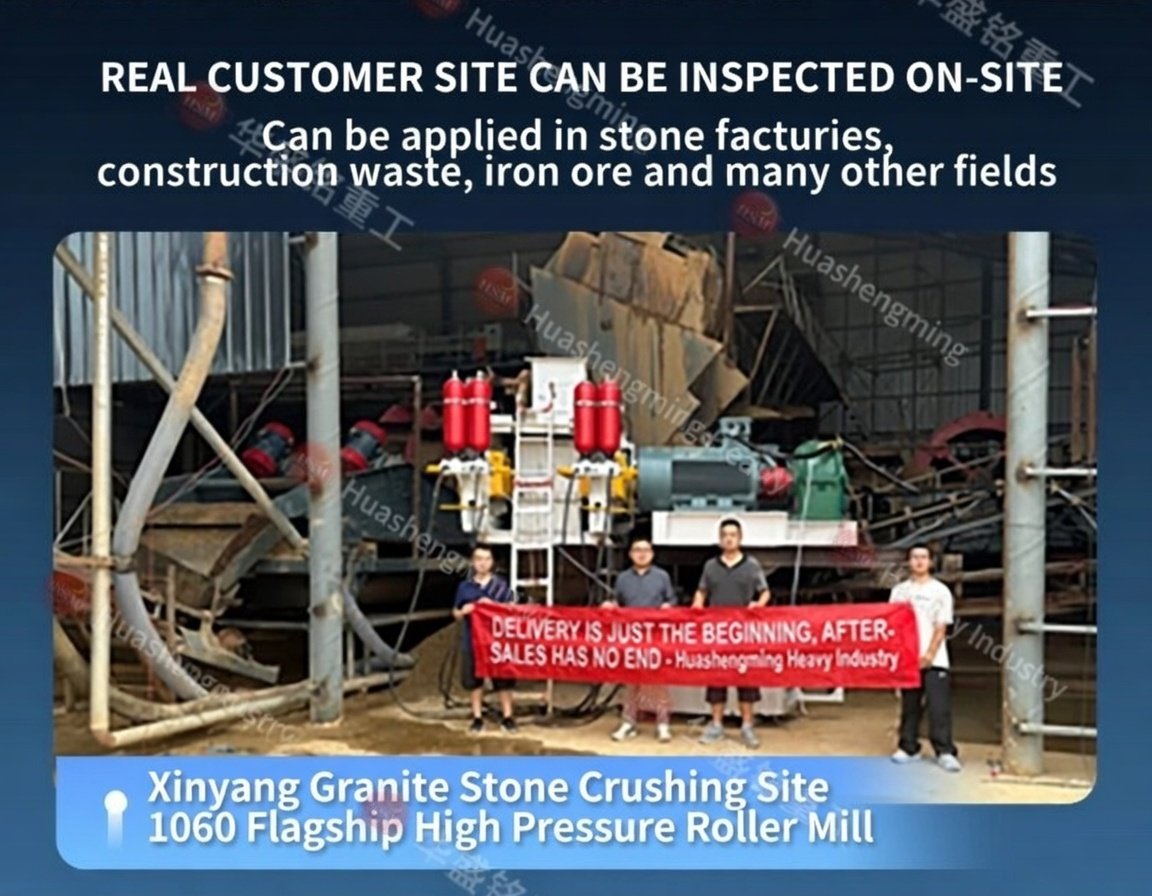
A large ceramic manufacturing enterprise has achieved remarkable production line efficiency improvement after introducing the high-pressure roller mill. Previously, the enterprise used traditional grinding equipment that suffered from severe wear and tear, requiring frequent replacement of vulnerable parts and incurring high maintenance costs. After switching to the high-pressure roller mill, the maintenance frequency was drastically reduced, the quality of ground feldspar products became more stable, and the particle size uniformity was significantly improved, winning unanimous praise from downstream customers. Furthermore, the equipment’s low energy consumption characteristic helped the enterprise cut a large amount of energy costs, realizing a win-win situation for both economic and social benefits.
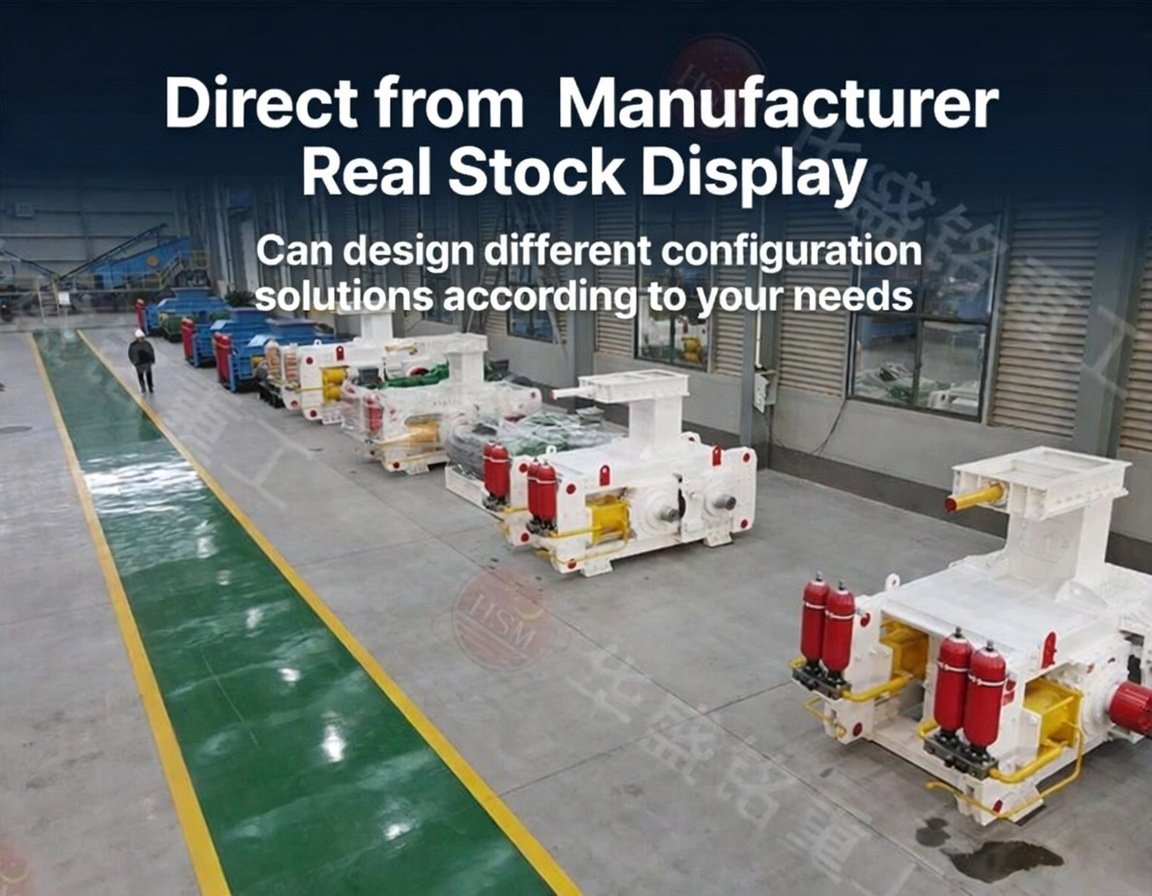
With technological innovation and shifting market demands, high-pressure roller mills are undergoing continuous optimization and upgrading. Future equipment development will focus on intelligence, automation and environmental protection. As demonstrated in this article, the high-pressure roller mill has gained wide market recognition and popularity due to its core advantages of high efficiency, energy conservation, environmental friendliness and operational safety. For enterprises engaged in coke and feldspar processing, selecting a high-performance high-pressure roller mill can not only improve production efficiency and reduce operating costs, but also lay a solid foundation for the sustainable development of the enterprise. Therefore, investing in high-quality high-pressure roller mills is undoubtedly a wise strategic decision for industrial manufacturing enterprises.
 +86-13838144666
 +86-13838144666