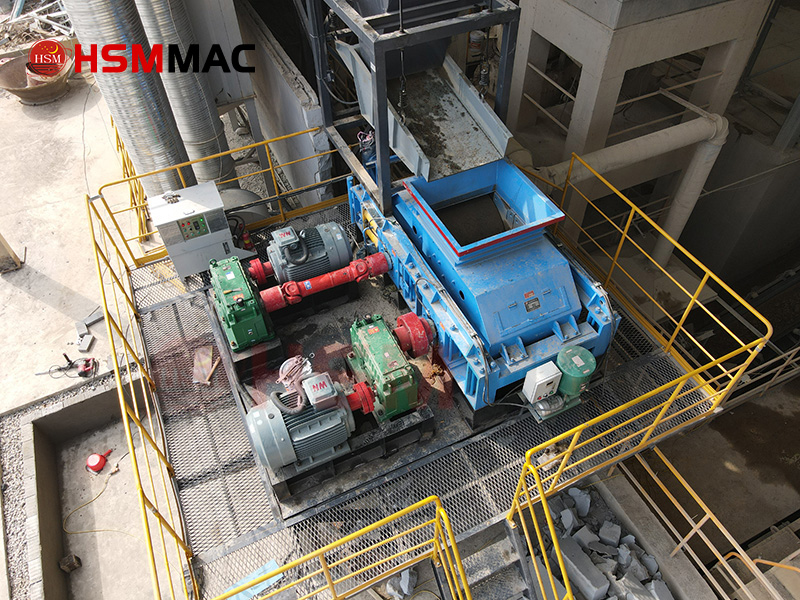
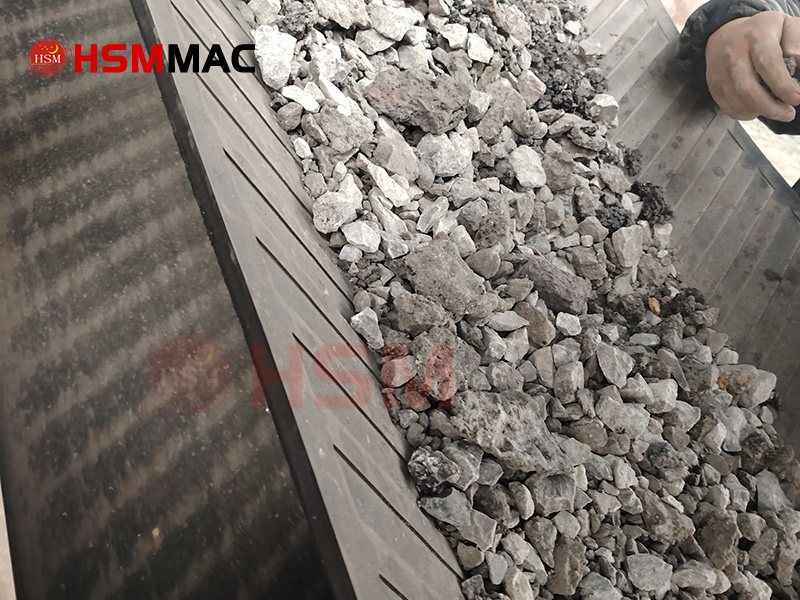
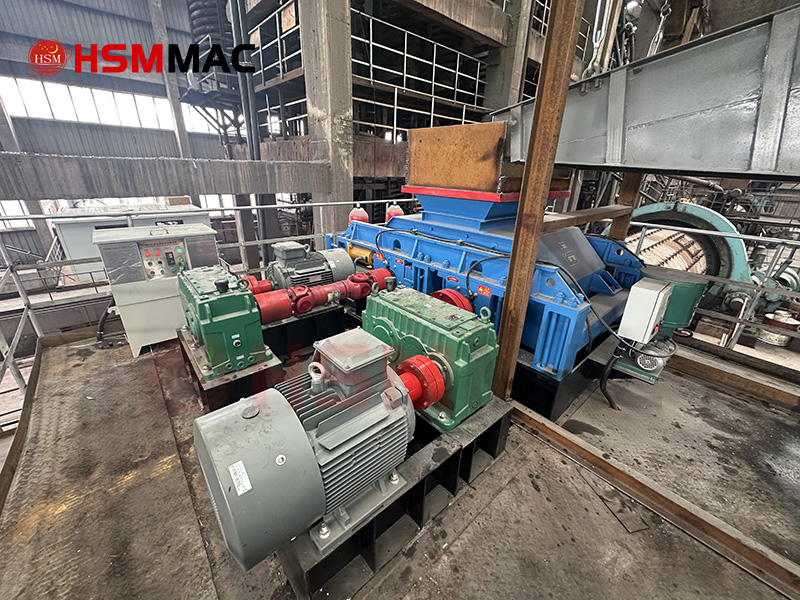
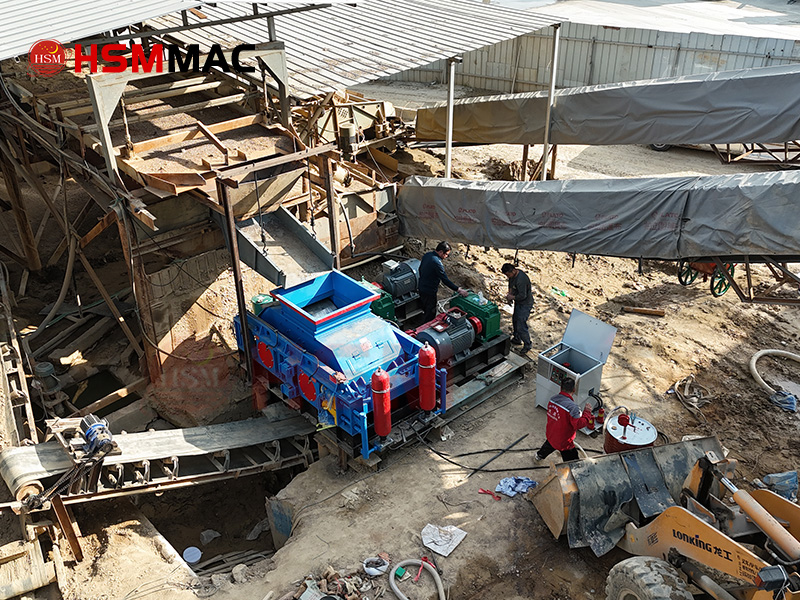


Is a Double Roll Sand Maker Too Expensive? Do the Math: Savings Are Pure Profit
2026-10-08Total Cost of Ownership (TCO) Takeaways: Beyond Purchase Price: True machine value equals Initial Price + Electricity + Wear Parts + Maintenance + Downtime Losses. Cheap equipment is cheap to buy but expensive to run. Extended Wear Cycles: High-durability alloy roller shells cut part replacement frequency, saving significant maintenance and labor costs over time. Inter-Particle Energy Efficiency: Dual-roller compression consumes substantially less power per ton compared to high-speed kinetic impact crushing. Downtime Elimination: Simple mechanical construction with minimal failure points keeps the plant running continuously, preserving daily tonnage and revenues. Many aggregate producers ask: “Double roll sand makers cost more upfront than conventional crushers—are they worth the investment?” Purchase price is only the first number on the ledger; long-term profitability depends on Total Cost of Ownership (TCO). Lower electricity bills, fewer wear-part replacements, simple routine maintenance, and minimal unplanned downtime turn initial equipment expenditure into ongoing operational profit. Huashengming Heavy Industry (HSM) provides factory-direct roll crushers optimized for site-specific ROI and quick deployment. 1. The 5 Cost Factors Driving Real Profitability Account 1: Durable Roller Shells & Extended Wear Life Wear parts are a continuous operating expense. Standard crushers often require frequent blow bar or liner replacements every few months….
-
What Material Size Delivers Maximum Efficiency in a Double Roll Crusher? HSM Feed Size Guide
2026-10-06Optimal Feed Size & Efficiency Rule: The “Sweet Spot” (~1/2 Maximum Limit): Maximum throughput and energy efficiency occur when the feed size is approximately 50% of the machine’s maximum rated feed opening. Ideal Reduction Ratio: Peak efficiency is maintained when the single-pass reduction ratio stays within the optimal 2.5:1 to 4:1 range. Uniformity Over Extremes: Uniformly sized material ensures stable nip angles, prevents dynamic roll slippage, and eliminates excessive liner wear. For the exact same double roll crusher, varying the incoming feed size causes drastic performance differences. Feeding rock near the maximum design limit leads to roll bounce, material bridging, and accelerated liner wear; conversely, feeding material that is too fine underutilizes the compression zone. The highest throughput and lowest energy consumption occur when raw material sits in the mid-range of allowable feed dimensions and exhibits uniform grading. Huashengming (HSM) assists customers with precise model selection based on feed particle size distribution and real-world trial testing. 1. Why Feed Size Directly Controls Crushing Efficiency Double roll crushers rely on the friction between two counter-rotating roller surfaces to draw material into the crushing chamber. The particle diameter directly dictates whether material is gripped instantly or slips: • Roller Gripping & Nip…
-
Which Crusher Is Best for Gold Ore? Huashengming Gold Ore Crushing Equipment Selection Guide
2026-09-30Key Challenges in Gold Ore Selection (Wide Ore Hardness Range & High Cost of Mistakes): Wide Hardness Variation: Ranging from soft oxidized ores (Mohs ~3) to extremely hard quartz vein ores (Mohs ~7), choosing the wrong crusher leads to rapid wear or insufficient throughput. High Energy & Grinding Costs: Coarse output from traditional crushing stages shifts the burden onto ball mills, driving up power bills and grinding media consumption. Limited Recovery & Fine Fraction Yield: Suboptimal fine crushing reduces mineral liberation rates prior to cyanidation or flotation, undermining overall mineral recovery. Gold ores vary significantly in hardness; selecting the wrong crushing machinery results in low output, excessive energy consumption, and rapid component wear—directly impacting mineral processing costs and recovery rates. Equipment selection must evaluate ore hardness, target product size, and downstream beneficiation methods. Jaw crushers serve as primary crushers for run-of-mine ore; secondary and fine crushing stages utilize cone crushers, double roller crushers, or double toothed roller crushers based on rock hardness; and High-Pressure Grinding Rolls (HPGR) deliver energy-efficient pre-grinding. Huashengming Heavy Industry provides complete plant solutions—including double roller crushers, toothed roller crushers, and HPGR units—tailored specifically through ore sample testing. 1. Key Factors in Gold Ore Crusher Selection Gold…
-
Granite Sand-Making Machine: The HSM Double-Roll Sand-Making Machine Solves the Challenges of Granite Sand Production
2026-09-30Three Core Bottlenecks in Granite Sand Production (High Hardness, Abrasiveness & High Operating Costs): Severe Crushing Difficulty: With a Mohs hardness of 6–7, granite places extreme demands on equipment crushing force and structural rigidity. Rapid Wear & High Operating Costs: Traditional impact crushers and hammer mills suffer accelerated wear on hammers and blow bars, leading to frequent downtime and costly replacements. Poor Particle Shape: Violent impact crushing produces excessive needle-like and flaky particles as well as high fine dust, compromising concrete strength and reducing sand market value. Granite’s extreme hardness and toughness make sand manufacturing exceptionally challenging: traditional equipment wears down quickly, wear parts are consumed rapidly, particle shape is difficult to control, and production costs remain high. Huashengming Sand Making Equipment utilizes roller compression crushing as its core mechanism to deliver well-shaped cubic sand with adjustable discharge sizes. Equipped with high-wear alloy materials and hydraulic overload protection, it provides a stable and cost-effective solution for granite sand production. Furthermore, we maintain a practical, honest approach: processing high-hardness rocks requires a thorough evaluation of specific working conditions, and we fully support material sample testing to ensure the machinery perfectly matches your project requirements. 1. Key Challenges in Processing Granite Featuring…
-
Pebble Double-Roll Sand-Making Machine: Choose HSM’s Pebble Sand-Making Equipment Solution
2026-09-28Two Major Bottlenecks in Pebble Sand Production Lines: High Hardness & Rapid Wear: River pebbles have a dense structure, high SiO₂ content, and high hardness. Traditional impact sand makers suffer extreme blow bar and hammer wear, requiring frequent shutdowns and driving up maintenance costs. Poor Particle Shape & Low Market Value: Violent impact crushing produces excessive fine dust and slates/elongated particles with poor shape, failing to meet high-grade concrete standards and lowering market price. When processing river pebbles into manufactured sand, plant operators fear two main issues: high hardness leading to rapid wear and constant wear-part replacements, and poor particle shape with excessive dust that depresses sand selling prices. The Huashengming Double Roll Crusher replaces traditional high-impact crushing with dual-roller compression and shear mechanics. This yields well-shaped cubic particles, millimeter-level adjustable discharge sizes, and minimal over-crushing. Combined with high-wear-resistant alloy roller shells and an intelligent hydraulic protection device, it offers a stable, cost-effective, and long-lasting crushing solution for pebble sand plants. 1. Solution Overview: Compression Crushing Replaces Impact Crushing Natural river pebbles possess high hardness, high abrasiveness, and a dense physical structure. Traditional hammer or VSI impact crushers convert massive kinetic energy into frictional heat and dust, causing rapid metal…
-
HSM Double Roller Sand Maker | Premier Choice for Limestone Sand Making, Consistently Delivering Premium ≤5mm Sand
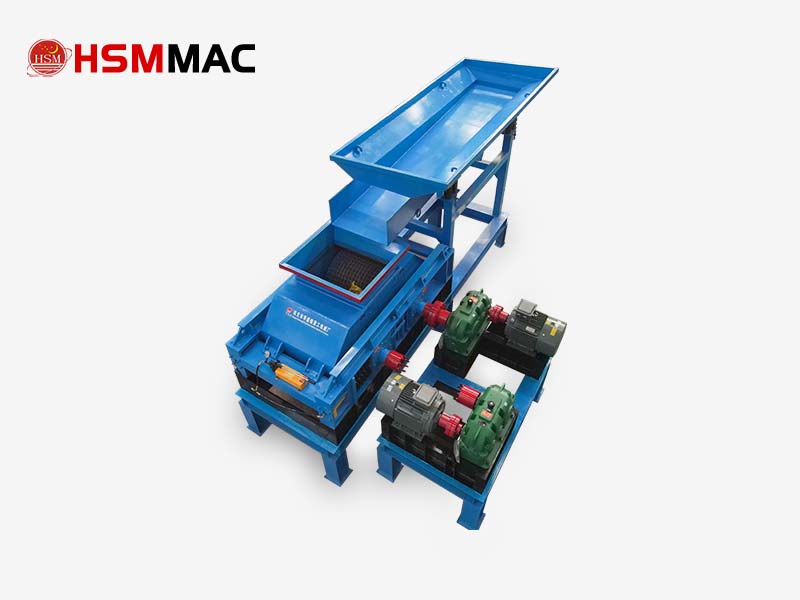
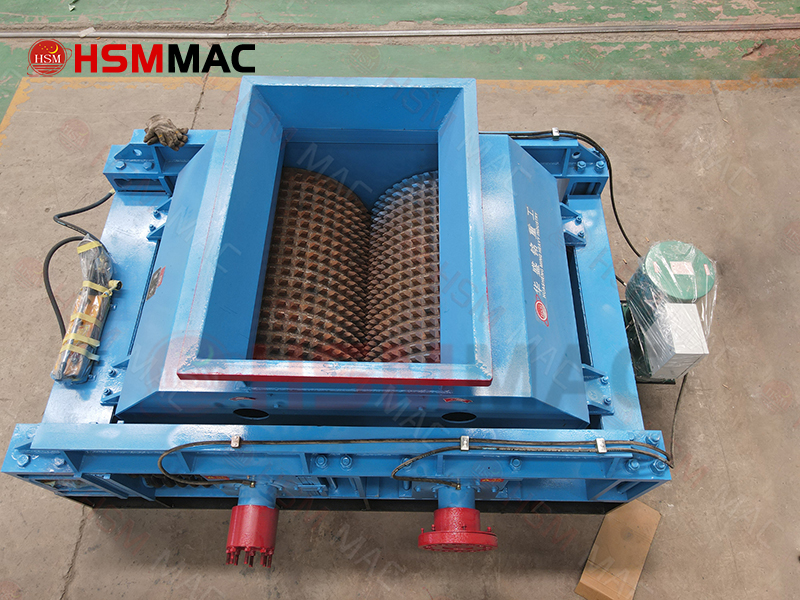
2026-09-21Executive Summary: To address common industry pain points in limestone sand making—such as excessive fine powder, uneven particle sizing, and tedious maintenance—the HSM Double Roller Sand Maker utilizes interparticle compression technology to process feed sizes up to ≤2 cm into high-quality manufactured sand ≤5 mm in a single pass. Featuring low dust emissions, high wear resistance, low operating costs, and versatile material adaptability, it is a highly reliable choice for aggregate processing plants looking to lower costs and boost efficiency. Core Performance Highlights & Technical Features Technical Feature Operational Performance & Value Delivered Crushing Principle & Particle Size Utilizes dual-roller compression and grinding; accepts feed up to ≤2 cm (20 mm) and yields premium construction sand ≤5 mm in a single pass. Product Quality & Particle Shape Significantly reduces over-crushing (fine dust) compared to impact crushers, yielding uniform, well-shaped cubic particles meeting strict construction aggregate standards. Wear Resistance & Lifespan Equipped with high-wear-resistant alloy roller shells, dramatically extending replacement cycles and minimizing maintenance shutdown frequency. Eco-Friendly & Low Maintenance Operates with minimal vibration and low dust emissions; simple structural design ensures quick disassembly, reducing labor and operational costs. Material Adaptability In addition to limestone, it efficiently handles calcite, river pebbles,…

HSM Heavy Industry Hydraulic Roller Grinding Mill: Empowering Mining and Aggregate Processing via “More Crushing, Less Grinding”
2026-09-17Executive Summary: Amid the quality upgrade in aggregate and mineral processing, the HSM Heavy Industry Hydraulic Roller Grinding Mill stands out as a premier choice for cost reduction and efficiency. Built on 150–300 MPa interparticle crushing technology, it integrates an intelligent hydraulic gap-adjustment and tramp iron protection system. Equipped with wear-resistant studded rollers and PLC central control, it offers capacities from 60 to 300 tph—ideal for fine crushing of hard rocks like river pebbles, gold, iron, and copper ores. I. Core Technological Highlights & Technical Specifications Technical Feature Core Specifications & Working Mechanism Working Principle & Pressure Interparticle bed crushing; applies 150–300 MPa high pressure between rollers to generate dense micro-cracks inside materials. Production Capacity 60–300 tph, flexibly matching small, medium, and large-scale mining processing plants. Smart Hydraulic Control Smooth hydraulic roll-gap regulation; features an automatic tramp iron relief system that resets automatically after uncrushables pass. Wear Resistance & Service Life Optional studded roller shells for abrasive feed, delivering 2–3x longer service life compared to standard rollers. Automation & Control Standard PLC centralized control system + dual-motor synchronous drive, lowering energy consumption and labor dependence. II. All-Scenario Applications & “More Crushing, Less Grinding” Advantage Aggregate Sand Making: High-efficiency processing of…

Roller Crusher vs. Impact Crusher for Sand Making: Which Should You Choose?
2026-09-15Direct Answer: Choose a Roller Crusher for hard, abrasive rocks (cobblestone, granite, quartz) to minimize wear costs, cut fine powder production, and ensure stable output sizing. Choose an Impact Crusher for soft to medium-hard rocks (limestone) when high reduction ratios and single-pass shaping are required. 📊 Comparative Breakdown: Roller Crusher vs. Impact Crusher Feature / Metric HSM Roller Crusher Impact Crusher Crushing Principle Material bed crushing by compression High-speed mechanical impact Material Hardness Hard/abrasive stone (cobblestone, granite, quartz, calcite) Medium-to-soft stone (limestone) Fines & Powder Strictly controllable fines; low needle/flake ratio Generates a higher volume of stone powder Wear Parts Cost Low wear consumption; energy-saving (“more crushing, less grinding”) High blow bar wear costs when handling hard materials Feed Size Capability Limited feed size; may require recirculation for ultra-fine sand Large feed capacity with a large reduction ratio Tramp Metal Defense Hydraulic overload protection avoids damage from iron objects Vulnerable to internal damage if tramp metal enters Quick Selection Guide Select Roller Crusher if: Processing hard, high-silica raw materials (cobblestone, granite, quartz), where controlling fine powder generation and minimizing ongoing operating costs are top priorities. Select Impact Crusher if: Processing soft-to-medium stones (limestone), requiring large single-stage reduction ratios and rounded…
-
How Double Roll Sand Making Machines Work: Compression-Based Fine Crushing Mechanics
2026-09-11Core Concept: In manufactured sand production, impact crushers and vertical shaft impactors (VSI) rely on high-velocity kinetic impact, whereas double roll sand making machines operate on interparticle compression and shear friction between counter-rotating rollers. By fracturing rocks along natural cleavage planes, this mechanism reduces over-grinding, yields well-rounded cubical manufactured sand with low flakiness, and maintains precise gradation via a fixed roll gap. Schematic diagram of double roll sand maker showing material drawn into the gap between counter-rotating rollers by friction, undergoing compression and discharge. 1. Compression Over Impact: Reducing Over-Grinding & Improving Sand Shape Unlike impact breakers that shatter rock forcefully, a double roll crusher draws material smoothly into the roll gap using surface friction from two independently driven wear-resistant rollers. Materials compress and shear along their natural crystal cleavage planes rather than shattering randomly, delivering distinct advantages: Crushing Feature Impact / VSI Crushers Double Roll Sand Making Machines Primary Mechanism High-speed kinetic collision / hammer strikes Squeezing, interparticle compression & shear friction Fracture Pattern Violent random splitting & impact shatter Layered cleavage cracking along natural grain boundaries Over-Grinding Rate Higher percentage of ultra-fine dust (<0.075 mm) Significantly reduced over-grinding, higher usable sand yield Finished Sand Shape Variable flakiness; high…
-
Conquering Hard Materials: High-Capacity Double-Roll Sand-Making Machines by Huashengming Heavy Industry
2026-09-05Product Overview: Crushing high-hardness materials like river pebbles, granite, and basalt has long been a primary bottleneck for aggregate producers—causing rapid wear, exorbitant maintenance costs, and volatile output. Huashengming Heavy Industry (HSM) resolves this pain point through proprietary casting processes and intelligent double-roll crushing technology, delivering single-unit capacities up to 450 TPH and extended roller shell lifespans of 1 to 3 years. 🪨 Hard-Rock Capabilities & Direct Feed Range Traditional impact or hammer-based sand makers experience severe wear and drastic capacity drops when encountering hard, abrasive stone. HSM double-roll sand makers pair high-chromium alloy roller shells with an automatic hydraulic buffering system, boosting wear and compression resistance by 300% to ensure continuous, jam-free production. Maximum Direct Feed Size: ≤ 50 mm (Direct sand making without secondary pre-crushing). Applicable Feed Materials: River pebbles, cobbles, granite, basalt, iron ore, and over 200 hard minerals. 📈 Full-Range Model Hierarchy (5 to 450 TPH) HSM offers over 20 standardized model configurations engineered to fit various plant sizes, from entry-level sand yards to large-scale commercial ready-mix concrete suppliers: 1. Small Series (5–50 TPH) Low initial investment and fast return on investment; ideally suited for small-scale aggregate plants and startups. 2. Medium Series (50–300 TPH) The…
-
High-Pressure Grinding Rolls (HPGR) vs. Impact Crushers in Iron Ore Processing
2026-09-04High-Pressure Grinding Rolls (HPGR) vs. Impact Crushers in Iron Ore Processing: High-Efficiency & Low-Wear Crushing Upgrade Overview: Iron ore features extreme hardness and strong abrasiveness. Processing it with impact crushers often leads to rapid wear, unstable discharge sizing, over-grinding, and excessive power consumption per ton. High-Pressure Grinding Rolls (HPGR) / Hydraulic High-Pressure Roller Mills replace high-velocity strikes with continuous, high-pressure material-bed comminution, maximizing energy utilization, ensuring uniform particle sizing, and lowering operational costs. ⚡ Mechanism Comparison: Impact Striking vs. High-Pressure Material-Bed Comminution The operational issues encountered with impact crushers stem directly from their working principle: high-speed mechanical strikes against extremely hard ore yield low energy utilization, localized severe wear, and uncontrollable particle size distributions. The HPGR Advantage: HPGR operates on continuous high-pressure bed comminution between counter-rotating rollers. Materials are compacted and crushed layer-by-layer rather than struck via single-point impacts. Energy is applied directly to particle fractures, resulting in superior size uniformity and evenly distributed roll-surface wear. 📊 Field Performance Comparison Performance Metric Impact Crusher High-Pressure Grinding Roll (HPGR) Finished Product Particle Sizing High fines content, high proportion of flaky/elongated particles, wide size distribution. Increases downstream grinding & separation load. Inter-particle compression fractures ore along natural texture lines. Concentrated particle sizing,…

Tooth Roller Crusher: The Ideal Solution for Coal Crushing
2026-09-01In the coal mining and processing industry, crushing equipment plays a vital role in determining operational efficiency, product quality, and overall production costs. Among the various types of crushers available, the tooth roller crusher—also known as the double-tooth roller crusher—has emerged as a preferred choice for coal crushing applications. This article provides a comprehensive overview of tooth roller crushers, their working principles, key advantages, and their extensive applications in the coal industry What Is a Tooth Roller Crusher? A tooth roller crusher is a type of crushing equipment that utilizes two or four toothed rollers rotating in opposite directions to shear, squeeze, and split materials. It is specifically designed for crushing medium-hard and brittle materials, with coal being one of its primary applications. The equipment is widely used in coal mines, coal preparation plants, metallurgical facilities, and other industrial sectors. The crusher typically consists of a transmission device, frame, crushing rollers, hydraulic adjustment systems, and coupling mechanisms. Working Principle The working principle of a tooth roller crusher is fundamentally different from traditional crushers that rely on impact and compression. Instead, it takes advantage of the fact that materials like coal have compressive strengths far greater than their shear and tensile…
 +86-13838144666
 +86-13838144666