This article examines the primary cause of rapid component wear in river pebble sand-making operations—high silica ($SiO_2$) content combined with concentrated inter-roll comminution pressure. By analyzing Huashengming’s (HSM) high-chromium alloy metallurgies, thickened wear layers, condition-matched alloy tiers, and proactive maintenance practices, the piece demonstrates how plant operators can transform wear from an unpredictable expense into a controlled, low Total Cost of Ownership (TCO) advantage.
In river pebble manufactured sand production, plant operators consistently report wear as their most severe operational headache: rapid roller shell erosion, high replacement parts expenses, frequent unscheduled downtime, and corresponding losses in production yield. Because river pebbles possess high silica ($SiO_2$) content and extreme abrasive hardness, standard manganese or steel shells fail prematurely. Huashengming (HSM) wear-resistant roller shells solve this issue through upgraded high-chromium alloy metallurgies, thickened sacrificial wear layers, and condition-matched hardness tiers—ensuring controllable wear rates and extended operating lifespans even in abrasive hard-rock sand making.
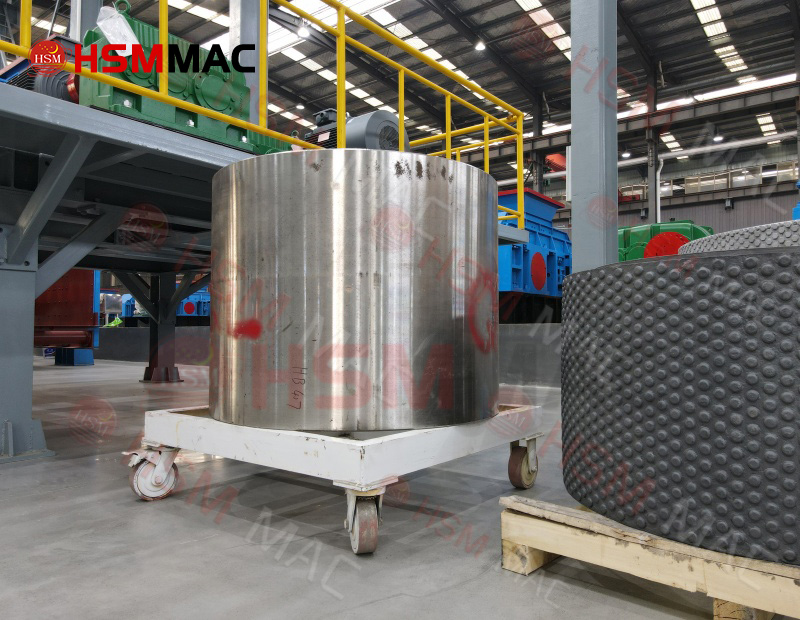
High-Chromium Alloy Wear-Resistant Roller Shell
1. Why Is Wear So Severe in River Pebble Sand Making?
- 1. Extreme Mineral Abrasiveness: River pebbles contain high concentrations of quartz ($SiO_2$) with compressive Mohs hardness near 7, exerting severe gouging and micro-cutting forces across metal surfaces.
- 2. Concentrated Comminution Pressure: Fine sand making requires tight inter-roll gap clearances and high crushing pressure, concentrating stress on the roller face far more intensely than coarse reduction circuits.
- 3. Failure of Standard Metallurgies: Conventional manganese or commercial steel shells lack sufficient matrix hardness to resist quartz gouging, resulting in rapid surface gouging and frequent replacement halts.
Wear is an unavoidable operating variable in river pebble processing; selecting the proper alloy metallurgy is the key to managing long-term plant profitability.
2. Core Features of HSM Wear-Resistant Roller Shells
| Engineering Feature | Design & Metallurgical Mechanism | Plant Operational Value |
|---|---|---|
| High-Chromium Alloy Matrix | Advanced alloy casting formulated with micro-carbide structures specifically resistant to quartz abrasion 【Custom Parameters Available】. | Resists micro-cutting gouges, substantially extending operating life under abrasive pebble feeds. |
| Thickened Sacrificial Wear Layer | Increased alloy thickness profile providing greater usable wear volume before replacement 【Custom Parameters Available】. | Extends changeout intervals, reducing total maintenance interventions over annual operating cycles. |
| Condition-Based Hardness Matching | Matching alloy hardness tiers directly to tested raw ore silica indexes 【Custom Parameters Available】. | Prevents both under-specification and unnecessary capital over-spending. |
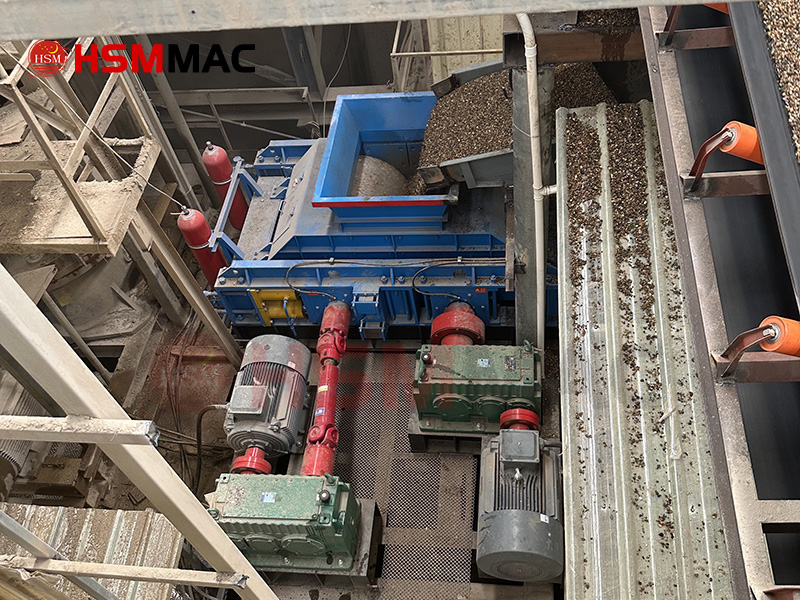
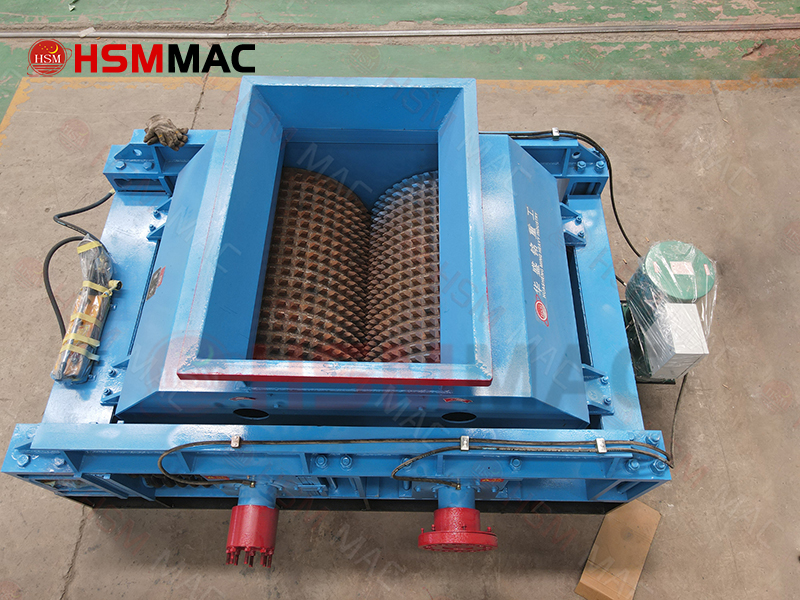
On-site Operation of a Pebble Double-Roll Crusher for Sand Production
3. Plant Operational Value Delivered by HSM Wear Shells
- Reduced Parts Replacement Frequency: Longer shell service life lowers annual consumable parts expenses.
- Minimized Unscheduled Downtime: Fewer maintenance stops translate directly to higher annual tonnage yield.
- Stable Output Gradation: Maintaining consistent roll profile shapes ensures stable product fineness modulus and high qualification rates.
- Lowest Total Cost of Ownership (TCO): Higher upfront wear package investment returns far greater long-term savings in reduced labor, parts, and lost production 【Custom Parameters Available】.
4. Actionable Rules to Maximize Roller Shell Longevity
- Specify Hard-Rock Metallurgy: Always select heavy-duty wear tiers when processing abrasive river pebbles rather than attempting to rely on standard manganese shells 【Custom Parameters Available】.
- Regulate Feed Intake & Remove Tramp: Enforce strict maximum feed size limits and install magnetic separators upstream to catch tramp metal before it gouges roll faces.
- Maintain Routine Maintenance Inspection: Regularly inspect surface wear profiles, performing early touch-up grinding or maintenance before deep grooves develop 【Custom Parameters Available】.
- Conduct Factory Trial Testing: Verify material abrasiveness and expected wear rates using hard performance data through empirical sample trial testing 【Custom Parameters Available】.
Tired of Frequent Shell Replacements on River Pebble Lines?
Severe wear in river pebble sand making does not have to be accepted as an uncontrolled loss. Partner with Huashengming Heavy Industry for high-chromium wear alloys, condition-matched configurations, and pre-purchase trial testing 【Custom Parameters Available】.
Contact HSM engineers today to discuss your rock abrasiveness profile or schedule a free raw material sample trial test.
 +86-13838144666
 +86-13838144666