Maximizing ROI: Why River Pebble Sand Plants are Switching to Hydraulic Roller Technology
- 2026-05-18
- Huashengming Machinery
May 18, 2026
Maximizing ROI: Why River Pebble Sand Plants are Switching to Hydraulic Roller Technology
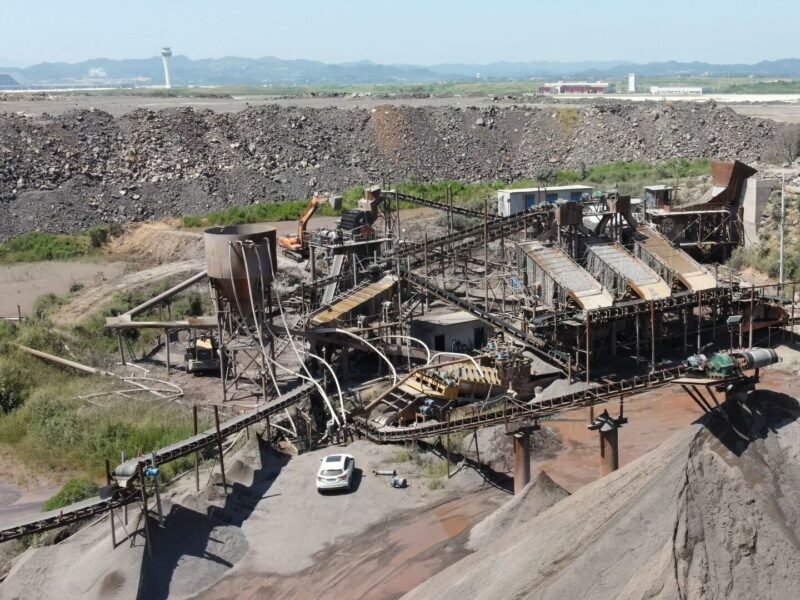
Modern Sand Production Plant Site
As the demand for high-quality construction aggregates continues to surge in 2026, the focus for plant owners has shifted from “maximum output” to “maximum profit margin.” When processing high-silica river pebbles, the biggest enemy of profit has always been the frequent replacement of wear parts.
The Hidden Cost of Impact Crushing
Traditionally, many plants utilized VSI (Vertical Shaft Impact) crushers for river stone. While effective for shaping, the high-speed impact leads to devastating wear on throw-out heads when dealing with Mohs hardness levels above 7. Data from recent site audits shows that some plants spend over 40% of their operating budget purely on replacement parts.
Key Trend: The Move to Static Pressure
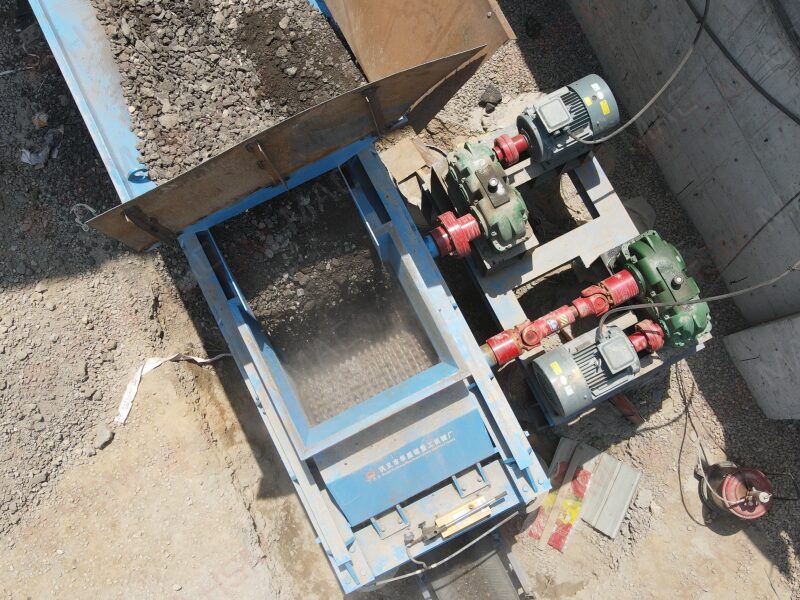
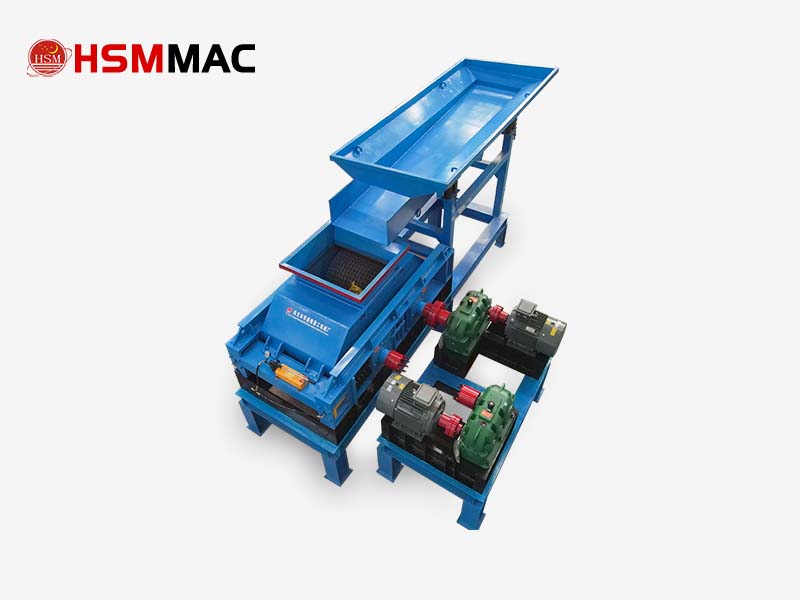
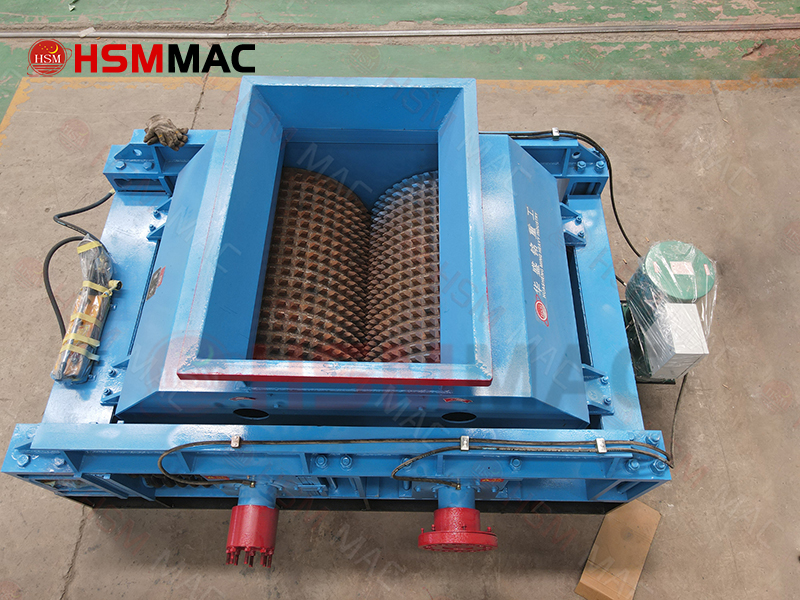
Hydraulic Double Roller Crushers are gaining traction because they crush via static pressure rather than high-speed impact. This fundamental shift reduces the linear speed of the wear surface, extending the life of the alloy roller skins by up to 300%.
2026 Market Outlook
Experts predict that integrated sand-making lines featuring intelligent hydraulic control will become the industry standard. These systems not only lower the cost per ton but also allow for precise adjustment of the fineness modulus, ensuring the finished sand meets the strict requirements of high-performance concrete (HPC).
Looking to optimize your river pebble production line? Contact our technical team for a cost-benefit analysis.
 +86-13838144666
 +86-13838144666