When establishing a high-efficiency soil sand production line, selecting the right primary crushing equipment is pivotal to end-product quality and operational throughput.
The Huashengming
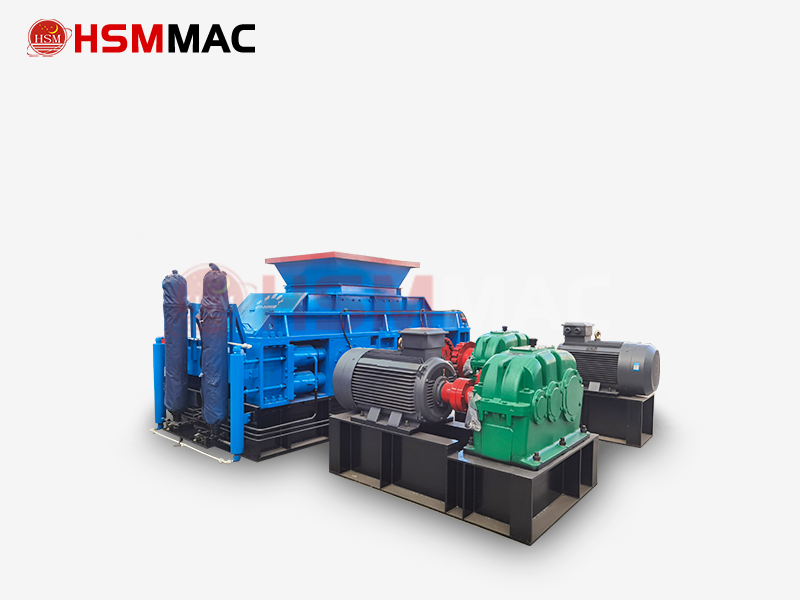
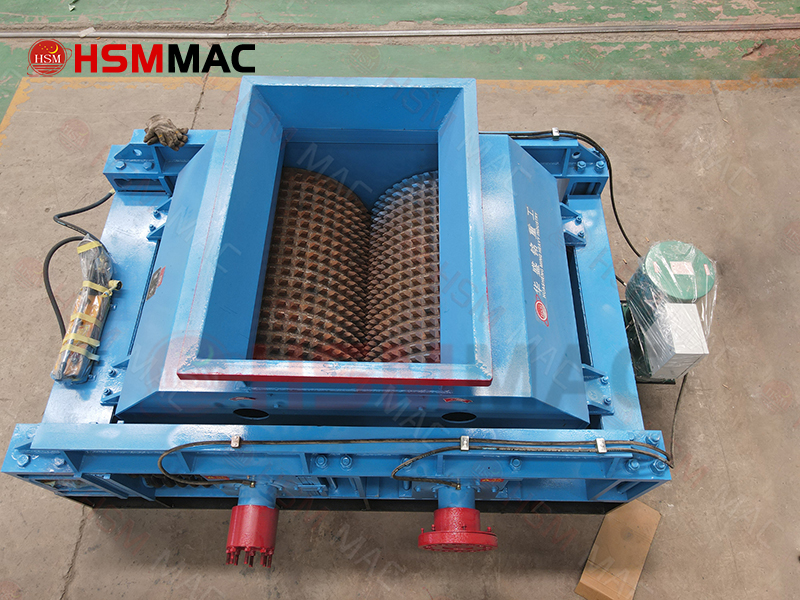
Roller Crusher serves as the optimal soil pre-processing unit. Its unique performance advantages directly enhance the operational efficiency of your soil sand making plant.
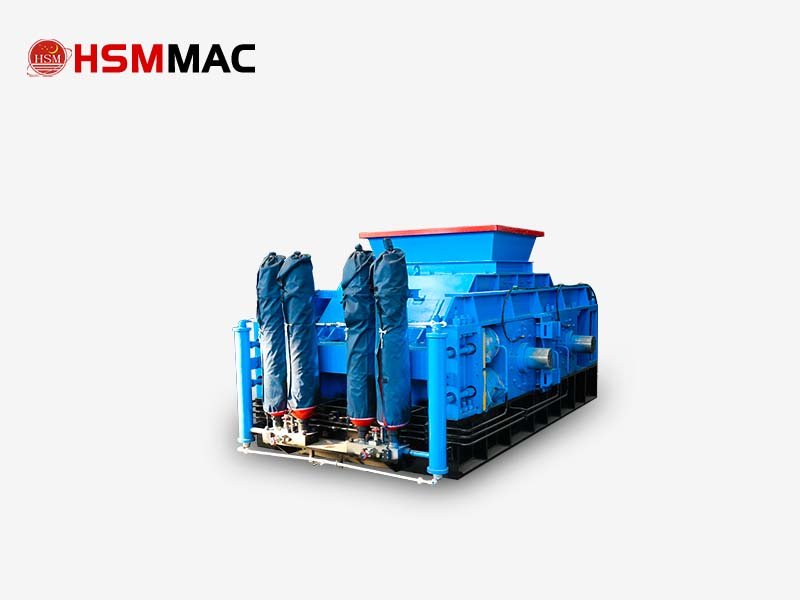
Roller Crusher
1.Preserving Soil Structure
Maintaining the natural bonding properties of soil is critical for sand production. The Huashengming Roller Crusher employs gentle compressive force: it reduces large soil aggregates while retaining clay’s cohesive characteristics. This yields optimized feedstock for your soil sand making system to produce high-bonding manufactured sand.
2.Handling Variable Soil Conditions
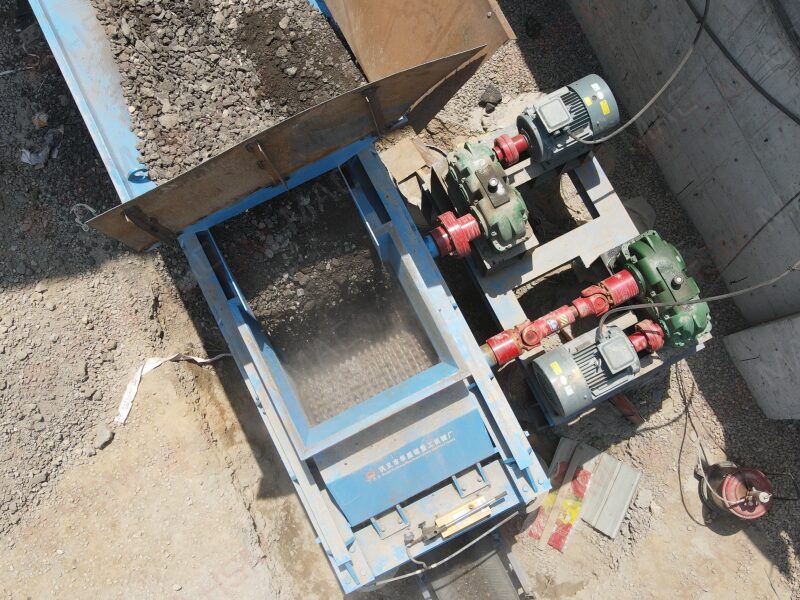
Diverse soil types demand adaptable processing solutions. The Roller Crusher is compatible with a full spectrum of soil materials—from sandy loam to high-clay substrates. Unlike conventional crushers, it accommodates material variability within soil sand production systems with minimal downtime.
3.Preparing Ideal Feed Material
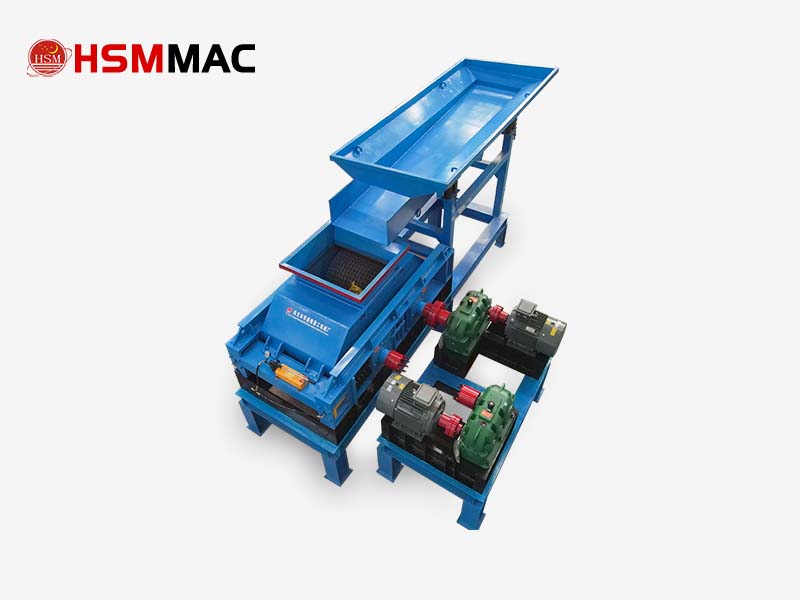
Positioned upstream of your soil sand making equipment, the Roller Crusher produces uniformly sized, moderately compacted feedstock. This not only elevates the gradation quality of the final sand but also enables your soil sand making unit to operate at rated capacity, delivering construction-grade sand with optimal bulk density and workability.
 +86-13838144666
 +86-13838144666