Direct Answer: Choose a Roller Crusher for hard, abrasive rocks (cobblestone, granite, quartz) to minimize wear costs, cut fine powder production, and ensure stable output sizing. Choose an Impact Crusher for soft to medium-hard rocks (limestone) when high reduction ratios and single-pass shaping are required.
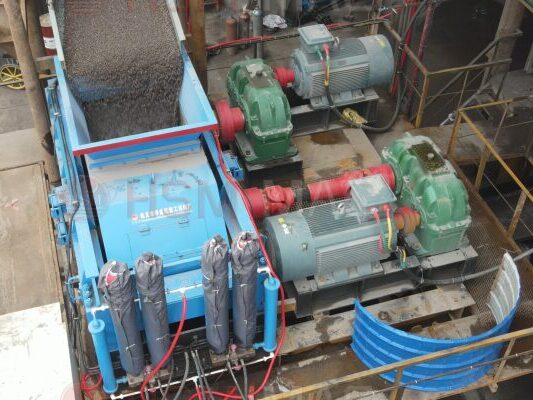
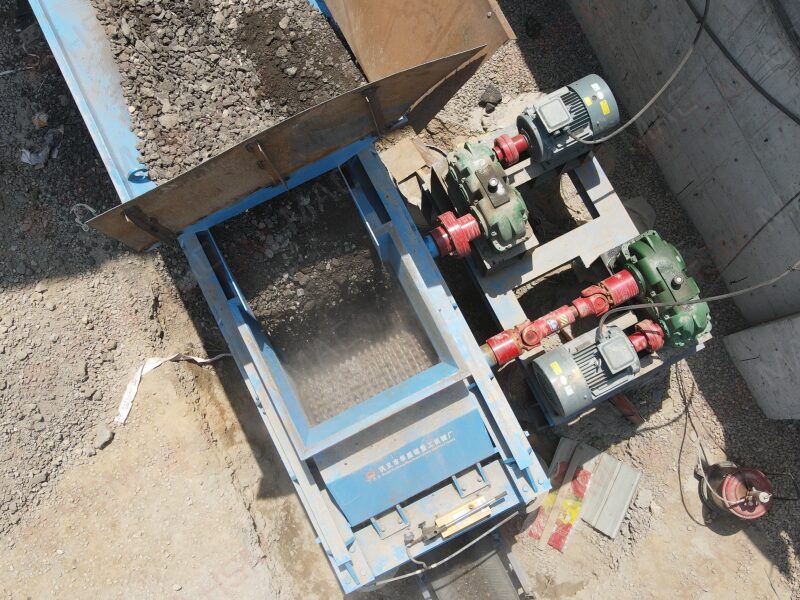
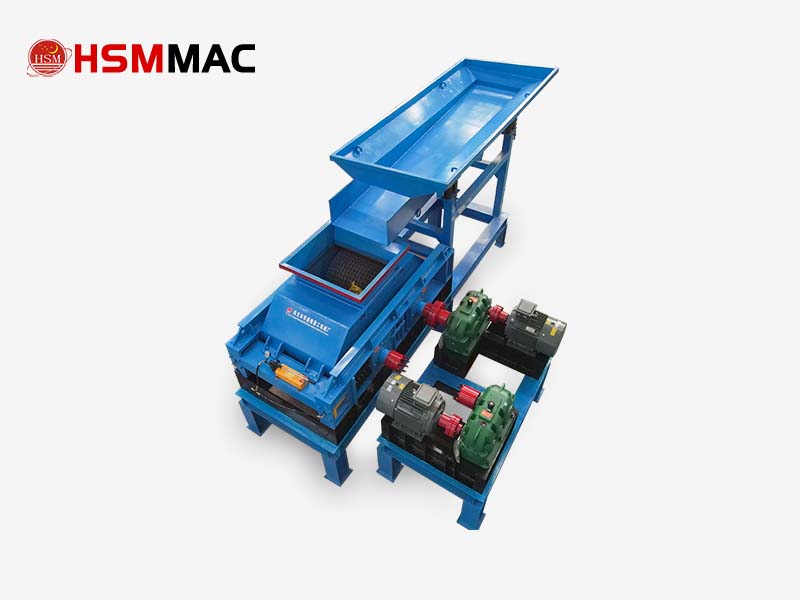
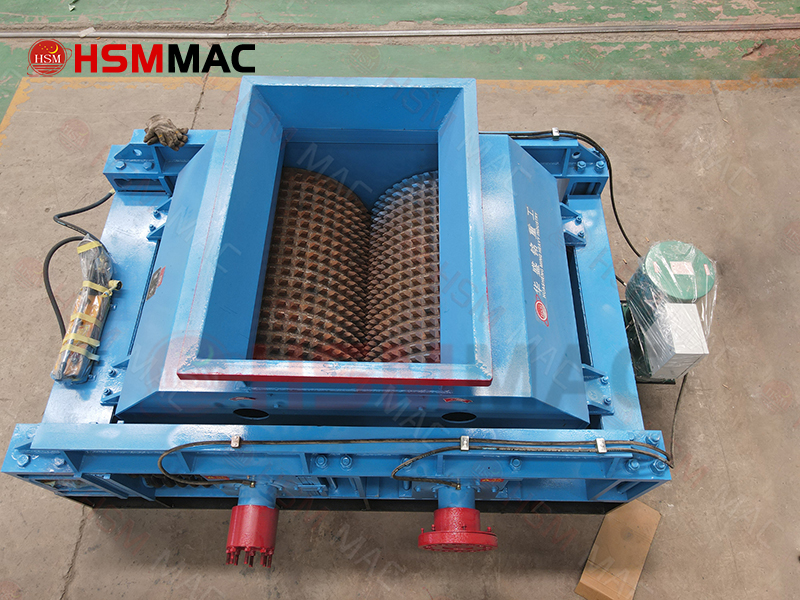
Roller Crusher
📊 Comparative Breakdown: Roller Crusher vs. Impact Crusher
| Feature / Metric | HSM Roller Crusher | Impact Crusher |
|---|---|---|
| Crushing Principle | Material bed crushing by compression | High-speed mechanical impact |
| Material Hardness | Hard/abrasive stone (cobblestone, granite, quartz, calcite) | Medium-to-soft stone (limestone) |
| Fines & Powder | Strictly controllable fines; low needle/flake ratio | Generates a higher volume of stone powder |
| Wear Parts Cost | Low wear consumption; energy-saving (“more crushing, less grinding”) | High blow bar wear costs when handling hard materials |
| Feed Size Capability | Limited feed size; may require recirculation for ultra-fine sand | Large feed capacity with a large reduction ratio |
| Tramp Metal Defense | Hydraulic overload protection avoids damage from iron objects | Vulnerable to internal damage if tramp metal enters |

Impact Crusher
Quick Selection Guide
- Select Roller Crusher if: Processing hard, high-silica raw materials (cobblestone, granite, quartz), where controlling fine powder generation and minimizing ongoing operating costs are top priorities.
- Select Impact Crusher if: Processing soft-to-medium stones (limestone), requiring large single-stage reduction ratios and rounded shaping without strict limits on fine powder.
Summary: Aligning machine mechanics with raw rock characteristics is key. For high-hardness rocks, roller crushers provide long-term energy savings and lower wear costs, while impact crushers excel at single-pass reduction on softer stones.
 +86-13838144666
 +86-13838144666