Jaw Crusher vs. Roll Crusher. Wondering which crusher fits your needs? Let’s break down the core differences between jaw crushers and roll crushers.

Jaw Crusher
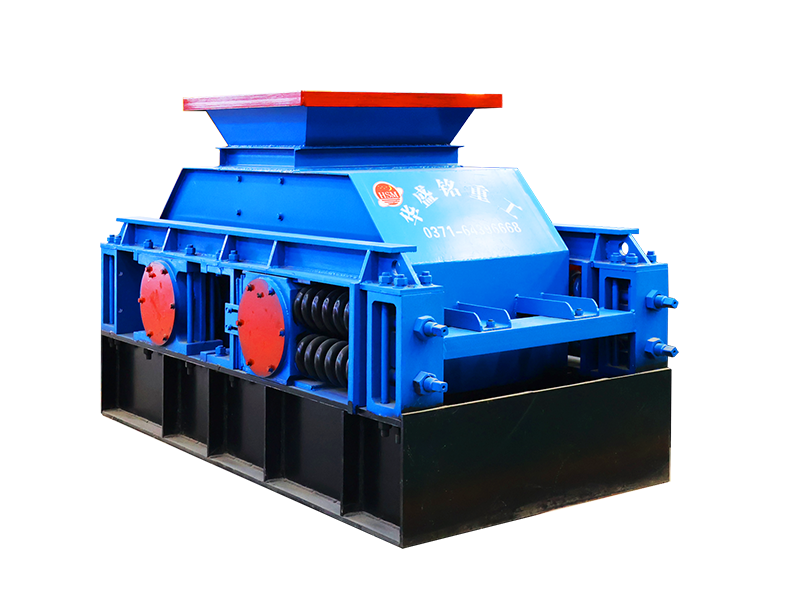
Roll Crusher
1. Core Structure
- Jaw Crusher: Has a fixed jaw and a movable jaw (like a “jaw” shape) that moves back and forth.
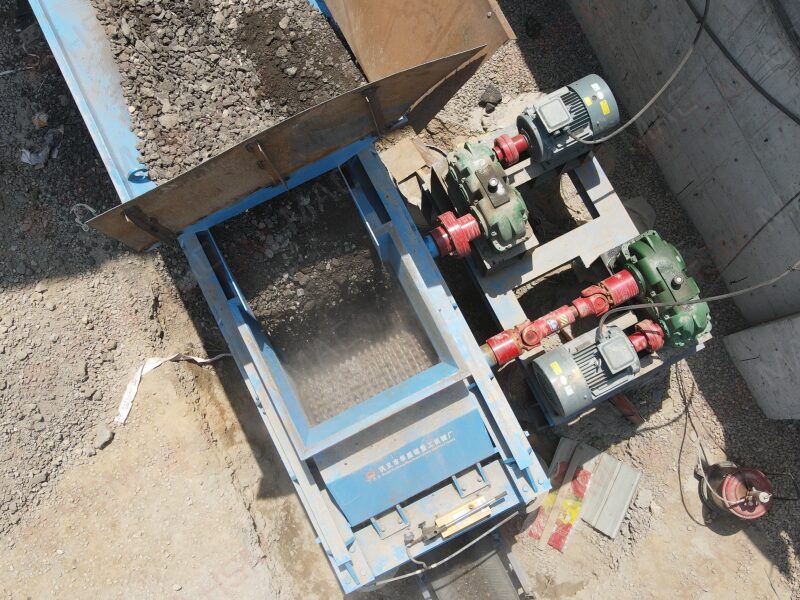
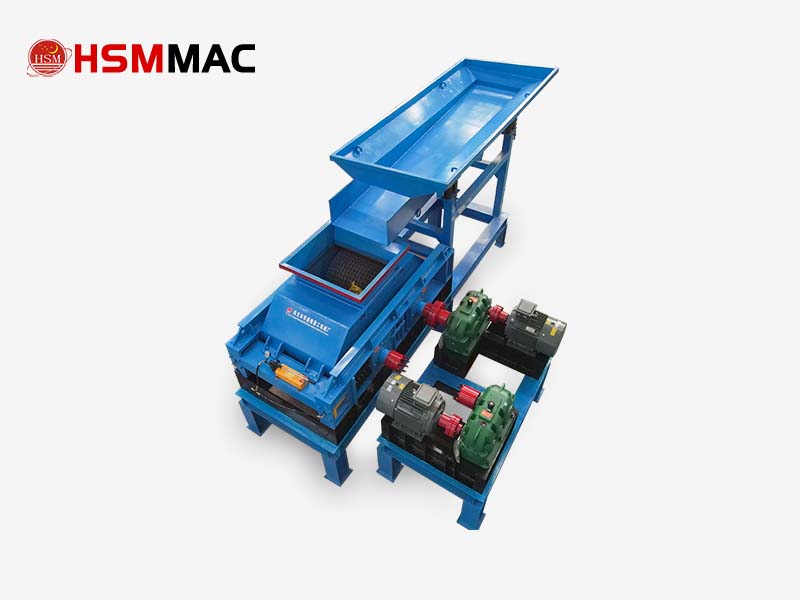
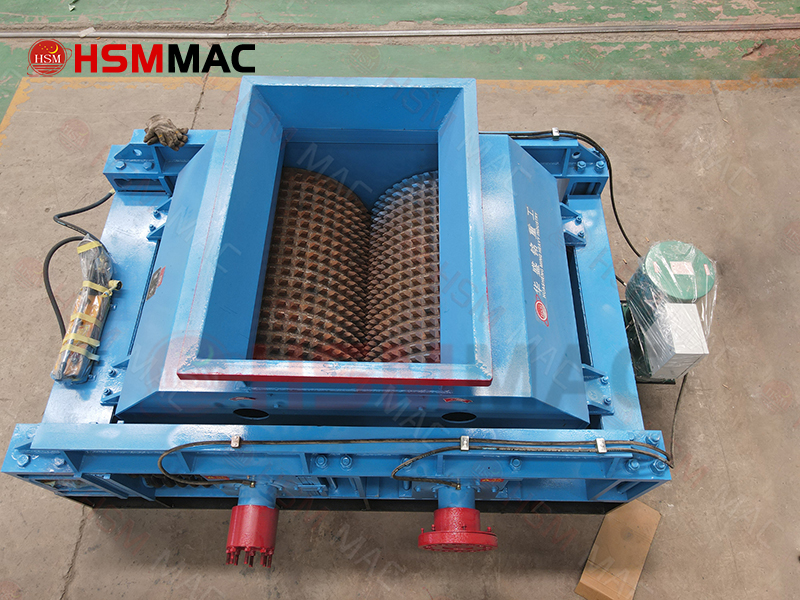
- Roll Crusher: Features 2–4 rotating rolls (smooth or toothed) that work in pairs.
2. Crushing Principle
- Jaw Crusher: Uses “compression crushing” — the movable jaw squeezes materials against the fixed jaw to break them.
- Roll Crusher: Relies on “shearing & squeezing” — rotating rolls grab and crush materials between them.
3. Suitable Materials
- Jaw Crusher: Ideal for hard/abrasive materials (granite, basalt, ore) — great for primary crushing.
- Roll Crusher: Better for medium-soft materials (coal, limestone, clay) — often used for secondary crushing.
4. Final Product
- Jaw Crusher: Output has irregular shapes; particle size varies more.
- Roll Crusher: Produces uniform, cubical particles with less dust — good for strict size requirements.
 +86-13838144666
 +86-13838144666