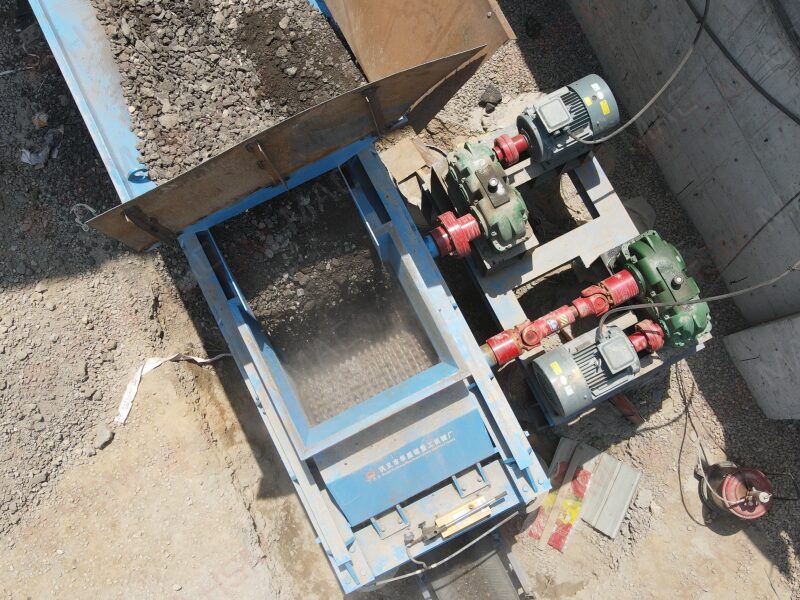
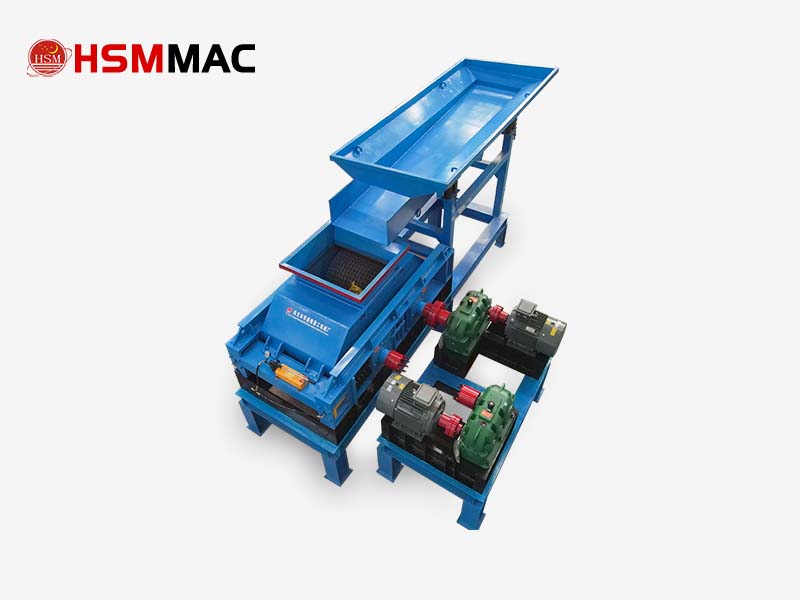
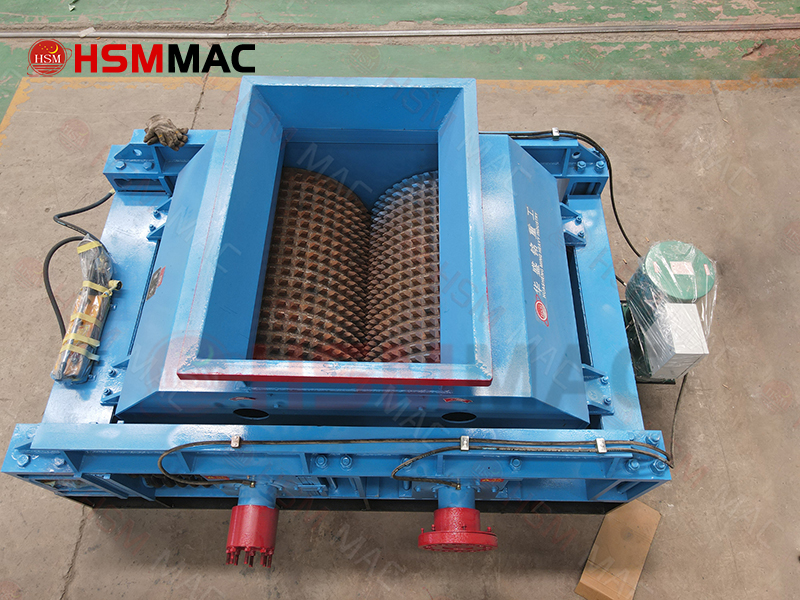
0res for copper and gold crusher Also known as a double-roll crusher, it demonstrates outstanding performance in crushing copper and gold ore,with significant advantages particularly in the medium and fine crushing stages.
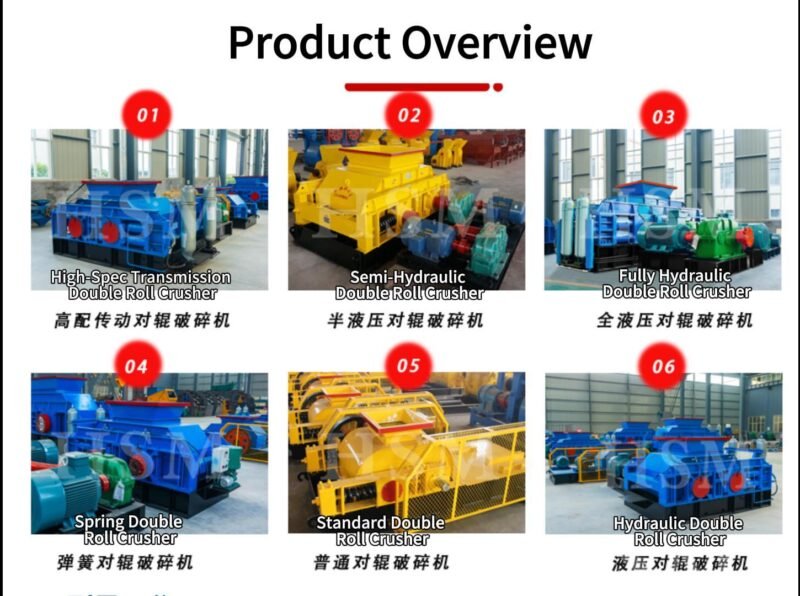
ores for copper and gold crusher
1. Core Competitive Advantage: ores for copper and gold crusher double-roll crusher
Precise and Controllable Particle Size
The roll gap is adjusted via a hydraulic system (accuracy ±1mm), enabling stable control of discharge particle size within 1-5mm. This meets the optimal
particle size requirements for leaching/flotation processes. The over-crushing rate is **<10%, minimizing loss of fine metal particles and directly boosting
recovery rates by 10%-15%.
Wear-Resistant Durability & Low Maintenance
Roll liners utilize high-chromium manganese steel + rare metal alloy (hardness HRC ≥ 60), delivering a service life exceeding 2 years—three
times that of conventional equipment. Modular design enables rapid 1-hour replacement, cutting annual maintenance costs by 50%.
Energy-efficient and eco-friendly
Layer compression crushing consumes 30%-45% less electricity than impact crushers, with power consumption per ton of ore at just 0.8-1.2 yuan.
The enclosed structure combined with pulse dust removal ensures dust emissions <10mg/m³and noise levels **≤75dB(A), meeting green mining standards.
Multi-Material Adaptability
Processes copper and gold ores (including quartz veins and other hard minerals) with compressive strength ≤250MPa while maintaining high efficiency
at moisture content ≤35% (thanks to anti-clogging tooth roll design). Single unit accommodates diverse ore types.
Overload Protection & Stability
Hydraulic springs automatically retract upon encountering hard objects (e.g., iron blocks) to safeguard core components. PLC intelligent monitoring system
dynamically adjusts pressure and speed, achieving a failure rate **<1%.

In gold ore processing, the double-roll crusher may appear traditional, yet it serves as the most effective ‘gold guardian’ for protecting gold particles.
In copper ore processing, it functions more like a precise ‘size regulator,’ requiring coordination with other equipment to deliver maximum value.
 +86-13838144666
 +86-13838144666