Double-Roll Crushers for Hard-Rock Sand-Making: Advantages & Critical Requirements
Key Advantages in Hard-Rock Sand Processing
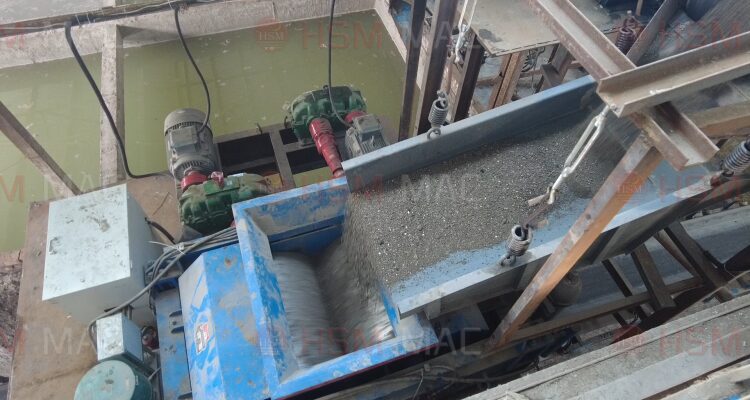
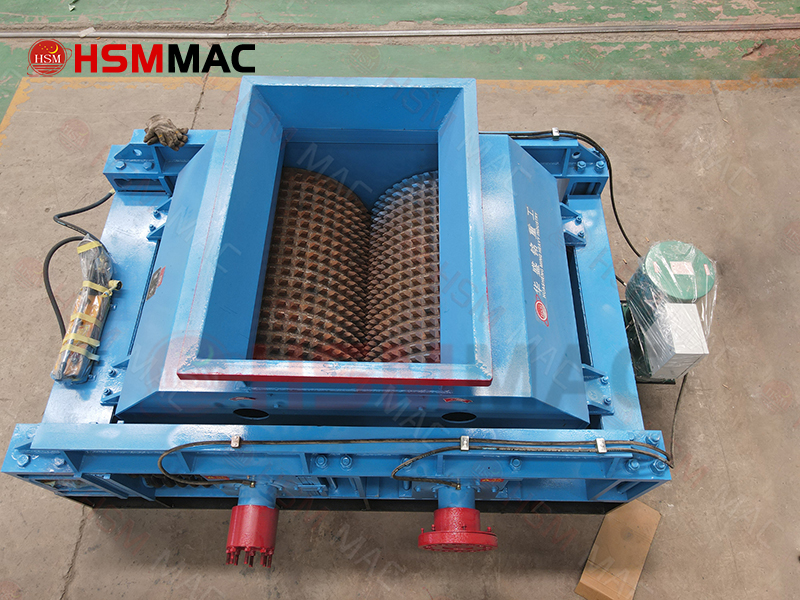
Hydraulic double-roll crusher
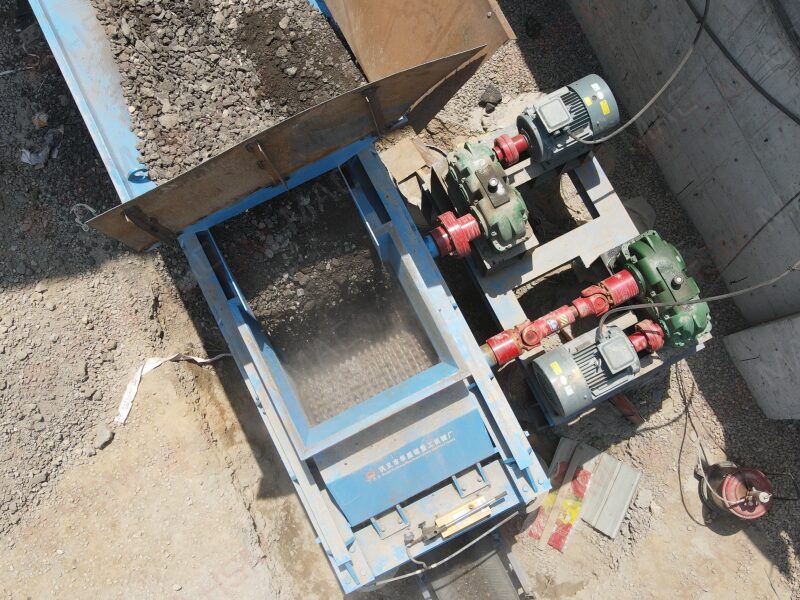
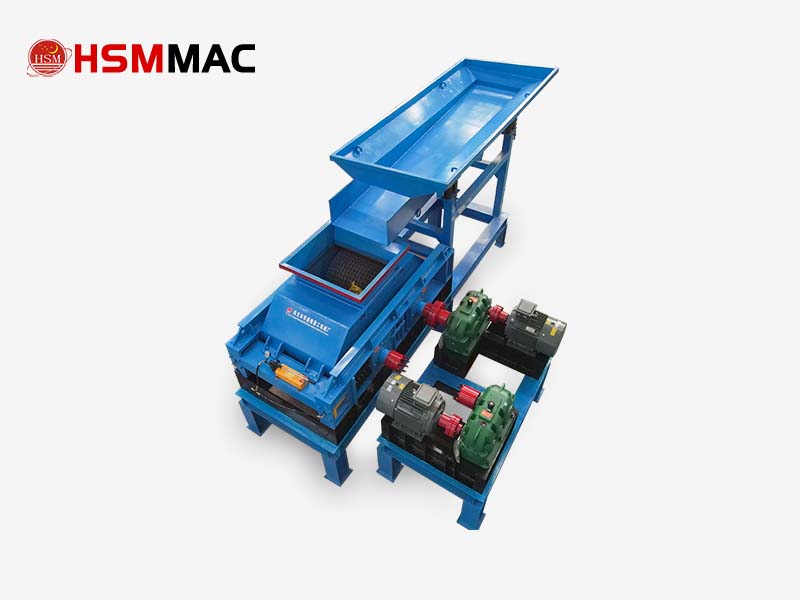
Figure 1: Hydraulic double-roll crusher setup configured for abrasive stone sand production
Cubical Product Shape & Controllable Fines:By crushing rocks via static compression rather than high-speed impact, double-roll machines produce mostly cubical particles with minimal flaky fragments. They generate drastically less stone powder than hammer crushers, ensuring tightly controlled fines content for premium-grade aggregate.
Wear-Resistant High-Chromium Alloy Shells:Equipped with high-chromium alloy roller shells, hydraulic double-roll crushers withstand heavy abrasion and experience even surface wear. Unlike hammer crushers that demand frequent hammer replacements, roller shells deliver longer service cycles and minimize costly downtime.
Hydraulic Relief Protection Against Tramp Iron:Hydraulic models feature an automatic pressure-relief system. If uncrushable metal impurities enter the crushing chamber, the rollers automatically retract to prevent rigid impact damage to the frame or gears. (Spring-type crushers offer basic buffering but far weaker protection.)
Consistent Particle Size Control:Discharge size is directly determined by adjusting the gap between the two counter-rotating rollers. Once set, output stays consistent, stably producing manufactured sand in the 1–20 mm range.
Energy-Efficient & Low Operational Costs:Compression crushing requires significantly less energy per ton of hard rock than impact-based methods, lowering electricity bills in continuous medium-to-large plant operations.
Simple Design & Easy Maintenance:With a compact structure free of excessive fragile parts, the primary wearing component is the roller shell itself, which can be dismounted and swapped out quickly.
Flexible Gradation Adjustment:Operators can easily switch production targets between fine sand, medium sand, and small aggregates simply by resetting the roller discharge gap.
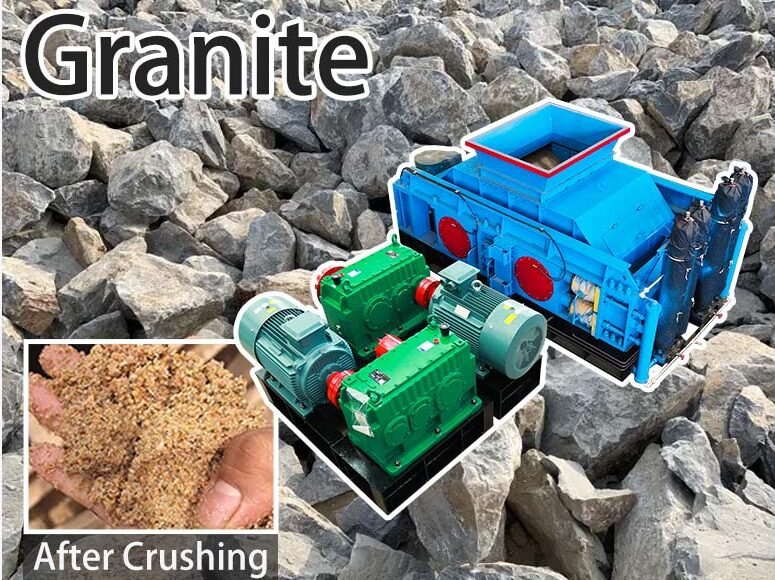
Granite Hydraulic Roller Crusher
Figure 1: Hydraulic double-roll crusher setup configured for abrasive stone sand production
⚠️ Important Considerations for Hard-Rock Applications
- Pre-Crushing is Mandatory: Smooth rollers have limited biting ability on large, smooth hard rocks. Raw stone must be pre-crushed by an upstream jaw crusher down to 80–100 mm max before feeding into the double-roll crusher to prevent slipping.
- Select Hydraulic Models Only: Standard spring-type units suffer from accelerated roller wear when exposed to continuous hard-rock crushing. Always choose a hydraulic unit with high-chromium alloy shells for heavy-duty setups.
- Plan for Reduced Output Margins: Processing high-hardness stone inherently reduces overall throughput. Always factor in a sufficient capacity margin when sizing your crusher model.
 +86-13838144666
 +86-13838144666