How does the Double Tooth Roller Crusher prevent clogging when processing sticky or high-moisture materials like wet coal and clay?
- 2026-05-08
- Huashengming Machinery
Technical FAQ: Material Handling & Stability
Q
How does the Double Tooth Roller Crusher prevent clogging when processing sticky or high-moisture materials like wet coal and clay?
A
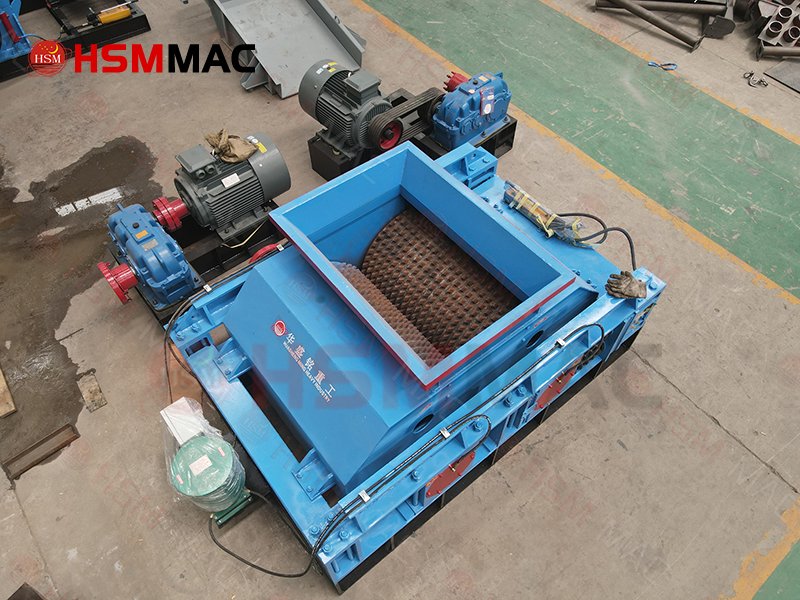
Double Tooth Roller Crusher
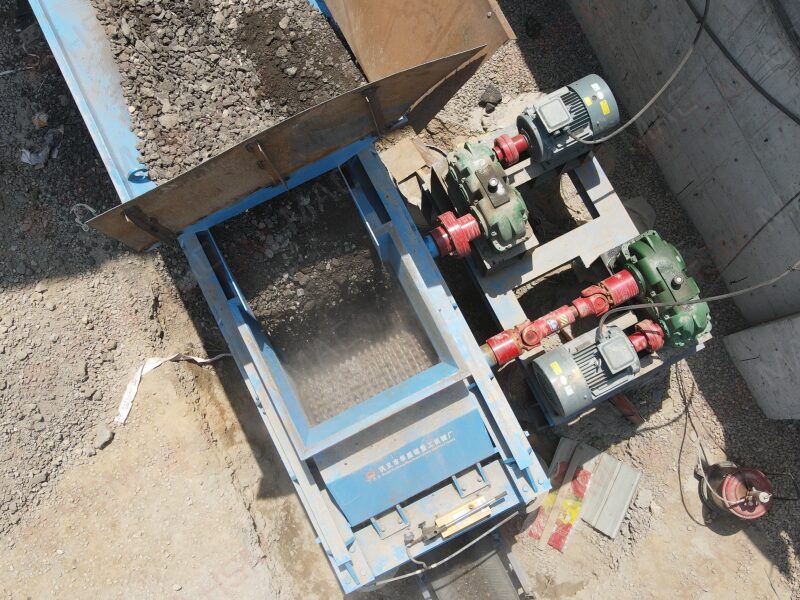
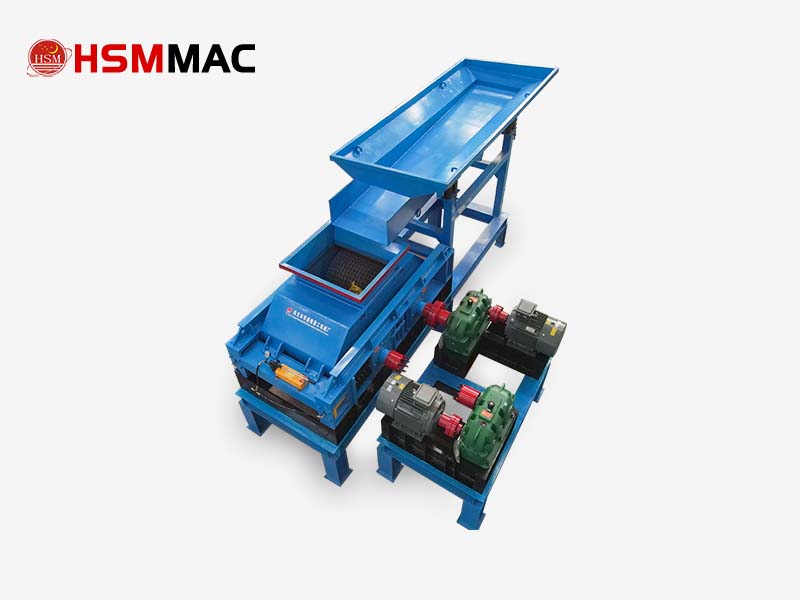
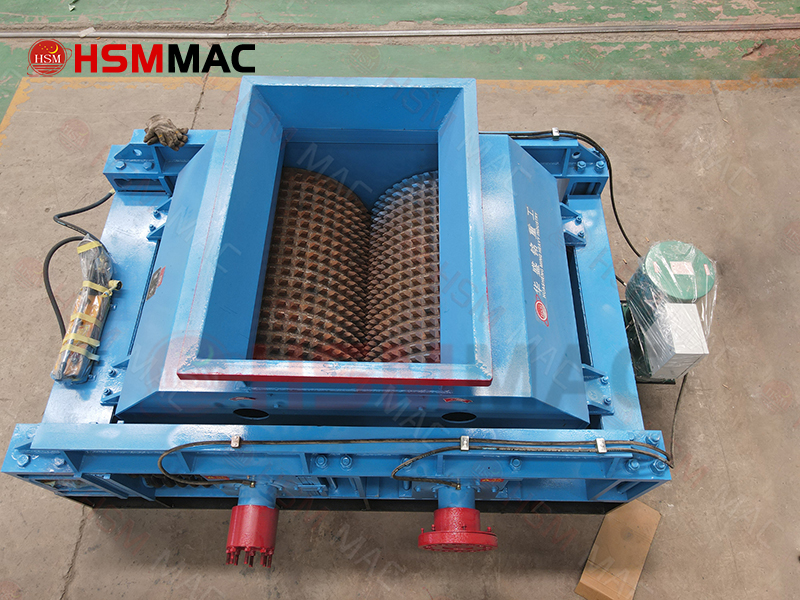
This is one of the most significant advantages of HSM’s Hydraulic Double Tooth Roller Crusher. Unlike traditional jaw or impact crushers that rely on pressure or impact (which often compress wet material into a solid “cake”), our machine uses a Shear & Splitting mechanism.
Key reasons why it doesn’t clog:
- Self-Cleaning Tooth Geometry: The teeth are arranged in a specific pattern where the rotation of the rollers naturally strips away sticky material, preventing buildup on the roller surface.
- Forced Discharge: The serrated teeth actively “grip” the material and pull it through the crushing chamber. This mechanical force overcomes the internal friction of wet mud or clay.
- No Sieve Plate: Traditional crushers often use bottom screens that get blinded by moisture. The tooth roller controls size through the gap between the teeth, allowing high-moisture fines to pass through freely.
Pro Tip: For extremely sticky bauxite or clay ore, HSM can further customize the tooth length and spacing to ensure 100% non-clogging performance even in the harshest rainy seasons.
Have more technical questions about material adaptability?
© 2026 HSM Heavy Industry | Specialized Crushing Equipment Support
 +86-13838144666
 +86-13838144666