Grinders and crushers, common in workshops, kitchens and mines, both reduce material size but differ in purpose, mechanism and application.
Below are their key differences to help you choose the right one.

grinder

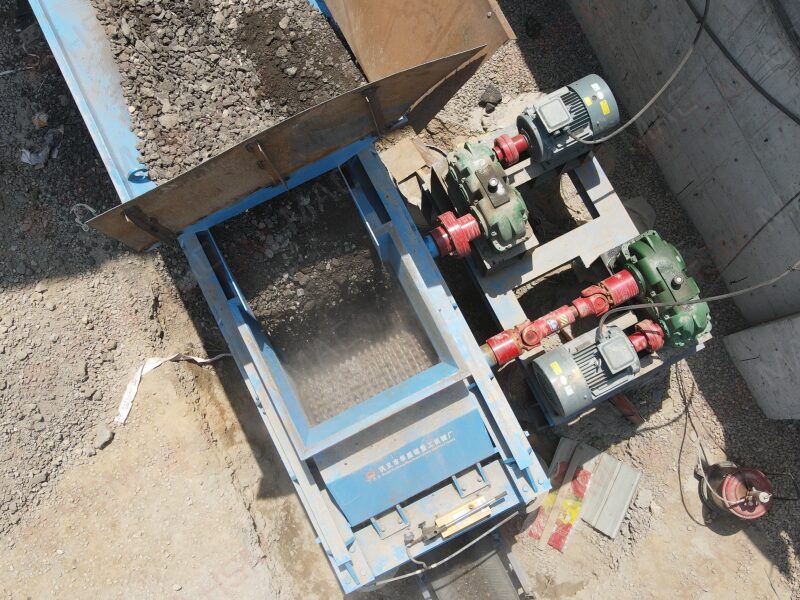
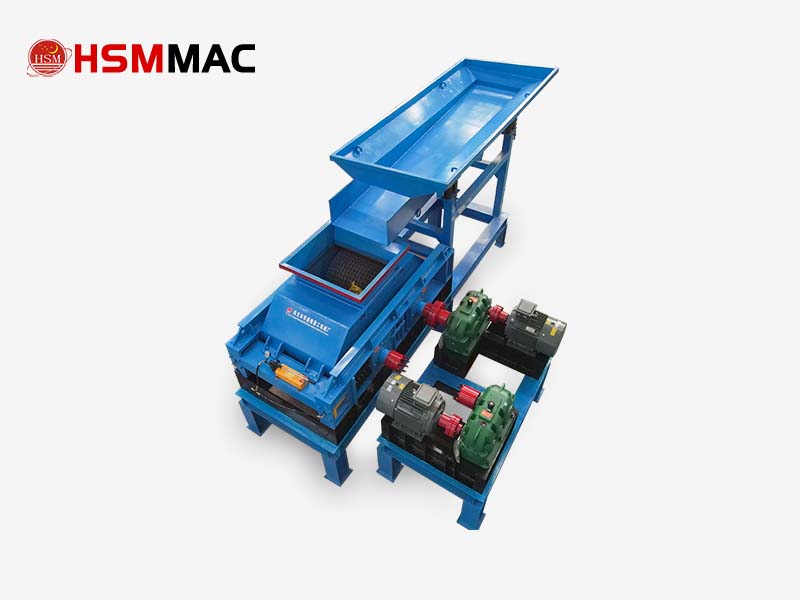
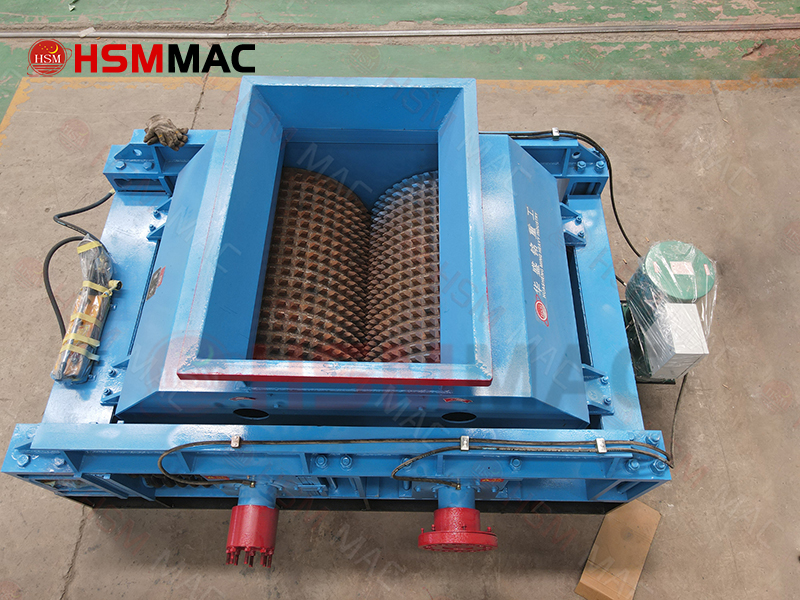
Roller Crusher
1. Core Purpose: Coarse vs. Fine Reduction
Crushers handle primary, coarse reduction: they use brute force to break large materials (boulders, concrete, metal scraps) into manageable chunks. Grinders focus on fine/ultra-fine reduction, refining small materials (or crusher output) into uniform powder, granules or paste with precision—e.g., grinding coffee beans or wheat.
Crushers prioritize raw power to tackle oversized hard materials, with coarse output like gravel.
Grinders prioritize precision over power, ensuring consistent small particle sizes for refined products.
2. Working Mechanism: Force vs. Abrasion
Crushers rely on impact, compression or jaw pressure—common types include jaw (squeezing), cone (compressing) and impact (shattering via hammers) crushers, breaking materials with intense force. Grinders use abrasion, shearing or cutting via moving parts (blades, burrs, wheels), with types like burr (coffee/spices), angle (metal/stone) and ball mills (industrial powder), focusing on precision refinement.
No detailed grinding is involved in crushers, while grinders refine to specific particle sizes.
3. Input & Output
Crushers take large inputs (boulders, concrete slabs) and produce coarse fragments (≥1cm). Grinders accept small inputs (coffee beans, crusher output) and yield fine products (down to a few microns), like flour or metal dust.
4. Common Applications
Crushers are used in mining (breaking ore), construction (recycling concrete/rocks) and waste management (reducing scraps). Grinders apply to food (grinding ingredients), manufacturing (smoothing parts), workshops (sharpening tools) and pharmaceuticals (grinding herbs/chemicals).
Final Note
When reducing material size, ask: Do I need to break big items (crusher) or grind small ones (grinder)? If helpful, share this guide and follow our account for more practical English tool guides.
 +86-13838144666
 +86-13838144666