If you work in mining, construction, or aggregate processing, you’ve probably heard of the double roller crusher—a go-to machine for crushing hard materials like coal, ore, and limestone. But how exactly does it turn large chunks into smaller, usable particles? Let’s break down its working principle in 3 easy steps.
1. Material Feeding: The First Step
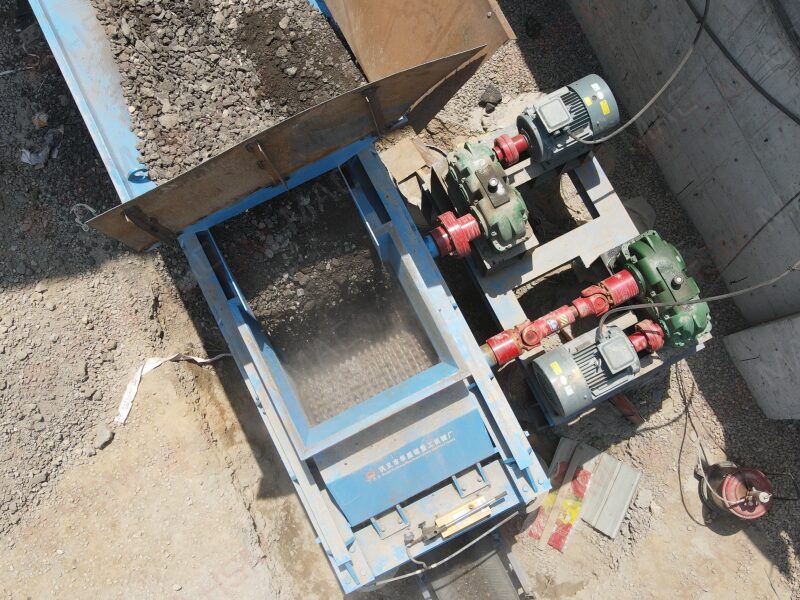
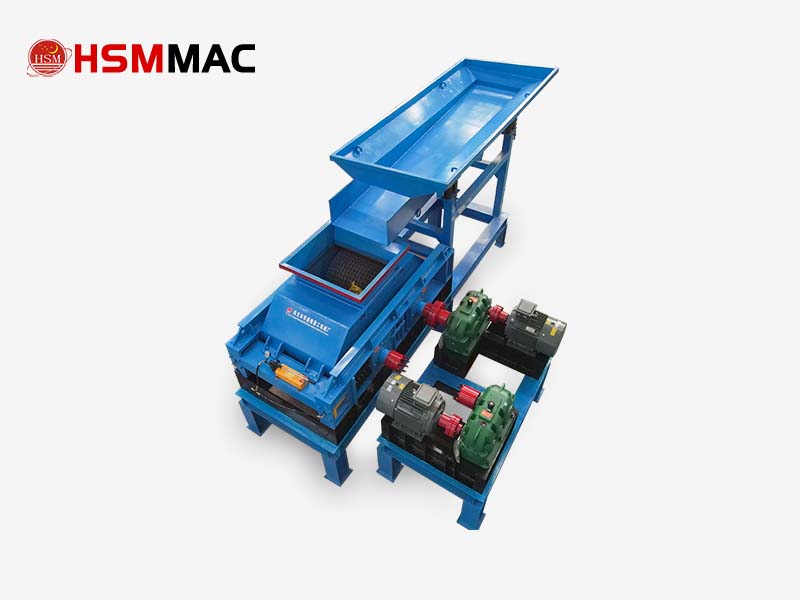
The process starts with feeding raw materials into the crusher’s hopper (a large funnel-like structure). The hopper guides the material evenly between two parallel, rotating rollers—these are the “heart” of the machine. To avoid jams, most crushers have a feeder that controls the material flow, ensuring the rollers never get overloaded.
2. Crushing: Pressure Does the Work
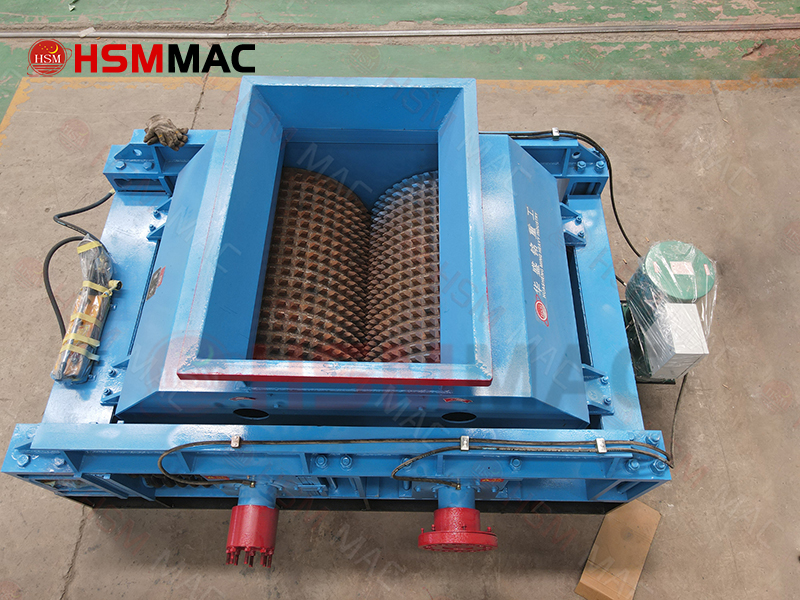
Here’s the core part: The two rollers spin toward each other (one driven by a motor, the other following via friction). As the material falls between them, the rollers apply intense compressive pressure. This pressure squeezes and grinds the material until it breaks into smaller pieces.
The size of the final product? It’s controlled by the gap between the rollers. Adjust the gap (wider for larger particles, narrower for finer ones), and you get exactly what your project needs—no extra processing required.
3. Discharge: Collect the Crushed Material
Once the material is crushed to the desired size, it falls through the roller gap and into a discharge chute. From there, it’s sent to a conveyor belt or storage bin for further use (like making concrete or road base). The whole process is continuous—feed in material, and get crushed output nonstop.
 +86-13838144666
 +86-13838144666