Sand Raw Materials: More Than You Think!
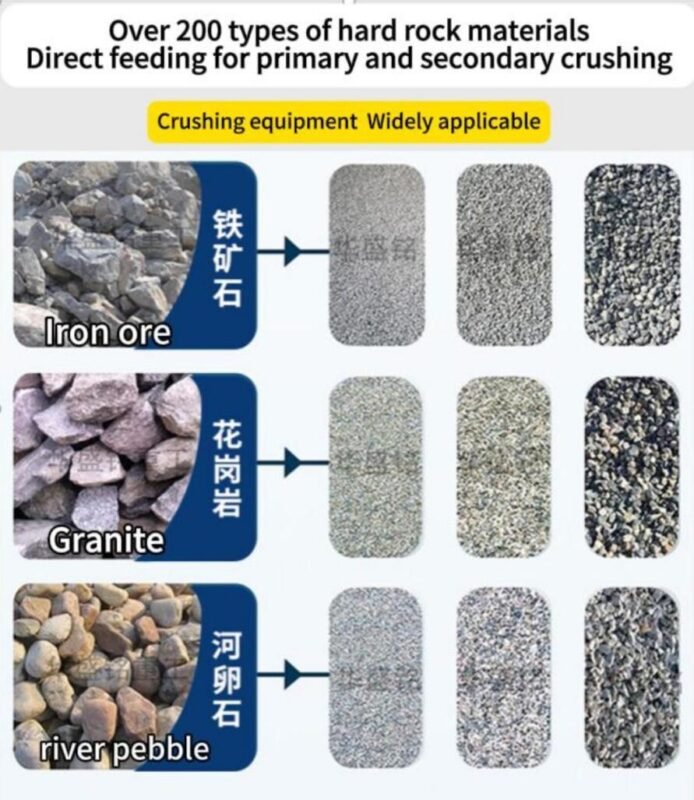
Sand Raw Materials
Most people associate sand with beach/river grains, but construction, road, and glass sand comes from diverse sources—far beyond natural quartz sand. Here’s the key breakdown:
1. Natural Sand: Nature’s Gift
Formed by long-term natural processes, it has three main types:
- Quartz Sand: Most common (70% of natural sand use), from quartzite/granite. Hard, wear-resistant (SiO₂-based), ideal for construction/concrete.
- Feldspar Sand: From feldspar rocks (e.g., orthoclase). Less hard than quartz, red/pink, used in ceramics/glass auxiliaries—more affordable.
- Limestone Sand: From limestone/dolomite (CaCO₃). Soft, grayish-white, low-cost, for mortar/road bases.
Over-mining harms ecosystems; China strictly restricts natural sand extraction.
2. Manufactured Sand: Natural Sand’s Main Replacement
Mechanically crushed rock/ore, now mainstream (60% of China’s construction sand):
- Granite: “Golden raw material”—hard, angular, high compressive strength for high-rises/bridges.
- Limestone: Economical, abundant—40% of China’s manufactured sand, for ordinary construction/mortar.
- Basalt: Volcanic rock, wear-resistant—for expressways/airport runways.
- Slag Sand: Recycled steel mill blast furnace slag—green, enhances concrete density/corrosion resistance (marine/underground projects).
Controllable particle size, no ecological damage.
3. Special-Purpose Sand
Niche but critical:
- Glass Sand: High-purity quartz sand (SiO₂ ≥99.5%), impurity-free—core for glass production.
- Foundry Sand: Zircon/chromite/high-purity quartz sand—heat-stable for metal casting (precision parts).
- Beauty/Filter Sand: Round, impurity-free quartz/feldspar sand—for scrubs/water filtration.
4. Key Selection Factors
- Hardness: High (granite/quartzite) for engineering; medium (limestone) for general use.
- Purity: Ultra-high (≤0.5% impurities) for glass/casting; moderate (≤3%) for construction.
- Eco-friendliness: Prioritize recycled/low-pollution materials (e.g., slag sand).
Sand raw materials are surprisingly diverse—supporting cities, industry, and daily life. Next time you see sand, wonder: What’s its source?
Learned something? Like, share, and comment on which material’s raw materials you want next!
 +86-13838144666
 +86-13838144666